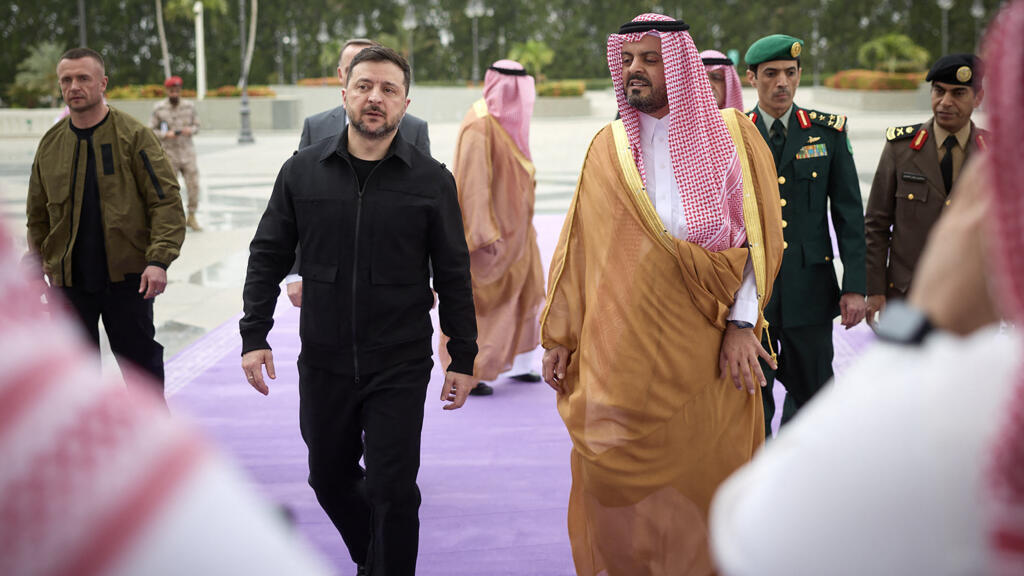
Ukrainian President Announces Historic Defence Agreements with Middle Eastern Nations
Ukrainian President Volodymyr Zelensky recently concluded a significant visit to the Middle East, where he has announced what he describes as "historic" defence agreements with several countries in the region. This diplomatic push comes at a time when Ukraine is looking to enhance its military capabilities, particularly in drone technology, amidst ongoing conflicts and threats in the region.
During his visit, Zelensky aimed to leverage Ukraine's expertise in drone warfare, a skill that has gained prominence due to the ongoing conflict with Russia. The president recognized that countries like the United Arab Emirates (UAE) and Saudi Arabia are facing increasing threats from Iranian drones and missiles. This situation presents a unique opportunity for Ukraine to position itself as a key ally in the realm of aerial defense.
In his discussions, Zelensky emphasized the necessity for any defence agreements to be mutually beneficial. Ukraine is currently in dire need of advanced air defence systems to bolster its own military infrastructure, which has been significantly tested during the ongoing war with Russia. This demand for expensive air defence missiles aligns with the objectives of UAE and Saudi Arabia, both of which are actively seeking advanced military technology to counter security threats posed by regional adversaries.
The meetings included discussions around potential arms sales, military cooperation, and joint training exercises, highlighting the strategic interests of both parties involved. The president's visit included high-level talks with representatives from these Gulf nations, aiming to establish comprehensive agreements that would enhance Ukraine's defense capabilities while simultaneously addressing the security needs of its Middle Eastern partners.
These developments come amid a backdrop of shifting geopolitical alliances, where traditional power dynamics are evolving. Both Ukraine and the Middle Eastern nations are navigating complex security landscapes, with external influences impacting regional stability. Zelensky’s proactive approach aims to seize this moment to forge alliances that could provide significant military and economic advantages for Ukraine.
Zelensky's focus on drone technology and air defense systems resonates strongly with countries in the region, as drone warfare has become a prominent aspect of modern conflicts. By showcasing the advancements made by the Ukrainian military in this arena, Zelensky seeks to attract foreign partnerships that could yield financial and technical support, critical for sustaining Ukraine's defense efforts against ongoing aggression.
The partnerships being developed during Zelensky's visit could lead to increased military cooperation and joint defense strategies, allowing Ukraine to serve as a formidable ally against shared threats. The agreements highlight a tactical shift as nations look to strengthen their defense capabilities in response to evolving threats from regional actors. Moreover, they reflect an understanding that collaborative efforts could amplify each nation’s security postures in an increasingly volatile environment.
As the situation develops, the implications of these agreements could have far-reaching effects not only for Ukraine’s defense landscape but also for the broader Middle Eastern security dynamics. The foreign policy strategies employed by Zelensky are indicative of a larger trend toward global military collaborations that seek to enhance national security through innovative defense technologies.
In conclusion, the outcomes of President Zelensky's visit and the establishment of these defense agreements underscore the importance of international cooperation in addressing contemporary security challenges. By aligning Ukraine's military advancements with the regional needs of Middle Eastern nations, a new frontier in defence collaboration may be on the horizon.