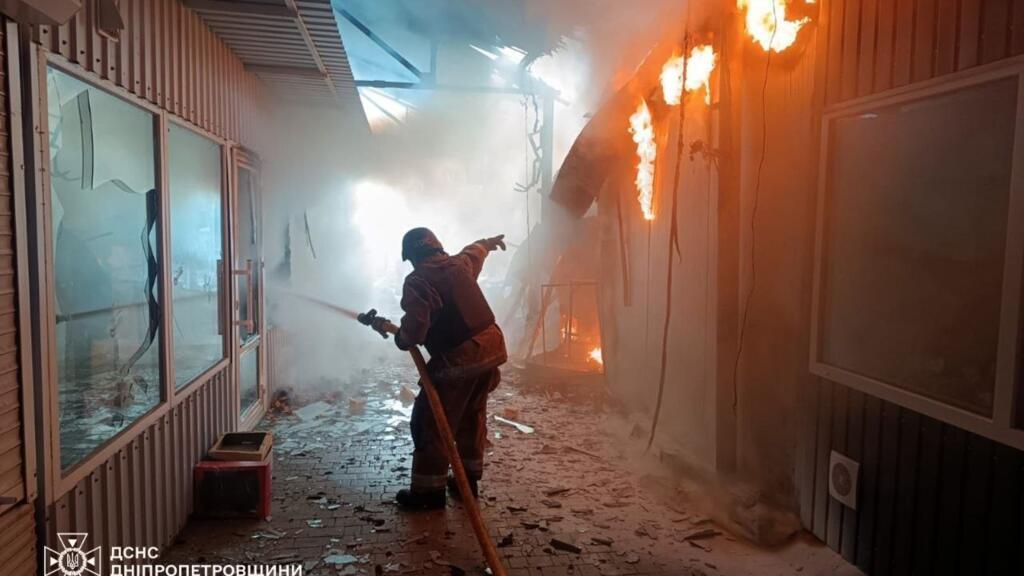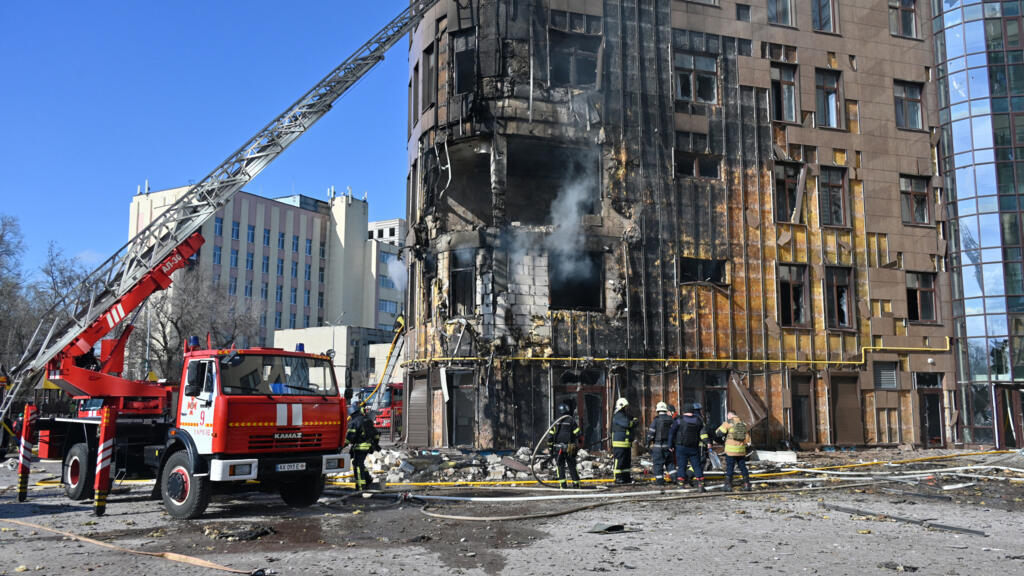
On Friday, Ukrainian military officials reported that Russia has intensified its aerial assaults across Ukraine, commencing with overnight drone barrages, which were followed by daytime missile and drone attacks. This escalation in military activity marks a significant shift in Russia's operational tactics, showcasing an increasing reliance on daytime strikes as the conflict continues to evolve.
Over the past weeks, there has been a noticeable increase in the frequency and intensity of aerial attacks carried out by Russian forces, particularly during daylight hours. This tactical change aims to exploit perceived vulnerabilities in Ukraine's air defense systems. The Russian military's strategic focus appears to be on overwhelming these defenses to enhance their operational effectiveness.
The drone barrages that initiated the recent wave of attacks involved multiple unmanned aerial vehicles targeting key infrastructures across various regions in Ukraine. Following these nighttime strikes, Ukraine faced a series of daytime missile launches that were designed to further disrupt military operations and civilian life. Ukrainian officials have underscored the need for heightened vigilance among both military personnel and civilians in light of the increased aerial threat.
As Russia attempts to penetrate Ukraine’s air defenses more effectively, the situation has led to a renewed call for international support from Ukraine. Military analysts believe that the surge in aerial attacks suggests a strategic pivot by Russia, possibly in response to the adaptive measures taken by Ukrainian defense forces over recent months. The conflict, which began in early 2022, has seen Ukraine invest heavily in bolstering its air defense capabilities, making it increasingly challenging for Russian forces to achieve their objectives without incurring significant losses.
Reports indicate that the overall operational tempo of Russian air strikes has increased, leading to concerns about the potential for greater civilian casualties and destruction of critical infrastructure. Ukrainian President Volodymyr Zelensky has reiterated the importance of international assistance in air defense systems, emphasizing that such support is crucial for safeguarding the skies over Ukraine.
Moreover, civilian areas have become targets of these aerial attacks, raising urgent humanitarian concerns. The Ukrainian government has been forced to respond to the immediate needs of displaced populations and to coordinate emergency services to deal with the aftermath of such strikes. This humanitarian dimension has been a significant aspect of Ukraine’s ongoing struggle, as communities strive to maintain resilience amid the chaos of war.
As Russian forces continue to refine their tactics, the conflict shows no signs of abating. With each passing day, both military confrontations and the toll on civilian life increase, demonstrating the protracted nature of the conflicts. Prognosticators suggest that unless a diplomatic resolution is reached, the intensity of air strikes by Russian forces may continue to rise, potentially leading to further escalation of hostilities.
In summary, the recent uptick in Russian aerial attacks on Ukraine highlights a critical phase in the ongoing conflict, with implications for both military strategy and humanitarian conditions. The evolving nature of these attacks necessitates a robust response from Ukraine and continued international support to safeguard not just the military effort but also the well-being of the Ukrainian populace.