The Artemis II mission is highlighting the significant challenges that even a short 10-day journey in deep space presents to the human body. This mission, marking a return to deep space for the first time in 50 years, provides an unprecedented opportunity to observe how astronauts are affected by factors like radiation exposure, microgravity, and confined living conditions.
Dr. Farhan Asrar, a physician and space medicine researcher from Toronto Metropolitan University, emphasizes that the combination of these elements can place considerable strain on the human body. "There are still many effects of deep space on the body that we don’t fully understand," Asrar noted. One primary concern is the higher levels and differing types of radiation encountered in deep space compared to low Earth orbit or the International Space Station.
Asrar pointed out that cosmic radiation can have different effects on cells, organs, and DNA, potentially causing more damage than radiation experienced closer to Earth. The Artemis II mission, despite its short duration, is expected to provide critical data for scientists. "Even short exposures can help us understand how the cardiovascular system, immune system, and even cognitive function might be impacted on longer missions," he explained.
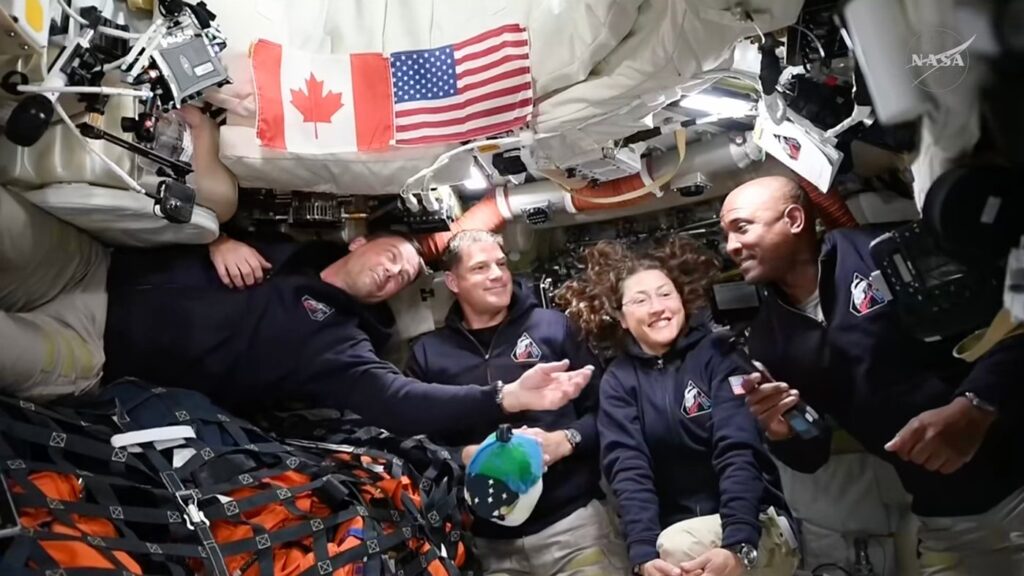
The mission's 10-day journey involves circling the moon and features a crew that includes Canadian astronaut Jeremy Hansen, along with American astronauts Reid Wiseman, Christina Koch, and Victor Glover. Each stage of the mission impacts the astronauts' bodies, with the most common side effect being motion sickness. Extensive training is essential for the crew to manage these challenges, especially since many are also trained as pilots. "This training factors into how they handle symptoms and adapt to the conditions," Asrar added.
This mission is particularly significant as it marks the first time a woman, Christina Koch, has traveled into deep space. Asrar highlights the importance of understanding how different bodies respond to the unique conditions of deep space, stating, "We’ve never had a woman in deep space before, so this mission provides essential data for future exploration." He believes that understanding these physiological differences not only aids in observation but also informs how astronauts care for their bodies during missions.
To combat the physical effects of microgravity, astronauts must engage in specialized exercise routines—about 30 minutes a day for the Artemis II crew, compared to the two hours recommended for those on the International Space Station. Asrar warns that without regular activity, even short missions can lead to significant muscle and bone loss, with astronauts losing up to 1 to 1.5 percent of bone mass for each month spent in space.
During a live Q&A session, Hansen noted a noticeable effect of microgravity on his body, stating, "I’m sure my face is a lot puffier now because there's a lot more blood up in my upper regions." Asrar explained this puffiness is due to fluid shifts that occur in the absence of gravity, causing increased pressure in the upper body, which can affect vision, kidney function, and the immune system.
Besides the physical challenges, deep space missions introduce significant mental and logistical hurdles. Astronauts must manage limited food, water, and medical supplies while living in tight quarters with minimal privacy. Team dynamics play a critical role throughout their time together, as they are side by side for 24 hours a day. Asrar noted the importance of having compatible crew members, as there are no real barriers between them except for the toilet.
After returning to Earth, the crew will undergo rehabilitation to rebuild muscle strength, restore bone density, and readjust to gravity. Asrar stressed that tracking this recovery process is just as vital as studying the mission itself, as it offers critical insights for designing countermeasures for longer missions. He emphasized that even a short flight can yield valuable data on fluid shifts, cardiovascular changes, and organ function, all of which are essential for preparing humans for future missions to Mars and beyond.
The Artemis II capsule and its crew are scheduled to splash down in the Pacific Ocean off San Diego on April 10, 2026. Asrar also highlighted that re-entry poses additional strains on the body due to the forces experienced, necessitating time for astronauts to readjust to gravity.