A Norway international and potential participant in the upcoming World Cup, Morten Thorsby, is leading a call among current and former soccer players for FIFA to enhance its heat protocols for the tournament. Thorsby is anticipated to be part of Norway's squad, marking his country's first appearance at a men's World Cup since 1998. In a notable initiative, Thorsby founded "We Play Green" in 2020, a movement that encourages soccer players to advocate for environmental and climate issues.
Thorsby, alongside a group of athletes who have signed an open letter addressed to FIFA, emphasizes the necessity for robust medical practices during the World Cup, scheduled to be held from June 11, 2026, across the United States, Canada, and Mexico. The letter, also signed by numerous other players—most of whom will not attend the World Cup—highlights the need for FIFA to adopt the latest medical recommendations regarding heat exposure.
In the letter, Thorsby and his peers express solidarity with health professionals who have raised concerns over players potentially facing "worrying levels of heat stress" during the tournament. The letter states, "We share the concerns outlined by the medical professionals and support their demand that FIFA updates its heat-stress framework before the World Cup."
Health experts, in a separate communication to FIFA, articulated their anxieties about the existing guidelines on heat stress mitigation, deeming them inadequate and potentially hazardous for players. Their recommendations include introducing 6-minute cooling breaks during matches and ensuring locker rooms are equipped for effective pre-game and halftime cooling.
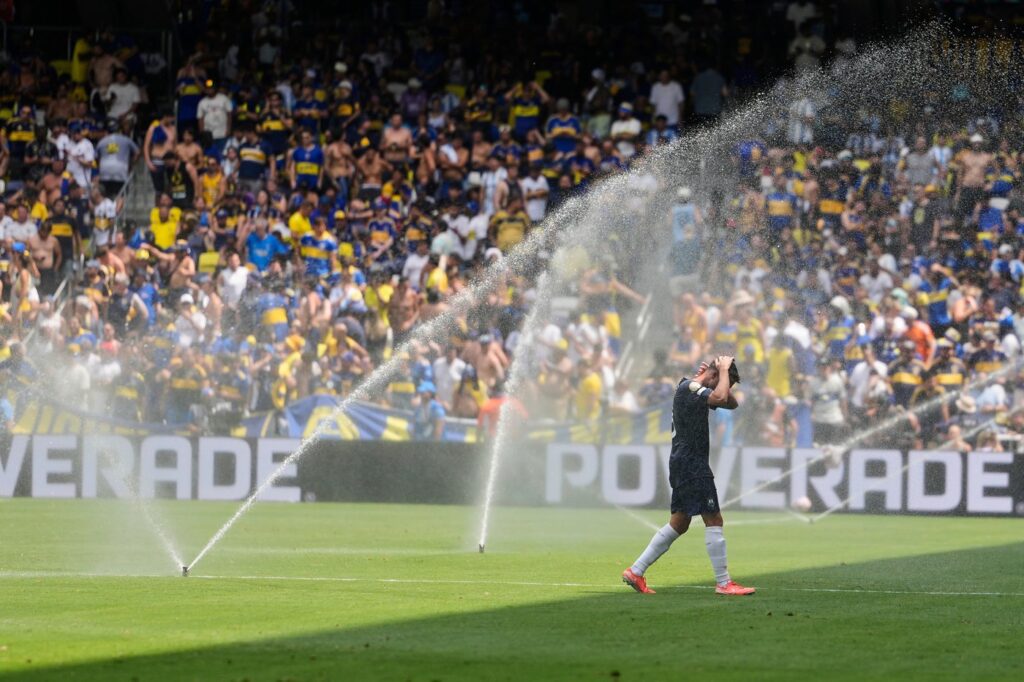
Research has indicated that 14 of the 16 cities hosting World Cup matches are expected to experience "extreme heat," posing risks to players, officials, and spectators. Studies suggest that afternoon wet bulb globe temperatures, which take into account factors like humidity and wind speed, could soar above 90°F (32°C) in Monterrey, Mexico, while Miami is flagged for its notably high humidity levels.
In response to these concerns, FIFA established a Heat Illness Mitigation and Management Task Force, comprising medical and operational experts. The organization has already implemented several heat protocols, including mandatory 3-minute hydration breaks during each half of the match and providing climate-controlled benches for staff and substitutes at outdoor events. FIFA has also stated that climatic conditions have been carefully considered in the match scheduling.
These developments highlight an increasing awareness of player welfare in extreme weather conditions and the ongoing dialogue regarding health and safety in sports, particularly in high-stakes international tournaments like the World Cup.
AP World Cup coverage: https://apnews.com/hub/fifa-world-cup