Confusion Among European Foreign Ministers Over US Troop Deployment in Poland
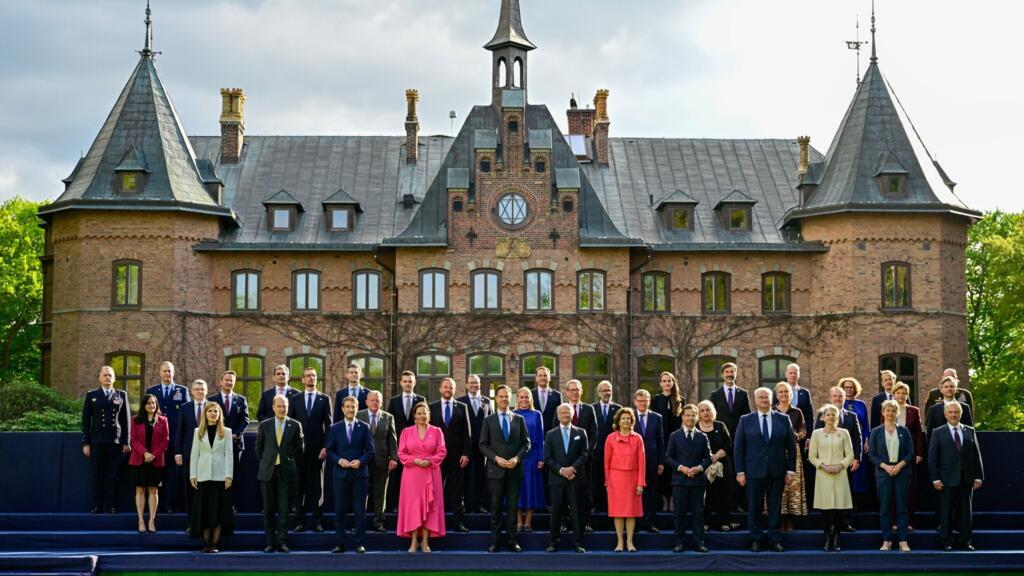
At a NATO summit held in Sweden on Friday, European foreign ministers engaged in intense discussions as they sought clarity from US Secretary of State Marco Rubio concerning President Donald Trump's recent decision to deploy 5,000 US troops to Poland. This announcement comes shortly after President Trump had ordered the withdrawal of an equal number, 5,000 troops, from Europe. The juxtaposition of these two military maneuvers has left many European leaders bewildered, prompting urgent dialogues aimed at understanding the strategic motivations behind the US's shifting troop presence.
Sweden's Foreign Minister expressed the collective sentiment of confusion among the ministers, stating that the recent changes in troop deployment were "confusing" and "not always easy to navigate." This sentiment reflects a broader concern among European nations regarding the stability and consistency of US military commitments in Europe. Given the historical context of NATO's collective defense strategy, the rapid changes in troop levels raise questions about the US's long-term strategic objectives in the region, especially in light of increasing geopolitical tensions.
The decision to send troops to Poland can be interpreted as a response to heightened security concerns in Eastern Europe, particularly regarding Russian military activities. Some European leaders worry that such troop deployments and withdrawals might unintentionally escalate tensions with Russia or signal ambiguity in NATO's collective defense posture. As the situation evolves, the need for clarity in US intentions and strategy has become imperative for European allies who rely heavily on American support and leadership within the NATO framework.
In the discussions that followed, various foreign ministers voiced their concerns about the implications of the troop movements. The potential impact on NATO’s operational readiness and unity was a central theme, with many emphasizing the necessity for transparent communication among member states. It is crucial for Europe and the US to maintain a clear and coordinated stance, especially when facing challenges posed by external threats.
The summit also highlighted the broader implications of US foreign policy shifts under the Trump administration. With a focus on "America First," some European diplomats fear that this paradigm could lead to a diminishing of the United States' traditional role as a stabilizing force in European security matters. The uncertain nature of US commitment has compelled European nations to reconsider their own defense strategies and foster greater cooperation among themselves to fill any potential security gaps.
As NATO continues to grapple with these complex issues, it will be essential for member countries to articulate a unified response to both the changes in US troop deployments and the broader geopolitical landscape. The discussions held at the summit may pave the way for more in-depth consultations on NATO’s strategic direction and operational effectiveness in the face of evolving threats.
The NATO summit in Sweden thus served not only as a platform for discussing immediate troop deployments but also underscored the need for a comprehensive evaluation of NATO's long-term strategies in relation to US foreign policy under President Trump. The outcomes of these discussions will be closely watched, as they have significant implications for the future of transatlantic relations and collective security in Europe.