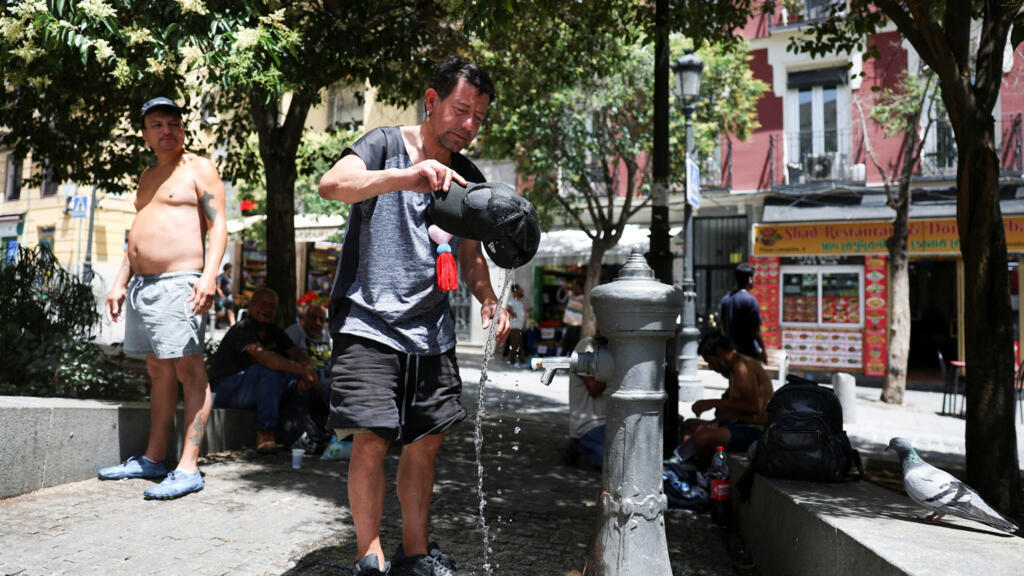
Spain has reported a staggering 1,028 excess deaths linked to an intense heatwave that swept across Europe last week. This alarming statistic represents more than double the heat-related fatalities recorded in the same period during the previous year. The heatwave has exacerbated the ongoing challenges posed by climate change, raising concerns about public health and safety in affected regions.
The unprecedented heatwave has impacted several parts of Europe, with Spain being one of the hardest-hit countries. The extreme temperatures not only had immediate effects on vulnerable populations but also highlighted the broader implications of climate extremes. Many of the deceased were elderly individuals and those with pre-existing health conditions, who are typically more susceptible to the dangers of high temperatures.
This year’s spike in heat-related deaths underscores the urgent need for enhanced measures to safeguard public health during extreme weather events. Medical professionals have been vocal about the importance of taking preventive measures, such as increased hydration, staying indoors during peak heat hours, and implementing cooling strategies to protect at-risk populations.
In addition to public health impacts, the heatwave has also caused significant strain on local infrastructures, particularly in regions unaccustomed to such extreme temperatures. Power grids faced increased demand as residents sought relief from the heat, leading to concerns over electricity shortages. The agricultural sector is also feeling the repercussions, with crop yields potentially jeopardized due to prolonged periods of intense heat and drought.
The reported excess deaths in Spain came at a time when European nations were already grappling with the consequences of climate change, making this heatwave a reminder of the urgency of addressing environmental issues. Experts predict that climate-related weather patterns will continue to intensify in the coming years, necessitating immediate action at both local and international levels.
As European countries continue to deal with the aftermath of this heatwave, there is growing recognition of the need for robust climate policies and community preparedness plans. Governments are urged to invest in public health initiatives and infrastructure improvements to better equip themselves for future extreme weather events.
In conclusion, the record number of excess deaths attributed to the recent heatwave serves as a stark warning about the imminent threats posed by climate change. With the potential for similar events in the future, a concerted effort from governments, health organizations, and communities is essential to mitigate risks and protect vulnerable populations.