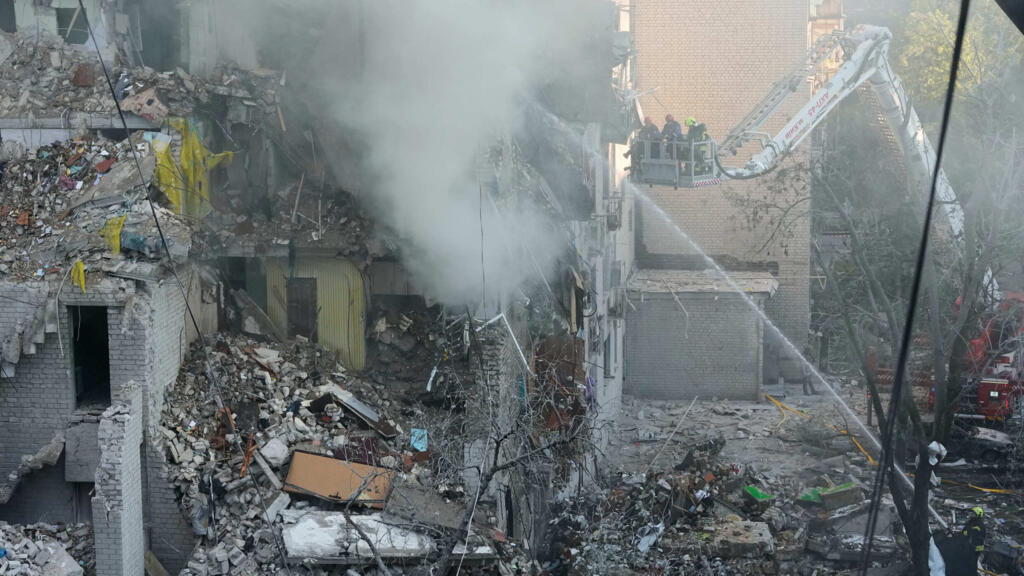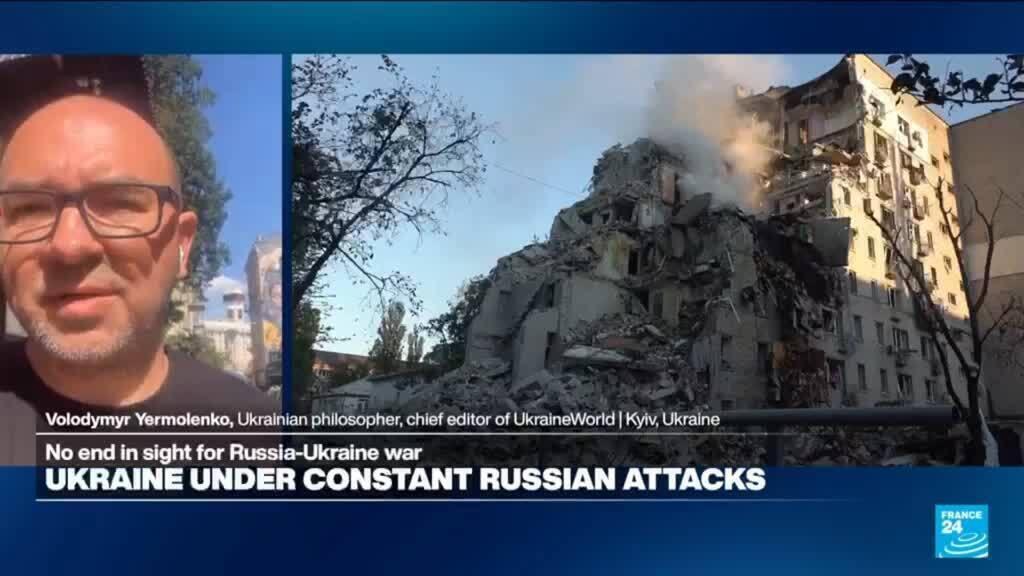
Nadia Massih recently welcomed Dr. Volodymyr Yermolenko, a prominent Ukrainian philosopher, journalist, author, and President of PEN Ukraine. In an insightful discussion, Dr. Yermolenko presented a comprehensive analysis of the ongoing war in Ukraine, emphasizing the significant implications it has for the future of Europe. Speaking shortly after a devastating missile attack on Kyiv, he provided a poignant juxtaposition between the immediate, intimate experiences of civilian vulnerability and a broader, strategic understanding of the conflict.
Dr. Yermolenko argued that the war in Ukraine is more than just a military confrontation; it represents a critical juncture for Europe's future. He highlighted that Russia's persistent attacks on residential areas are indicative of military frustration rather than an indication of operational momentum. This pattern of aggression suggests a lack of sustainable strategy on Russia’s part, as it resorts to targeting civilians in the hope of demoralizing the Ukrainian population.
According to Dr. Yermolenko, Ukraine possesses a unique advantage in the conflict, primarily through its capabilities in asymmetric warfare, technological innovation, and the mobilization of civil society. He posited that Ukraine's resilience and adaptive strategies in the face of adversity are crucial factors that can tilt the balance in its favor against a traditionally larger military force. The innovative spirit of the Ukrainian people, coupled with their determination to protect their sovereignty, has resulted in significant advancements in tactical approaches to warfare.
Moreover, Dr. Yermolenko stressed the importance of European support for Ukraine, framing it not merely as an act of solidarity but as a critical necessity for continental self-preservation. He asserted that the outcomes of this conflict will have far-reaching consequences for Europe, suggesting that a failure to support Ukraine could embolden aggressive actions from authoritarian regimes in the region. This perspective underscores the interconnectedness of security across European nations, highlighting that the defense of Ukraine is intrinsically linked to the stability and security of Europe as a whole.
The conversation with Dr. Yermolenko sheds light on the complexities of the current geopolitical landscape and emphasizes the urgent need for a cohesive response from European nations. His insights serve as a reminder of the fragile state of peace in Europe and the importance of solidarity amidst escalating tensions.