US President Donald Trump held significant discussions late Saturday with Russian President Vladimir Putin and Ukrainian President Volodymyr Zelensky regarding the ongoing conflict in Ukraine. This conversation comes just ahead of the anticipated NATO summit scheduled for July 7 and 8 in Ankara, Turkey. The situation on the ground remains tense, as negotiations aimed at resolving the conflict are currently at a standstill.
The discussions, which involved two of the key leaders influencing the trajectory of the Ukraine crisis, underscore the international dimension of the issue. Moscow is insistent on its demand for the withdrawal of Ukrainian forces from the Donetsk region, a point which remains a major sticking point in negotiations. Kyiv, representing the interests of Ukraine, firmly rejects this demand, asserting its sovereignty and territorial integrity.
As the conflict intensifies, the implications of the standoff extend beyond just the borders of Ukraine and Russia. The upcoming NATO summit in Ankara is set to address various security concerns among member nations against the backdrop of this ongoing crisis. Attending this summit will likely involve deliberations on collective defense strategies, especially regarding Russia's actions in Eastern Europe. The stakes are high as member countries consider their responses to Russia's aggressive posturing in the region.
Meanwhile, the geopolitical landscape is increasingly complex. NATO’s role remains crucial as it seeks to navigate the delicate balance between deterrence and diplomatic engagement. The alliance's direct involvement, or lack thereof, in the Ukraine crisis may influence its relations with Russia, with cascading effects on global stability. Each party involved in the discussions is acutely aware of the potential consequences of their decisions, particularly in a rapidly changing world order.
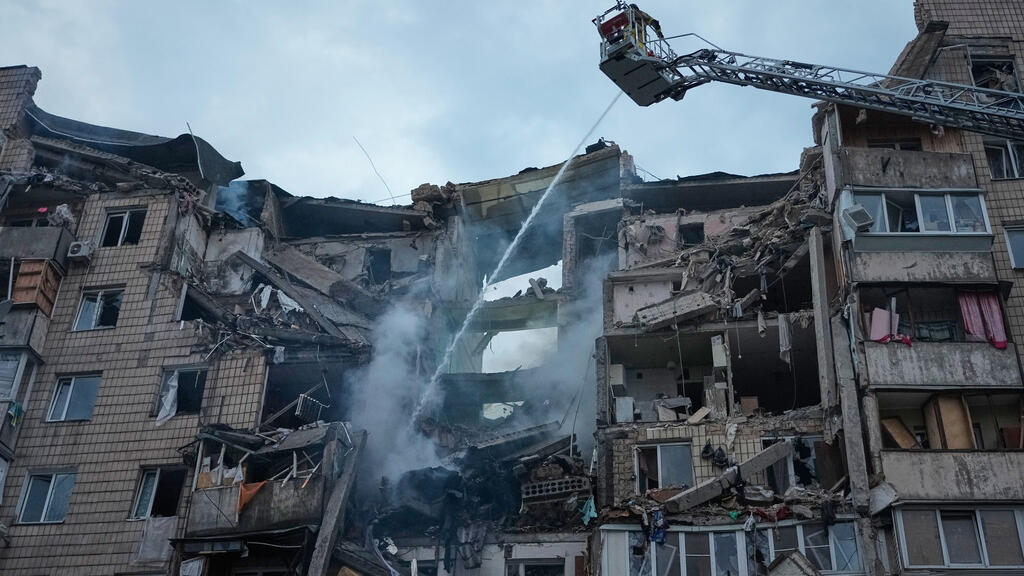
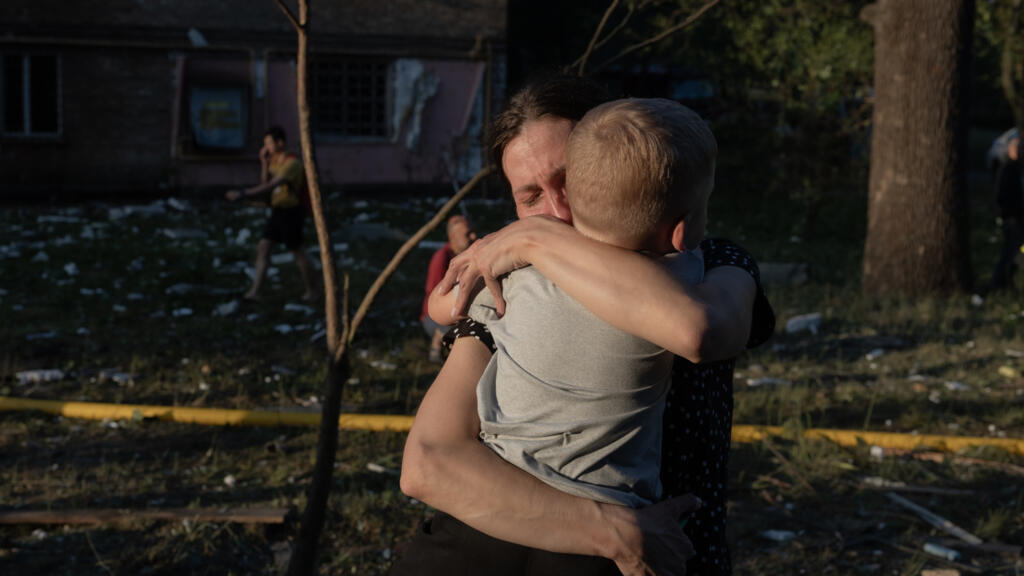
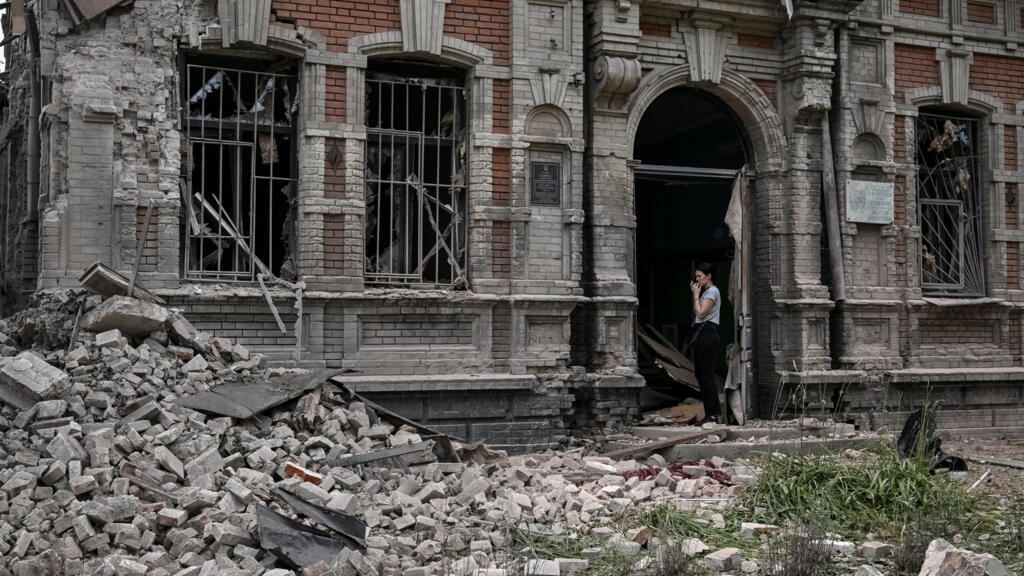
Reports suggest that tensions have escalated in the Donetsk region, where military activities have reportedly increased. Civilians in the area remain on edge as clashes between Ukrainian forces and separatist groups persist. The humanitarian situation continues to deteriorate, prompting calls from various international organizations for de-escalation and a return to dialogue.
The insistence by Russia for the withdrawal of Ukrainian forces is seen as a power play aimed at consolidating control over the contested territories. Conversely, Ukraine maintains that any withdrawal would signify a capitulation to external aggression, drastically undermining their fight for self-determination. This fundamental disagreement illustrates the broader conflict of interest that has marked relations between the two nations since the inception of the crisis.
Media coverage and updates regarding the situation depict the urgency and complexity of the discussions taking place. International observers remain vigilant, tracking the developments as leaders engage in diplomacy amid an atmosphere laden with skepticism. With both sides entrenched in their positions, the pathway to a peaceful resolution seems fraught with challenges.
As the NATO summit approaches, the eyes of the world will be on Ankara. The responses and resolutions that come out of this meeting will be pivotal in shaping the future of not only Ukraine but also the broader regional stability in Eastern Europe. The implications of the leadership dialogues led by Trump, Putin, and Zelensky will ripple through international relations, influencing diplomatic strategies and military postures globally.
In conclusion, the conflict in Ukraine continues to present a multifaceted challenge with significant implications for regional and global security. The forthcoming summit in Turkey may provide crucial insights into the evolving dynamics as key players deliberate on their next moves.