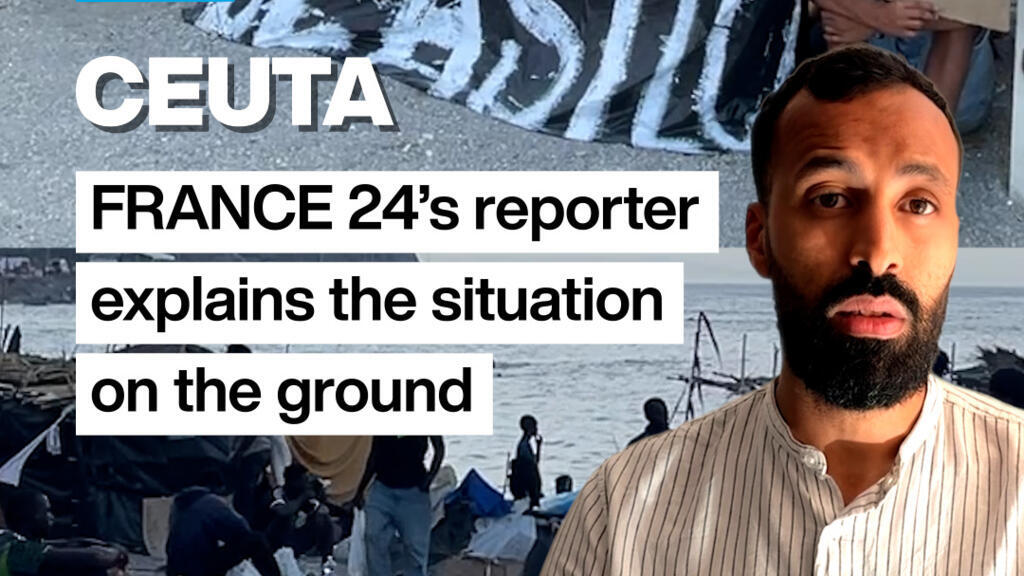
The situation for migrants who crossed into Ceuta, the Spanish enclave located at the boundary between Europe and Africa, remains precarious following their arrival at the end of July. The challenges these individuals face are compounded by the dangers of their arduous journey, which many undertook in search of a better life.
Reports indicate that a significant number of migrants, including unaccompanied minors, continue to reside in hazardous conditions. The lack of adequate shelter and resources has led to a concerning environment for those who have managed to cross into Ceuta. Many of these individuals now face daily struggles for basic necessities, such as food and medical care, raising alarms about their safety and mental health.
Families who have relatives attempting the crossing experience profound anxiety and uncertainty. Communication is sparse, and many are left without any updates regarding the fates of their loved ones. This feeling of helplessness is further exacerbated by the dangerous nature of the journey, which often involves treacherous waters and the risk of exploitation along the way.
As the situation in Ceuta continues to evolve, humanitarian organizations are voicing concerns over the treatment of these migrants, particularly minors who are particularly vulnerable in these circumstances. Calls for government intervention and increased support services are becoming louder, as local authorities and NGOs aim to address the dire conditions faced by those who have sought refuge.
In summary, the current plight of migrants in Ceuta highlights the ongoing humanitarian crisis at the borders of Europe. The journeys of many have led to uncertain outcomes, with urgent needs for adequate support and care for those arriving in search of safety. The lives of countless families remain in limbo as they await news, prayers inevitably mixed with fear for their loved ones on this perilous quest for a better future.