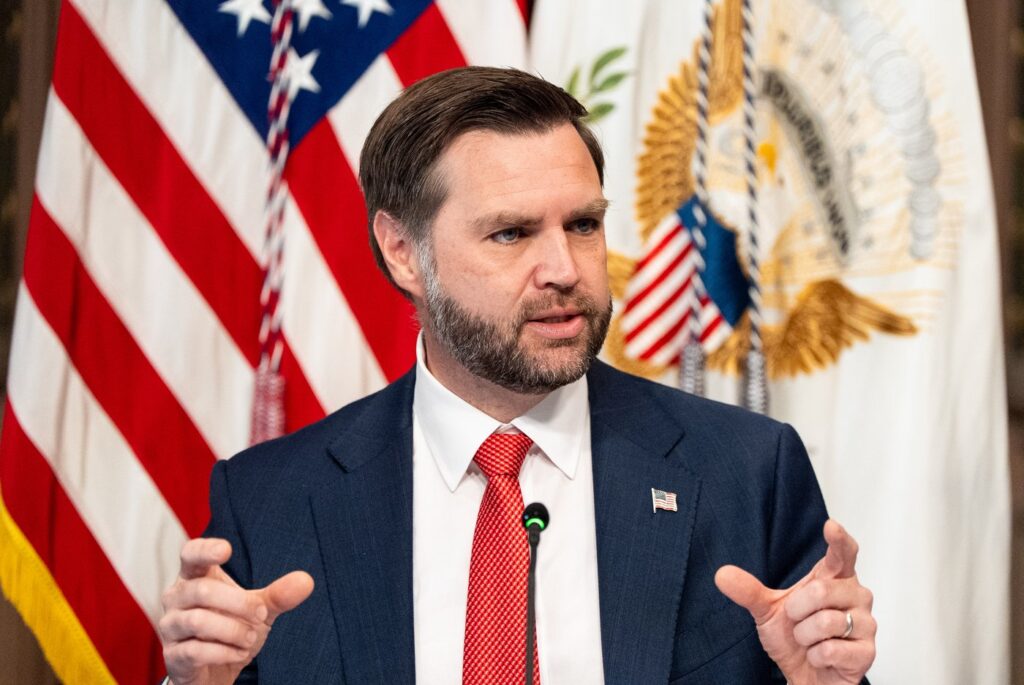
WASHINGTON – U.S. Vice-President JD Vance addressed the recent trade deal with Canada during a fundraising event on Wednesday. He criticized Prime Minister Mark Carney's approach, suggesting that Carney attempted to "out-tough" President Donald Trump. Vance expressed appreciation for Conservative MP Jamil Jivani, describing him as a valuable advocate for Canada.
Audio from the fundraiser in Southampton, New York, revealed Vance’s lighter side, calling Carney a "very sweet guy"with whom he shares a good rapport. However, he remarked that Carney’s assertive attitude in negotiations, claiming victory for Canada, was somewhat misplaced as the deal required concessions from Canada.
Vance emphasized that an important, albeit less publicized, component of the negotiations was Jivani's effective lobbying behind the scenes, stressing the significance of Jivani's relationship with U.S. leaders. He also criticized Pierre Poilievre, the leader of the Canadian Conservatives, labeling him a "non-entity" in the ongoing trade discussions.
The backdrop of these comments was a last-minute deal announced by Trump, aimed at delaying new tariffs on certain Canadian products for three days. The agreement, which followed phone discussions between Trump and Carney, is perceived as a strategic win for both nations and is expected to lower tariffs on Canadian steel, aluminum, and automobiles. In exchange, Carney aimed to ensure American alcoholic beverages were restocked in Canadian liquor stores.
The details of Canada’s concessions remain somewhat vague. Trump noted that the agreement might also eliminate tariffs on American farm products altogether. Meanwhile, Canada-U.S. Minister Dominic LeBlanc re-engaged in Washington for further trade negotiations with U.S. Trade Representative Jamieson Greer as the deadline approached.
During the fundraiser, Vance remarked that Trump would not compromise excessively to appease Canada but recognized a chance to secure wins for the U.S. He stated that the goal of the negotiations is to change Canada's behavior towards a more favorable stance for U.S. interests.
Relations between Canada and the U.S. have been strained since Trump’s return to office, with previous tensions underscoring a tumultuous relationship with former Prime Minister Justin Trudeau, which some believe contributed to Trudeau's resignation.
Vance disclosed that he had been actively involved in the trade discussions, more so than usual, due to his ties with Jivani, who has been quietly advocating in favor of Canada. According to Vance, Jivani has maneuvered effectively in the negotiations on mutual interests such as energy and automobile tariffs.
Jivani, who has a longstanding friendship with Vance from their days at Yale, has made several trips to Washington to discuss trade issues. During a meeting in April, he interacted with Canadian business leaders and U.S. officials, including Vance and Greer. His diplomatic efforts have raised eyebrows within the Canadian Conservative Party, particularly as Poilievre has cautioned against deals perceived to favor Trump without eliminating tariffs.
Despite some friction over Jivani's outreach to the Trump administration, he remains committed to contributing positively to trade discussions. Poilievre publicly emphasized the party's stance separate from Jivani's comments that downplayed Canadian reactions to Trump’s trade maneuvers.
The trade dynamics between Canada and the U.S. illustrate ongoing complexities as both nations try to balance national interests under a shifting global landscape. The implications of this latest deal and its negotiation process highlight the interplay of personal relationships and political strategies in securing favorable outcomes.