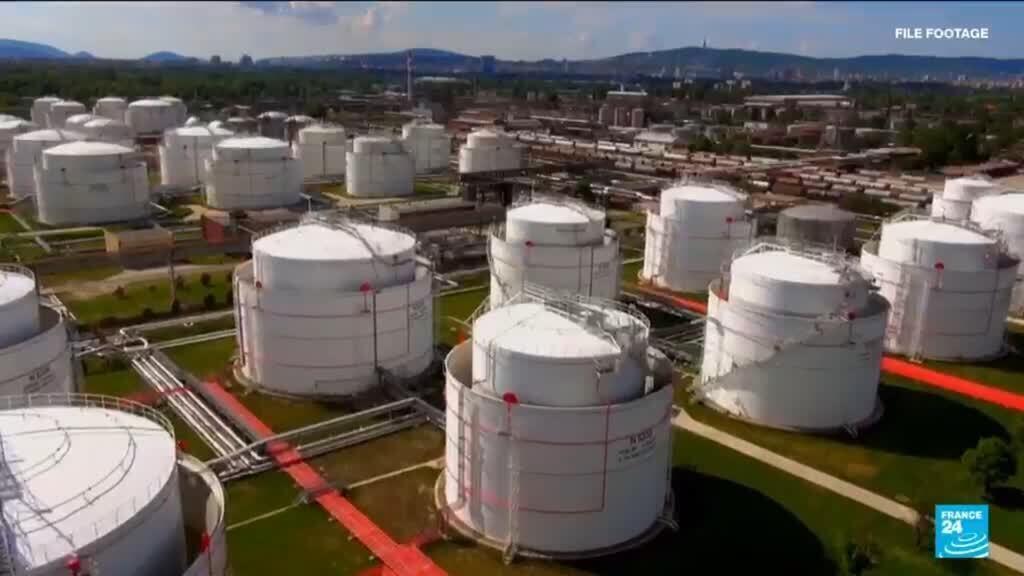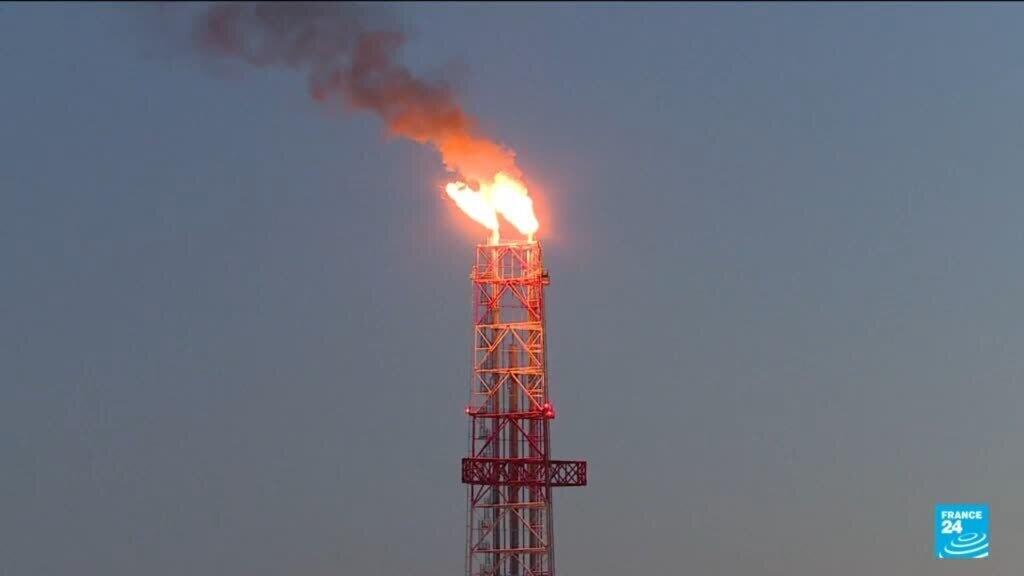
On Wednesday, European Union lawmakers and member states reached a significant agreement aimed at banning all imports of Russian gas by the end of 2027. This decision comes in the context of the EU's ongoing efforts to reduce its financial dependence on Russia, particularly in light of the country's military actions in Ukraine. The agreement marks a critical step for the bloc, which has historically struggled to sever ties with Russian energy supplies.
The accord represents a compromise negotiated between EU capitals and the European Parliament. The Parliament had been advocating for a faster timeline to implement the ban, reflecting a growing urgency among lawmakers to respond to the geopolitical challenges posed by the conflict in Ukraine. While the details of the accord indicate that the ban will be fully effective by 2027, the European Parliament's call for a quicker phase-out underscores the broader sentiment within the EU regarding the need to reduce reliance on Russian energy resources.
This legislative move is part of a broader strategy by the EU to impose economic sanctions on Russia, which has been a key source of funding for its military operations. By targeting the gas imports that have significantly contributed to Russia's financial stability, the EU hopes to exert pressure on the Kremlin and undermine its ability to sustain the ongoing conflict.
The decision comes amid a backdrop of escalating tensions and a pressing need for the EU to diversify its energy sources. In recent months, member states have been working diligently to find alternative suppliers and increase investments in renewable energy. The shift away from Russian gas is seen not only as a political necessity but also as an opportunity to accelerate the transition towards more sustainable energy practices within the EU.
As the timeline for the complete ban unfolds, member states will have to navigate a complex landscape of energy needs and economic implications. Countries that have traditionally relied heavily on Russian gas may face challenges in adjusting to new energy procurement strategies. However, the overarching consensus among EU members is that the long-term benefits of reducing dependence on Russian energy far outweigh the short-term hurdles.
The deal represents a unifying moment for the EU as it seeks to stand firm against aggression and assert its commitment to collective security. Lawmakers, while acknowledging the difficulties ahead, are hopeful that the agreed-upon timeline will provide enough space for member states to adapt and for the bloc to effectively shift its energy paradigm.
As the EU moves forward with this initiative, it will likely focus on strengthening its internal energy market and collaborating with global partners to ensure energy security. The commitment to end imports of Russian gas is a powerful statement of the EU's resolve in the face of external challenges and its determination to pursue an independent energy future.