EU Plans Full Phase-Out of Russian Gas by 2027
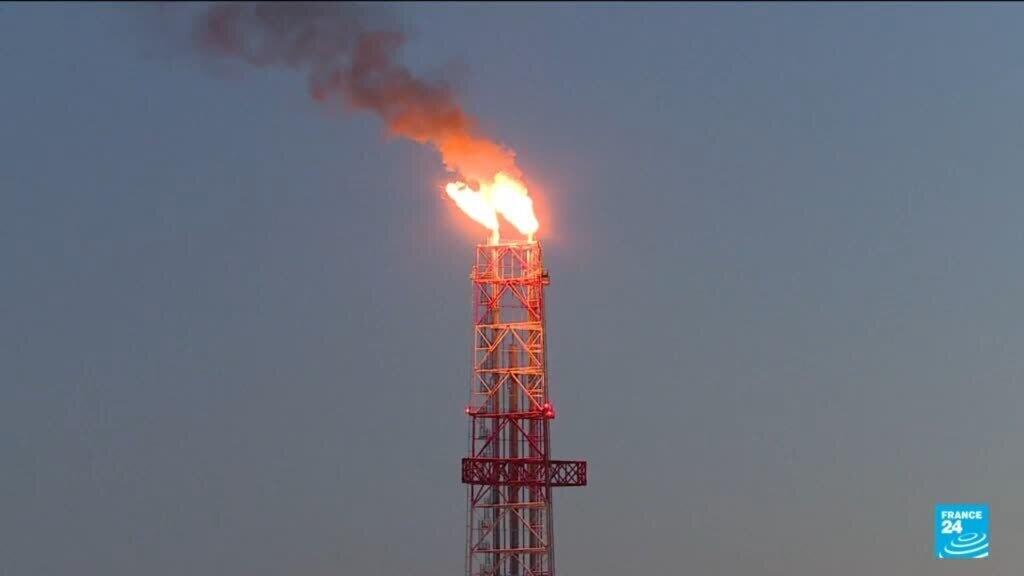
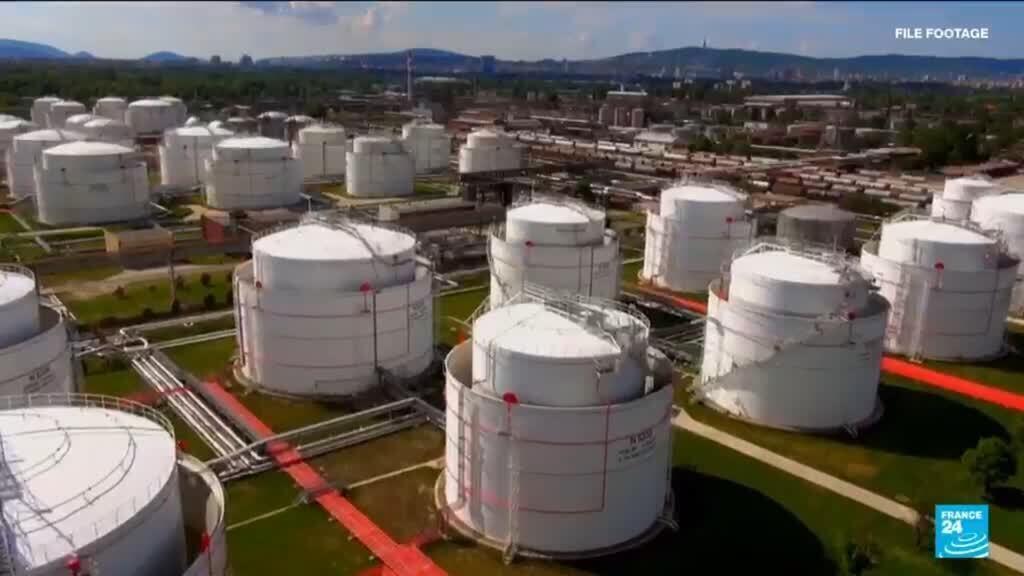
The European Union (EU) has reached a significant consensus to completely phase out Russian gas supplies by September 2027. This ambitious initiative also includes a ban on liquefied natural gas (LNG) imports by the end of 2025, alongside efforts to cut Russian oil supplies, further solidifying its strategy for achieving energy independence from Moscow. This decision comes in the wake of increasing geopolitical tensions and a growing need for European nations to secure alternative energy sources.
This phased approach aims not only to diminish reliance on Russian energy but also to accelerate the development of renewable energy sources within the EU. The agreement has been widely hailed as a bold step forward, marking a significant pivot for Europe as it seeks to reduce vulnerabilities exposed by the ongoing conflict involving Russia.
However, the plan has faced pushback from some member states. Hungary and Slovakia have expressed serious concerns regarding the impending energy transition. Both countries are reported to be preparing legal challenges against the ban, arguing that such measures could destabilize their energy security and economic stability, especially given their higher dependency on Russian energy sources compared to other EU countries. These nations contend that the abrupt loss of Russian gas could lead to economic difficulties, price surges, and potential energy shortages in the short term.
In response to these developments, Russia has warned that the EU's decision will result in higher costs for energy and diminished competitiveness for European industries. The Russian government has suggested that the shift away from its energy supplies could disrupt established trade relationships and have adverse effects on the European market. This stance indicates a broader concern from Moscow about the implications of losing one of its largest energy consumers.
The EU’s plan represents not only a political maneuver but also an urgent response to shifting energy dynamics and the need to meet climate goals. By investing in alternative energy solutions and infrastructure, the EU hopes to mitigate the risks associated with over-reliance on single sources of energy, particularly from geopolitically sensitive regions. This initiative is expected to involve substantial investments in renewable energy projects, enhancing energy efficiency, and promoting cross-border energy cooperation.
Moreover, the overarching goal of this plan aligns with the EU's commitment to achieving carbon neutrality by 2050, which necessitates a significant reduction in fossil fuel consumption. By reducing dependency on Russian gas and oil, the EU aims to set a precedent for energy autonomy, potentially influencing global energy markets in the long run.
As the situation unfolds, the EU's ambitious targets will be closely monitored, particularly in how they affect member states reliant on Russian energy. The legal challenges posed by Hungary and Slovakia will likely test the unity of the EU in implementing this transformative energy policy. The outcome could further shape the trajectory of European energy policy in the coming years as the bloc navigates the delicate balance between energy security, economic stability, and climate objectives.