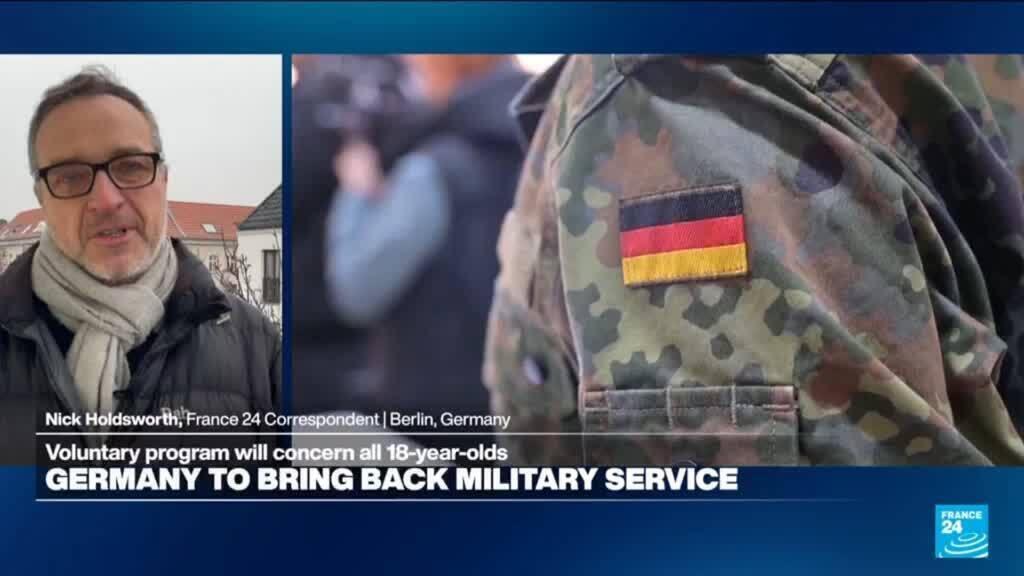
Germany Approves Military Recruitment Plan
On Friday, German lawmakers approved the government's new initiative aimed at enhancing military recruitment amidst growing concerns about the security threat posed by Russia. This decision comes at a critical time when Germany seeks to bolster its armed forces in response to geopolitical tensions in Europe.
The plan includes various measures designed to make military service more appealing to potential recruits. One of the key components is the introduction of mandatory medical checks for young men, which is expected to ensure that recruits meet the physical and health standards required for military service. This measure aims to streamline the recruitment process and ensure that the armed forces can maintain a state of readiness in a rapidly changing security landscape.
Lawmakers emphasized the need for a robust military presence as the international security environment continues to evolve, especially with the ongoing situation in Ukraine and the aggressive posturing of Russian forces. This initiative reflects a broader trend in European defense policy, where countries are increasingly focused on enhancing their military capabilities in light of potential threats from Russia and other state and non-state actors.
The government’s plan also encompasses initiatives to improve the overall working environment within the military, which includes better career prospects, enhanced training programs, and improved living conditions for soldiers. These factors are crucial for attracting a new generation of recruits who may have previously considered military service less appealing compared to other career options.
In recent years, Germany has faced challenges in meeting its defense personnel targets, with recruitment numbers falling short of the desired levels. This new approach aims to reverse that trend and ensure that the Bundeswehr, Germany's armed forces, can effectively respond to current and future challenges.
Furthermore, the proposed changes are part of a broader strategy that reflects Germany’s commitment to its NATO obligations and its role in international security initiatives. Lawmakers believe that by reinforcing its military capabilities, Germany can contribute more effectively to collective defense strategies and enhance its position within Europe.
The decision was met with a commendation from defense experts who argue that enhancing military recruitment is essential for national security. However, they also caution that attracting recruits alone is not sufficient; the military must also invest in retention strategies to keep trained personnel within the ranks.
In conclusion, this recent legislative approval marks a significant step for Germany as it seeks to reinvigorate its military forces. The emphasis on mandatory medical checks and improved recruitment strategies underscores the urgency of the situation. As Germany moves forward with this plan, it will be closely monitored both domestically and on the global stage as allies look to see how effectively Germany can enhance its defense capabilities in a rapidly changing geopolitical landscape.