NEW YORK — U.S. President Donald Trump has announced that the United States will continue to purchase Canadian potash, despite earlier indications that he was pursuing cheaper alternatives from Belarus. This statement was made during a bilateral meeting at the United Nations General Assembly with Ukrainian President Volodymyr Zelenskyy on Tuesday.
Trump's remarks come just a day after he expressed his intentions to negotiate a deal with Belarus for its potash, hoping to reduce the United States' reliance on Canadian supplies. “Belarus has a lot of potash, and our farmers need good prices, and we want to get a lower price,” Trump stated when questioned about the proposed agreement. He added, “We’ll continue to go with Canada, but Belarus would like to sell it for a much lower price.”
Canada, renowned as the world’s largest producer of potash, plays a critical role in the global fertilizer market. The United States stands as its most significant customer. This interdependence was highlighted during the press interactions, as both leaders discussed the agricultural needs of their respective nations.
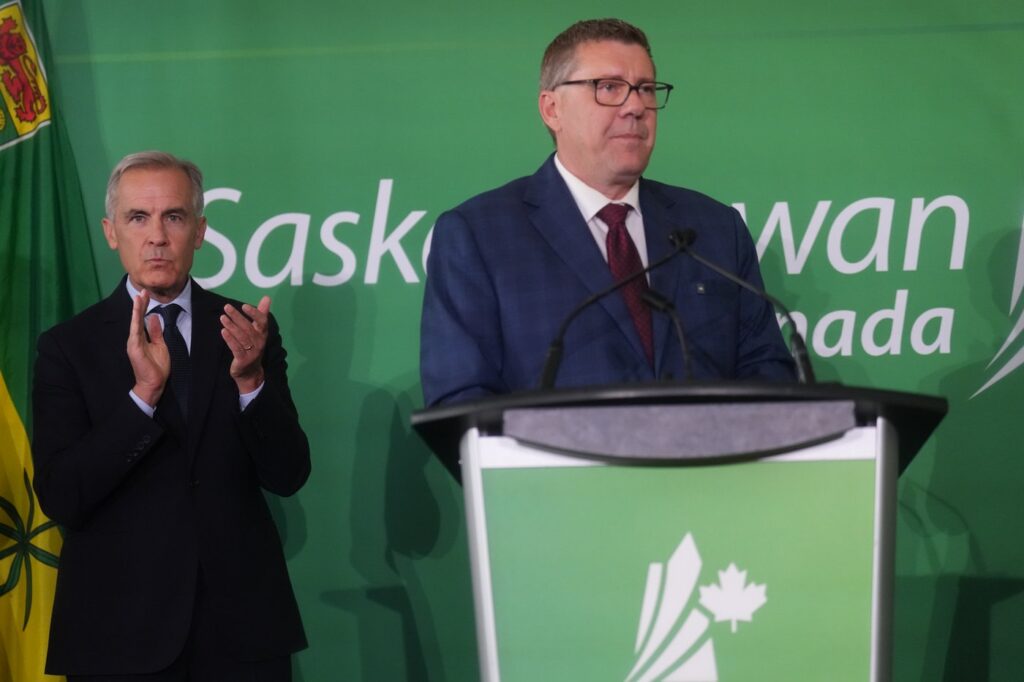
In response to Trump’s early comments regarding potential Canadian competition from Belarus, Canadian Prime Minister Mark Carney emphasized the reliability and cost-effectiveness of Canadian potash. Addressing reporters at a separate news conference, he affirmed, “Canada will continue to supply the United States with potash and that there’s an opportunity for both countries to grow the fertilizer industry together.” He reinforced the perspective that enhanced cooperation would be beneficial not only for Canadian farmers but for American farmers as well.
Saskatchewan is the sole province in Canada that produces potash, and its economic significance cannot be understated. The importance of maintaining a steady supply chain and adhering to ethical sourcing were underscored by Saskatchewan Premier Scott Moe, who criticized Trump’s initial suggestions regarding Belarusian potash. Moe highlighted the unethical nature of obtaining potash from Belarus, citing the country's involvement in the Russian invasion of Ukraine. His comments reflect a growing concern regarding the sourcing of agricultural products from nations with controversial political situations.
Furthermore, industry experts and economists have raised doubts about the feasibility of acquiring cheaper potash from Belarus, especially compared to the logistical advantages of sourcing it from Canada. The established supply chain infrastructure between the U.S. and Canada is seen as a significant benefit for American farmers who rely on timely and reliable agricultural inputs. Additionally, Belarusian President Alexander Lukashenko has conveyed that his country may face limitations in supplying large quantities of potash to the United States, further complicating the prospect of a deal.
Ultimately, the situation highlights the complex interplay of agricultural trade between the U.S. and Canada, as well as the ramifications of international politics on local economies. Amid these discussions, the commitment to continue sourcing potash from Canada signals a preference for established and reliable partnerships over potentially questionable alternatives.