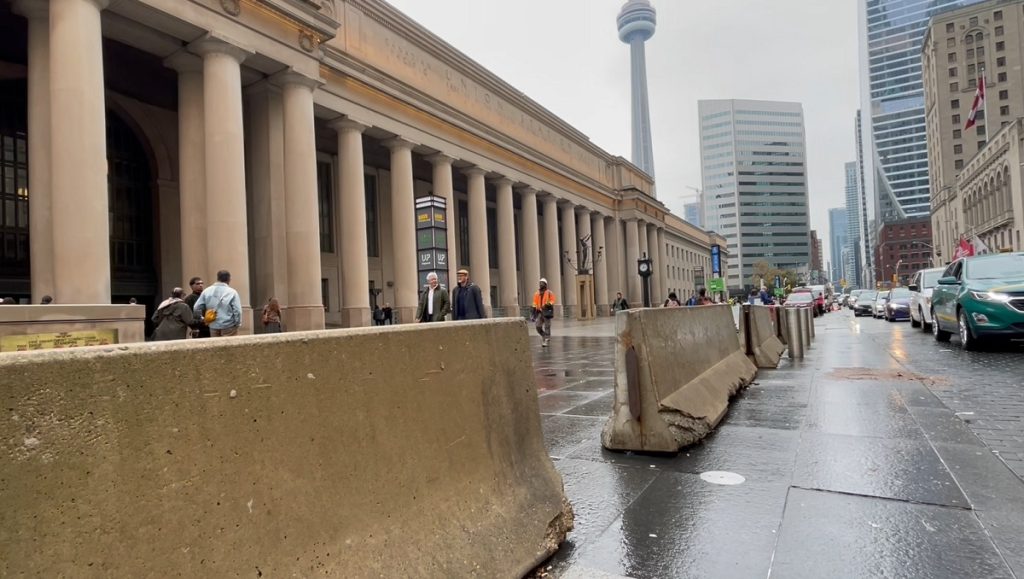
Amid the bustling environment outside Union Station, Dana Duncanson envisions a promising future for downtown Toronto. As the managing director of the Downtown West Business Improvement Area (BIA), Duncanson oversees businesses situated both to the north and south of this iconic transit hub.
Duncanson expresses the need for improved coordination from city hall regarding construction activities. He emphasizes, "Timing things so that we can get these big projects taken care of, in a manner that doesn’t impact the city too much." His remarks reflect the concerns of many in the business community as congestion and construction management emerged as significant issues during the recent municipal elections held in October.
Jon Kiru, who represents an umbrella organization encompassing all Toronto BIAs, echoed Duncanson's sentiments. In an interview, Kiru noted that businesses citywide are seeking greater predictability in the funding and management of events as well as during construction phases. According to him, "There was that predictability that I spoke about earlier, during construction, the on-again, off-again, the lack of planning, the lack of understanding."
Coordinating Construction a Priority: Mayor's Office
Braman Thillainathan, a spokesperson for Toronto Mayor Olivia Chow, acknowledged that while there is still more work to be done in her second term, coordinating construction has been a key focus for the mayor since her inauguration. In her effort to streamline these processes, Mayor Chow established the Strategic Capital Coordination Office and appointed Toronto's first chief congestion officer, as noted in Thillainathan's statement.
Duncanson highlights that the basics matter most to the community. "And what that really boils down to is we want a city that moves, that is safe, that is clean," he pointed out. This sentiment underscores the collective desire for a well-managed urban environment where both residents and businesses can thrive.
One initiative that the Downtown West BIA considers successful is the implementation of traffic agents at busy intersections. Currently, there are 100 active traffic agents assigned to monitor and manage the flow of vehicles and pedestrians. Plans are underway to increase this number to 127 by early next year, reflecting a proactive approach to addressing congestion in the downtown core.
The intersection of these various efforts signifies a pivotal moment for downtown Toronto, with community leaders advocating for changes that benefit both business and public infrastructure. These discussions about construction coordination, event funding, and safety protocols highlight the city's ongoing evolution and the need for a collaborative approach between the municipal government and the business community.
As downtown Toronto continues to grow and transform, the input of leaders like Duncanson and Kiru will be crucial in shaping a vibrant urban landscape that meets the needs of all stakeholders involved.