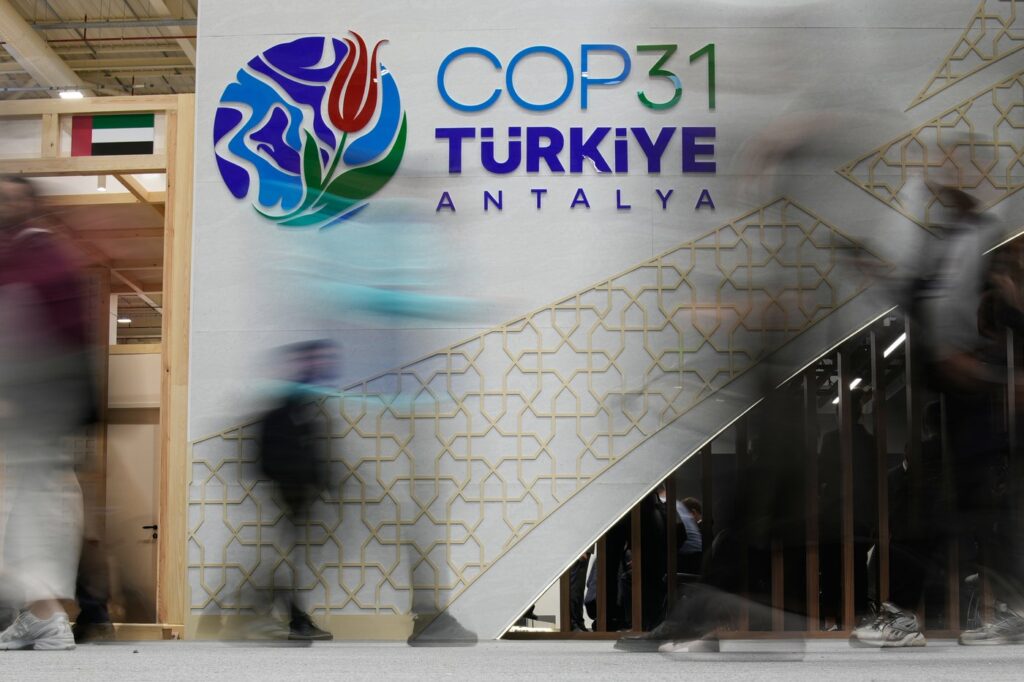
World leaders are set to engage in formal discussions starting Wednesday at the United Nations climate change conference, COP31, taking place in Turkey. The primary aim of this conference is to reach a consensus on effective actions to mitigate global warming in light of recent climate-related catastrophes, including devastating floods, extreme heat waves, and other environmental disasters that have raised urgent concerns globally.
The effectiveness of COP31 in delivering tangible outcomes remains uncertain. Previous climate summits have faced criticism for generating commitments that later proved to be ineffective. In the wake of last year's agreements at the COP30 in Brazil, which included a compromise to provide additional financial assistance to vulnerable countries confronting the adverse impacts of climate change, expectations are high for substantive action at this year's conference.
Despite commitments made during the 2023 conference in Dubai regarding a transition away from fossil fuels—such as coal, oil, and natural gas, which are recognized as the main drivers of climate change—subsequent discussions in Azerbaijan and Brazil did not yield significant agreements on emissions reductions. This history of unmet promises has fostered skepticism among stakeholders about the efficacy of COP31.
With Turkey playing host to this pivotal event and Australia spearheading negotiations, COP31 officially commenced on Monday amid concerns that the international community is not responding swiftly enough to climate issues. Scientists are voicing alarm about the likelihood of global warming exceeding 1.5 degrees Celsius (2.7 degrees Fahrenheit) above preindustrial levels from the early 1800s. This temperature threshold was established as a key goal during the 2015 Paris Agreement and remains a focal point in ongoing international negotiations.
The urgency of the discussions at COP31 is heightened by the ongoing conflict in Iran, which has escalated global prices for gasoline and oil, as well as for derivative products like fertilizers and pesticides. This crisis has prompted governments to reconsider their energy strategies and invest more in renewable energy alternatives such as wind and solar power, which are seen as crucial to meeting climate targets.
"We don’t need more promises; we need plans," remarked John Kerry, former U.S. Secretary of State and climate envoy. Notably, the United States, which ranks as the world’s second-largest polluter after China, is noticeably absent from the conference for the second consecutive year. Under former President Donald Trump's administration, climate change was dismissed as a hoax, leading to a focus on deregulation, including targeting offshore wind projects and rescinding rules that limited emissions from power plants.
The COP31 conference presents a crucial opportunity for world leaders to address the pressing reality of climate change, but the path to agreeing on robust and effective measures remains fraught with challenges and skepticism surrounding past outcomes.