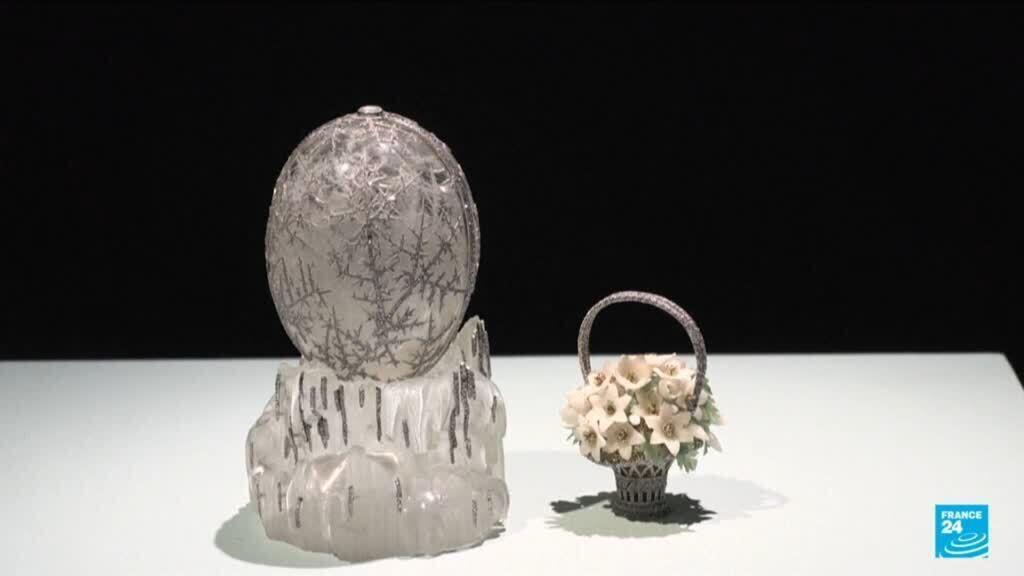
Fabergé's renowned masterpiece, The Winter Egg, recently achieved a remarkable selling price of nearly £23 million (approximately $30 million) at a prestigious auction hosted by Christie's in London. This auction has set a new world record, highlighting the continued fascination and demand for these unique and historically significant pieces of art.
The Winter Egg is one of the celebrated Imperial Easter Eggs commissioned by Tsar Nicholas II of Russia in 1913. This particular egg is among the 43 surviving pieces that were crafted by the famous jeweler, Peter Carl Fabergé, whose work is revered for its extraordinary intricacy and craftsmanship. The Imperial Easter Eggs were created as lavish gifts for the Russian royal family and have become symbols of opulence and artistic skill.
What sets The Winter Egg apart from other Fabergé creations is its exquisite design and the remarkable techniques used in its production. The egg features a stunning white exterior that resembles snow, adorned with delicate details that evoke the essence of winter. The inside of the egg reveals intricate mechanisms and compartments, reflecting Fabergé's masterful ability to combine artistry with engineering.
The auction on that notable day attracted collectors and enthusiasts from around the globe, all eager to acquire a piece of history. With this extraordinary sale, The Winter Egg has solidified its place not only as a jewel of the Fabergé collection but also as a significant artifact from the Russian imperial era. Its sale price underscores the luxury market's resilience and the allure of items that tell stories of the past.
The Winter Egg's auction success is indicative of a broader trend within high-end art and collectibles, where buyers are increasingly drawn to historical artifacts with rich narratives. The significance of this egg, intertwined with the legacy of the Romanovs and the tumultuous history of Russia, makes it a coveted item for serious investors as well as passionate collectors.
Experts in the field of art and antiques have commented on the importance of such pieces not just as aesthetic collectibles but also as vital links to history. They note that every Fabergé egg encapsulates elements of Russian culture and tradition, and The Winter Egg is no exception. The demand for such rare artifacts has seen a surge in recent years, and events like the Christie's auction play a crucial role in shaping market trends.
In summary, the record-breaking sale of The Winter Egg at Christie's is more than just a financial transaction; it is a testament to the enduring appeal of Fabergé's work and the historical significance embedded within each egg. As collectors continue to seek out these exceptional pieces, the legacy of Fabergé and the stories behind his creations remain alive and relevant in today's art world.