Inter Miami has made history by winning its first-ever MLS Cup. The championship match, held on Saturday, saw Tadeo Allende score in the 96th minute to secure a 3-1 victory over the Vancouver Whitecaps in Major League Soccer’s title game. The highly anticipated clash featured two of the league’s marquee players, with Argentine star Lionel Messi leading the charge for Miami and German legend Thomas Müller representing Vancouver.
The contest began with an unexpected twist as Vancouver's Edier Ocampo misdirected a cross into his own net in the eighth minute, giving Miami an early 1-0 lead. Despite the own goal, Vancouver fought back, with midfielder Ali Ahmed leveling the score in the 60th minute, marking his first goal in MLS for the season.
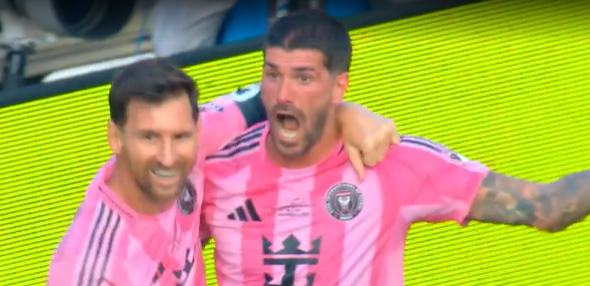
Miami regained the lead in the 70th minute through Rodrigo De Paul, who was assisted by Messi, effectively exploiting a mistake in Vancouver's midfield. However, the match was far from over, as both teams had chances to influence the final outcome. Vancouver, despite being the more aggressive side with 11 shots compared to Miami's 4, failed to find the back of the net again.
As the match progressed, Miami’s defense, particularly goalkeeper Rocco Rios Novo, stood out by shutting down multiple scoring attempts from Vancouver. After De Paul's goal, the Whitecaps pressed hard for another equalizer, creating opportunities but ultimately coming up empty.
In a dramatic finish during injury time, Messi launched a counterattack that resulted in Allende's breakaway goal, sealing the match at 3-1. This victory also marked Miami's first MLS Cup win, as they finished the regular season with a record of 19 wins, 7 losses, and 8 draws, placing them third in the Eastern Conference after a stunning 5-1 victory over New York City FC in the Eastern Conference final.
On the other hand, Vancouver completed their regular season with a solid 18-7-9 record, finishing second in the Western Conference and advancing to the championship match after a 3-1 win over San Diego FC in the Western Conference final.
The match at Chase Stadium in Fort Lauderdale was historic as it marked the last MLS game at that venue, before the team transitions to its new home, Miami Freedom Park, in the upcoming year. A vibrant crowd of 21,556 attended the final, including around 2,000 traveling Vancouver fans. Additionally, another 20,452 spectators witnessed the action via a large-screen broadcast back at B.C. Place in Vancouver.
Pre-game festivities added to the atmosphere, with dancers, fireworks, and notable presence as NBA legend and Whitecaps co-owner Steve Nash carried the MLS Cup onto the field. The match conditions were notably warm, with temperatures feeling like a muggy 30°C at kickoff, making it the hottest MLS Cup final to date.
In terms of match dynamics, Miami initiated aggressive play early on, utilizing a high-pressure strategy that kept Vancouver’s midfield under duress. After Ocampo’s own goal gave them the lead, Miami aimed to extend their advantage but encountered resistance from Vancouver's defense. A significant moment came in the 25th minute when Messi's free-kick attempt failed to find the net, allowing Vancouver to regain control as the half unfolded.
As the second half began, Vancouver maintained pressure, culminating in Ahmed’s successful attempt to draw level. Following Ahmed’s equalizer, Vancouver nearly took the lead, but a powerful shot from Emmanuel Sabbi hit the post, eliciting cheers from the visiting fans. Eventually, Messi's playmaking prowess proved pivotal, setting up De Paul's critical goal that shifted the momentum back in Miami's favor.
In sum, the championship match emphasized not only Miami’s emergence as a powerhouse in the league but also showcased the competitive spirit of Major League Soccer. Both teams exhibited skill and determination, with Miami ultimately claiming the historic victory in front of a lively home crowd, thus marking a significant milestone in their franchise history.