PETIT GOÂVE, Haiti (AP) – Amizia Renotte sits on a broken piece of concrete, surveying the rubble where her house once stood, demolished by the outer bands of Hurricane Melissa. This Category 5 storm devastated Haiti's southern region, particularly affecting communities in Petit-Goâve.
Although the Atlantic hurricane season has ended, countless individuals like Renotte still grapple with the aftermath of the storm nearly two months post-disaster. Melissa was one of the most powerful storms in recorded history, resulting in tragic loss and widespread destruction. Reports indicate at least 43 deaths occurred in Haiti due to the hurricane, with many fatalities in Petit-Goâve, a coastal town that is now engulfed in dirt and mud.
As residents continue their struggle for survival, the sound of heavy machinery is a constant backdrop as cleanup crews work to clear debris. Clermont Wood Mandy, a local, expressed the collective devastation: "People lost everything. They lost their homes. They lost their children." This statement underscores the ongoing suffering and despair felt by the community.
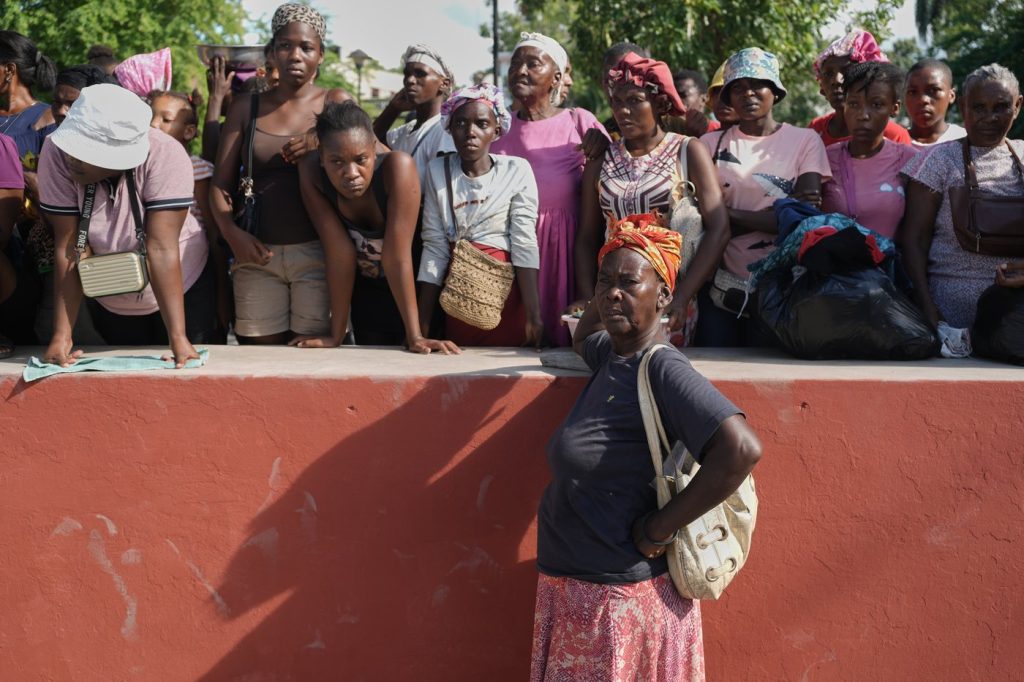
The hunger crisis in Haiti has worsened significantly since the storm. According to Lola Castro, a regional director for the U.N.’s World Food Program (WFP), around 5.3 million people in Haiti face daily food shortages. Petit-Goâve, known for its agricultural production of crops such as plantains, corn, and beans, has seen its economic foundation destroyed, forcing its residents into poverty.
In mid-November, Petit-Goâve held a mass funeral to mourn the lives lost in the hurricane. Meanwhile, frustration and hunger continue to plague the town. In an attempt to provide support, local convenience stores received cash donations, allowing them to stock essential items like pasta and rice. Yet for many residents, such as Joceline Antoine, who lost five relatives in the storm, the overarching sense of loss remains palpable: "My house is destroyed," she stated.
Hurricane Melissa's impact was also felt in Jamaica, where it made landfall shortly after hitting Haiti. The storm caused an estimated $8.8 billion in damage, resulting in at least 45 confirmed deaths and leaving 13 individuals missing. As health concerns arise, authorities in Jamaica reported multiple cases of leptospirosis and ongoing health challenges in response to water contamination following the storm.
In the aftermath, more than 100 shelters remain open across seven parishes in Jamaica, providing refuge for over 1,000 displaced people. Additionally, around 160 schools are closed, hindering education for many children. The Jamaican government has secured a $150 million loan aimed at expediting the restoration of electricity, anticipating full power restoration by January.
Meanwhile, Cuba has also been affected by Hurricane Melissa, with hundreds still residing in makeshift shelters. Despite avoiding storm-related fatalities, Cuba evacuated over 700,000 individuals from vulnerable coastal areas. As of recent reports, about 53,000 people in Cuba remain unable to return to their homes, amounting to 7,500 individuals in official shelters.
Overall, Hurricane Melissa affected approximately 6 million people across the Caribbean, with 1.2 million in Haiti alone in need of urgent food and support. The World Food Program has managed to assist around 725,000 individuals to date but faces a funding shortfall, with only 50% of its $83 million appeal fulfilled. The situation remains critical as communities across the region battle not only against the immediate consequences of the storm but also the long-term challenges of recovery and rebuilding.