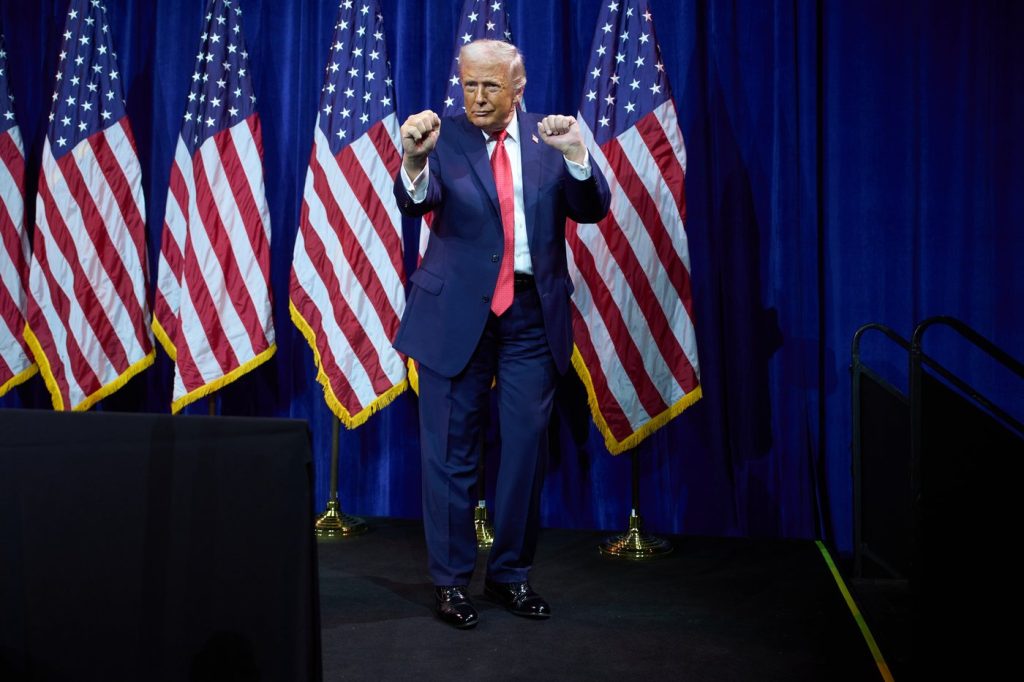
CARACAS, Venezuela (AP) — President Donald Trump announced on Tuesday that Venezuela would sell between 30 million and 50 million barrels of oil to the United States, stating that the proceeds from this sale would be used "to benefit the people" of both nations. The White House is organizing a meeting on Friday with executives from major U.S. oil companies, including Exxon, Chevron, and ConocoPhillips, to discuss potential investments in Venezuela's struggling oil industry.
Earlier that day, Venezuelan officials confirmed that at least 24 security officers were killed in a U.S. military operation aimed at capturing Nicolás Maduro, the Venezuelan president who is wanted on drug charges in the U.S. Delcy Rodriguez, the acting president, rebuffed Trump's threats about potential consequences if she does not align Venezuela's policies with U.S. interests, stating, "My destiny is not determined by them, but by God."
Venezuela's Attorney General, Tarek William Saab, reported that "dozens" of officers and civilians died in the weekend strike and pledged an investigation into what he termed a "war crime." He did not specify if these casualties included exclusively Venezuelans. In addition to the Venezuelan security personnel, the Cuban government confirmed that 32 of their military and police officers were also killed in the raid, which involved attacks on a compound guarded by Cubans.
The Pentagon reported that seven U.S. service members were injured during the operation, with five returning to duty and two remaining under recovery. The injuries included gunshot wounds and shrapnel injuries. A video tribute on the military’s Instagram account honored the deceased Venezuelan officers while conveying a message of justice and retribution against what they termed terrorist groups operating outside of Venezuela.
The potential oil transaction discussed by Trump could be valued as high as $2.8 billion, given that oil prices hover around $56 per barrel. Venezuela, while possessing the world's largest proven crude oil reserves, only manages to produce approximately one million barrels of oil daily, a stark contrast to the U.S., which averages about 13.9 million barrels per day. The press office for Venezuela’s government did not respond to inquiries regarding Trump's announcement.
Trump, during a House Republican retreat, expressed frustration over Democratic criticism of the military operation, recalling that former President Joe Biden had also called for Maduro's arrest on drug trafficking charges. Trump noted that bipartisan consensus existed regarding Maduro's illegitimacy as Venezuela's leader and questioned why he wasn't receiving acknowledgment for what he termed a successful military action.
U.S. public opinion regarding the capture of Maduro appears divided. A survey from The Washington Post showed approximately 40% of Americans approval of the military's actions to capture him, while nearly half opposed the U.S. assuming control over Venezuela's government. Most Americans believe that Venezuelans should decide the future of their nation’s leadership.
Following Maduro’s capture, Trump has voiced concerns that the military operation may signal a shift toward a more aggressive U.S. foreign policy in Latin America. Trump has reiterated ambitions for a U.S. takeover of Greenland and threatened military action against Colombia for its role in drug trafficking, describing Colombia's president in derogatory terms. In response, Colombia’s Foreign Affairs Minister, Rosa Villavicencio, announced plans to address these threats with U.S. officials, aiming to foster better cooperation on drug issues.
Meanwhile, European leaders, including those from France, Germany, Italy, Poland, Spain, and the U.K., defended Greenland’s sovereignty against any claims made by the U.S., emphasizing that the territory belongs to its people and only they should dictate their affairs.