Europe's Geopolitical Struggles Amid U.S. Military Ambitions
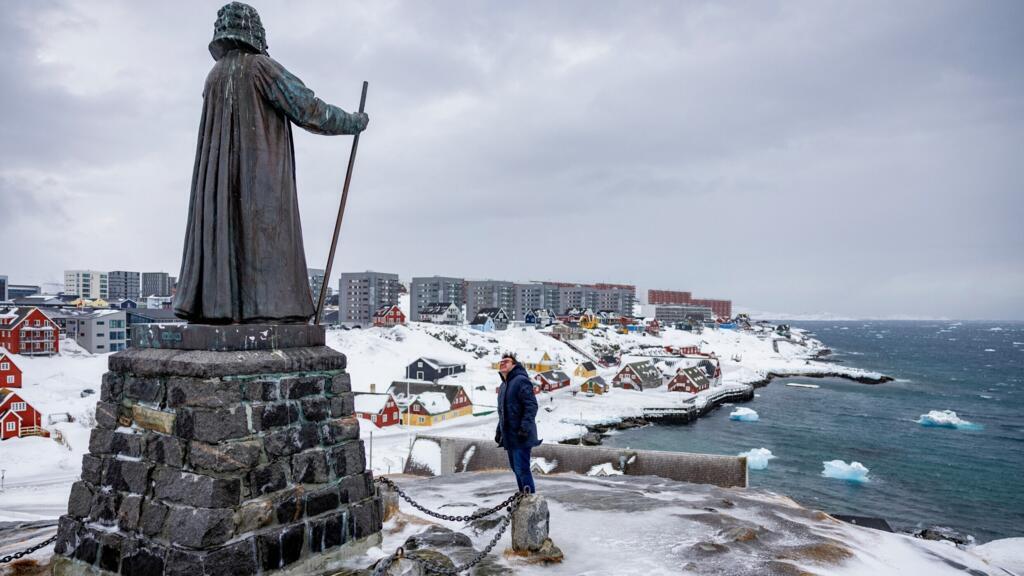
As 2026 begins, Europe finds itself in a precarious position, caught between the aggressive military strategies of the United States and its own awkward reliance on American power. The recent geopolitical maneuvers have raised significant concerns, particularly following the U.S. seizure of Venezuelan leader Nicolás Maduro. This incident has highlighted the potential volatility of U.S. foreign policy under President Donald Trump, who has recently suggested the use of military force to claim Greenland, a territory that belongs to NATO member Denmark.
The prospect of such a drastic move has alarmed European leaders, who are adamant that taking Greenland through military intervention is off the table. Nevertheless, this assertion raises more profound questions about Europe's ability to influence U.S. decisions, especially if Washington were to follow through with its military ambitions. The situation underscores Europe's precarious position as it grapples with its dependence on the U.S. for security while also navigating the unpredictability of American military strategy.
Trump’s remarks regarding Greenland are not entirely new, as interest in the territory has fluctuated over the years, but the potential for military intervention marks a troubling escalation. Greenland, with its vast natural resources and strategic location, has long been an area of interest for various powers. European leaders are cautious, assessing both the motivations behind U.S. actions and the implications for regional stability.
Moreover, the U.S. military presence in Europe has been a longstanding cornerstone of the continent's defense strategy. NATO, established as a bulwark against Soviet expansion, has largely relied on American military strength. This dependency complicates the European response to potential unilateral actions by the U.S. In an environment where American geopolitical interests can sharply diverge from those of Europe, European leaders must prepare for scenarios that may exceed diplomatic solutions.
The reaction from European officials has included strong rhetoric against such actions, emphasizing that military force is not an acceptable method for territorial acquisition in the modern world. However, the matter becomes more complex when considering the actual power dynamics at play. Should the United States decide to act on its military ambitions, Europe’s ability to intervene or deter such actions may be limited by its geopolitical realities.
As tensions rise, European nations find themselves at a crossroads. Many countries are keen to assert their sovereignty and maintain strict adherence to international norms regarding territorial integrity. However, the collective response to a potential crisis may be hampered by divergent political interests and the varying levels of military capability among NATO allies. The scenario raises critical questions about European unity and the effectiveness of its foreign policy in the face of American unilateralism.
In light of these developments, European leaders are under pressure to strengthen their diplomatic channels and alliances while also considering how to enhance their own military capabilities. The situation demands a reassessment of Europe’s defense strategy, focusing not only on collaboration within NATO but also on fostering a more autonomous approach to security threats.
Ultimately, as Europe navigates this tumultuous period, the balance between upholding democratic principles and addressing the realities of global power dynamics will be vital. The region stands at a pivotal moment, where its historical reliance on the U.S. must be critically evaluated against the backdrop of emerging global challenges.