Greenland's Future to be Decided by Greenlanders Amid US Threats
In response to US President Donald Trump's recent threat regarding Greenland, the leaders of the five main political parties within the autonomous Danish region have come together to issue a strong joint statement. This statement, released late last Friday, highlights the sovereignty and self-determination of Greenlanders in matters affecting their home. The stance taken by these leaders underscores the increasing tensions surrounding Greenland’s geopolitical significance.
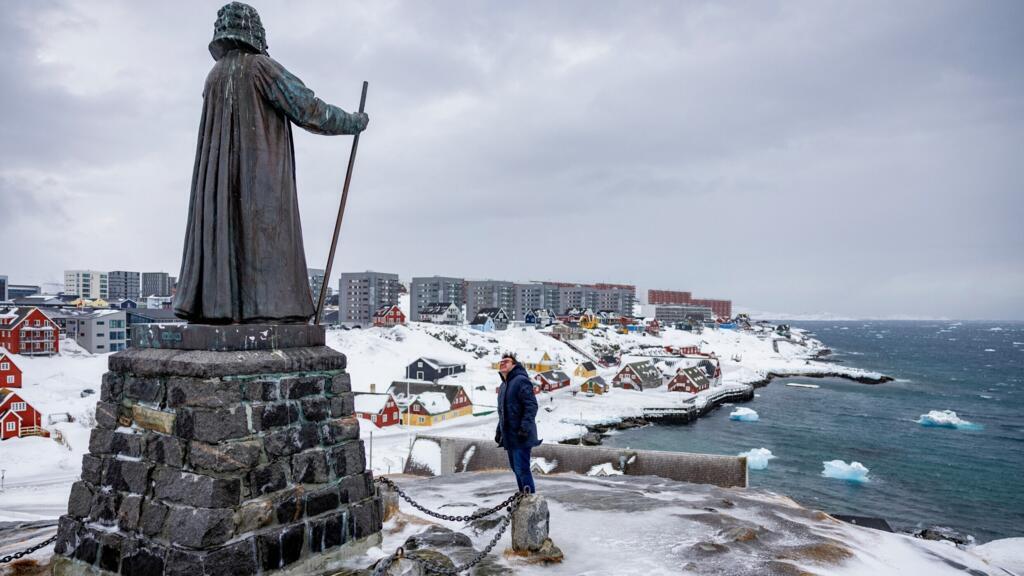
Trump's comments, which suggested the possibility of the United States seizing control of Greenland, have been met with widespread skepticism and disapproval. The President's remarks were not merely casual musings; they sparked significant political discourse both in the US and internationally. Greenland, which is the world's largest island, has become a point of interest for various nations due to its vast natural resources and strategic location. The reactions from Greenland's political leaders are indicative of the deep-seated desire for autonomy and respect for their rights as an indigenous population.
The five political parties, including the Siumut, Nunafollowerit, Atassut, the Socialist Party of Greenland, and the Youth Party, collectively emphasize that the future of Greenland should be determined solely by its people. Their joint statement asserts that decisions regarding sovereignty, governance, and international relations should arise from a genuine understanding and respect for the wishes of the Greenlandic population. This rallying call signals not only a defense of local rights but also a reaffirmation of Greenland’s political identity on the global stage.
The leaders expressed concerns over the potential ramifications of external pressures from larger nations, particularly the United States and China, both of which have shown interest in the Arctic region for its untapped resources and geopolitical advantages. The leaders of the political parties are adamant that discussions about Greenland's future should prioritize the voices, needs, and aspirations of the people who actually reside on the island.
This development is not an isolated incident; it reflects a growing trend where indigenous populations worldwide are asserting themselves against colonial legacies and the encroaching interests of foreign powers. The historical context cannot be overlooked—Greenland was a Danish colony for many years before it gained autonomy, and issues surrounding independence and foreign intervention remain sensitive topics.
Moreover, the joint statement has been widely covered in international media, providing a platform for the voices of Greenlanders to be heard. The leaders' decision to publish a unified statement exemplifies their commitment to solidarity and reinforces the importance of Greenland's self-determination in a rapidly changing geopolitical landscape. They are calling for dialogue that recognizes their unique cultural identity and political aspirations, emphasizing that external threats should not overshadow the legitimate rights of the Greenlandic people.
In light of this situation, the political environment in Greenland is evolving, with leaders seeking to unify their constituency against perceived external threats. They recognize that the stakes are high, as foreign interests in the Arctic have the potential to shift the balance of power and influence the delicate ecosystem of the region. The leaders have stated their determination to ensure that any discussions involving Greenland’s future explicitly involve the perspectives and will of its people.
As this dialogue continues to unfold, it will be essential for international observers to pay attention to the dynamics at play in Greenland. The realization by Greenlandic leaders that their voice must be heard in global conversations about their homeland not only empowers their community but also sends a message of resilience and sovereignty against the backdrop of external pressures.