Denmark's Diplomatic Tensions with the U.S. Over Greenland
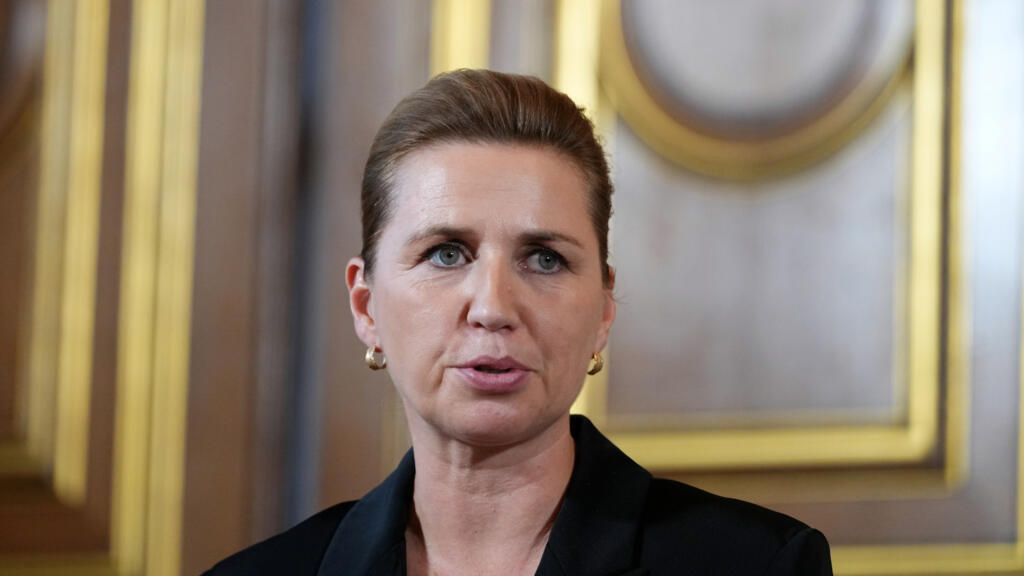
In a significant development in international relations, Denmark's Prime Minister, Mette Frederiksen, expressed profound concerns regarding her country’s ongoing diplomatic dispute with the United States over the territory of Greenland. During a press conference held on Sunday, Frederiksen described the situation as a “decisive moment” for Denmark, following remarks made by former President Donald Trump suggesting the possibility of using force to acquire the Arctic territory.
The tensions between the U.S. and Denmark resurfaced as Frederiksen prepared for meetings in Washington concerning vital discussions on raw materials. The Prime Minister underscored that “there is a conflict over Greenland” and highlighted that the diplomatic strife not only reflects historical grievances but also contemporary geopolitical interests in the Arctic region.
Greenland, an autonomous territory of Denmark, holds significant strategic and economic value, particularly in light of its natural resources and potential shipping lanes that are becoming increasingly accessible due to climate change. Trump's previous interest in purchasing Greenland, which was publicly rejected by Frederiksen in 2019, has reignited discussions about sovereignty, territorial rights, and international relations involving Arctic regions.
Frederiksen’s statement indicates a strong stance on maintaining Denmark’s sovereignty over Greenland, a position that aligns with the Danish government's long-standing commitment to supporting the island's self-governance while also addressing the interests of its residents. The Prime Minister emphasized that any discussion surrounding Greenland's future must involve its indigenous population, who should have a significant voice in any negotiations affecting their land.
The backdrop of this diplomatic tension sheds light on broader issues of Arctic governance. As countries vie for access to untapped resources and emerging maritime routes due to melting ice, the significance of Greenland has surged. Frederiksen reiterated the need for a cooperative international approach to address climate change and regional challenges, moving beyond mere territorial claims.
As the situation develops, the outcomes of Frederiksen’s upcoming meetings in Washington could critical implications for Denmark-U.S. relations and Arctic diplomacy. The Prime Minister’s remarks signal her determination to advocate for Denmark’s interests amid external pressures and to reaffirm the importance of dialogue over coercive tactics.
In conclusion, the situation surrounding Greenland and its diplomatic significance serves as a reminder of the complex interplay between nationalism, international relations, and environmental issues in the Arctic. As discussions progress, the global community will be closely monitoring how countries navigate these challenging waters and address the future of this strategically important territory.