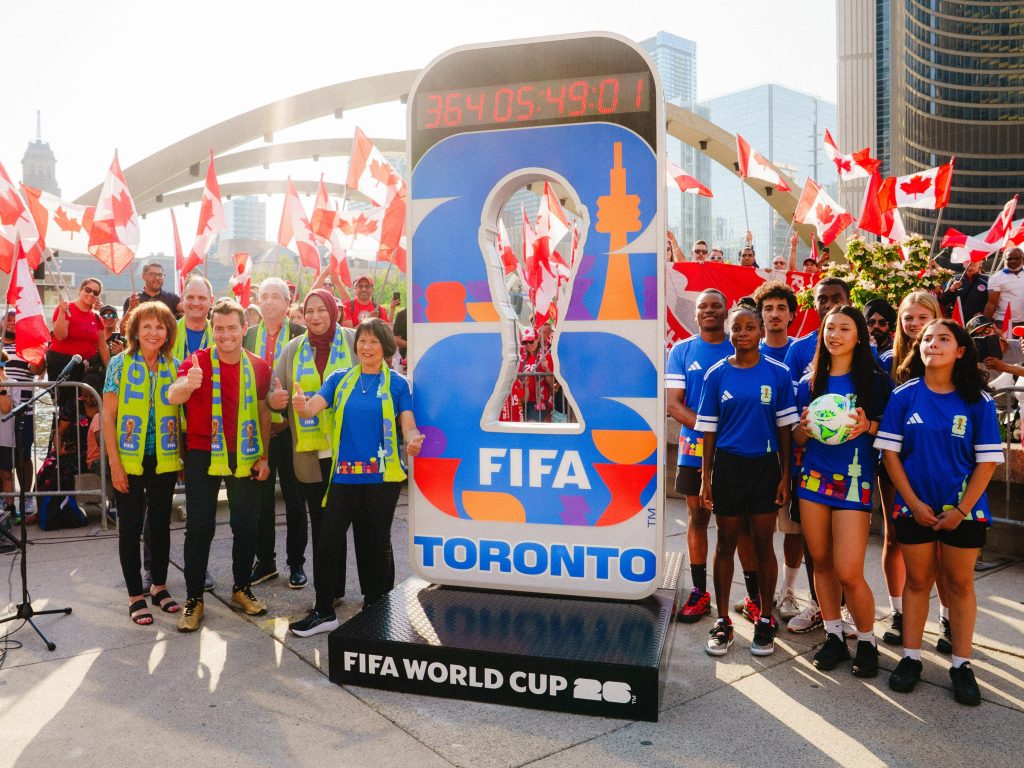
The upcoming 2026 FIFA World Cup match in Toronto is scheduled for exactly six months from now, prompting concerns from experts about the rise of scams targeting enthusiastic fans eager to participate amidst soaring demand.
CityNews consulted two technology specialists regarding the potential for fan scams. They highlighted that advancements in artificial intelligence (AI) have made it easier for fraudsters to create convincing counterfeit tickets and fraudulent offers.
Technology analyst Carmi Levy cautioned, “Thanks to AI, it’s really easy to get the logos right, get the fonts right, and make it look absolutely perfect.” He emphasized that cybercriminals rely on the assumption that people believe they are savvy enough to avoid scams, which can lead to substantial risks.
FIFA has implemented a rigorous ticket purchasing process to manage the high demand for tickets, but this has led to a surge in fake websites claiming to sell tickets. According to Check Point, an online security firm based in Toronto, “more than 4,300 newly registered domains bearing the language of FIFA, the World Cup, or its host cities surfaced across the internet” during August and September of this year.
Levy remarked on the unprecedented scale of this issue, attributing part of it to technological advancements that enable scammers to reach wider audiences. He added, “It invites more scammers into the environment, into this kind of crime.”
Beyond counterfeit tickets, these fraudulent websites were also promoting illegal game streaming and fake merchandise, raising concerns about consumers’ safety. Mohit Rajhans, a media and technology expert at Think Smart Inc., added that the problem may be exacerbated by international buyers who lack familiarity with the geography of Canada and the United States.
He noted, “It’s going to get really, really bad,” highlighting how easy it has become for anyone, not just tech experts, to perpetrate these scams. Levy and Rajhans advised that vigilance and skepticism should be prioritized as potential fans prepare for the 2026 World Cup.
To safeguard themselves, experts recommend that ticket seekers remain cautious about offers made on social media, avoid clicking links in unsolicited emails and texts, and report suspected fraud to local authorities or the Canadian Anti-Fraud Centre. Levy suggests adopting the mindset of assuming that “everything is not legitimate until proven otherwise.”
Rajhans added a warning, stating, “If your search history indicates that you’ve been actively seeking tickets, there’s a good chance you’ll be targeted by suspicious marketing tactics.”
For genuine ticket purchases and official information, fans should visit the official FIFA World Cup website.