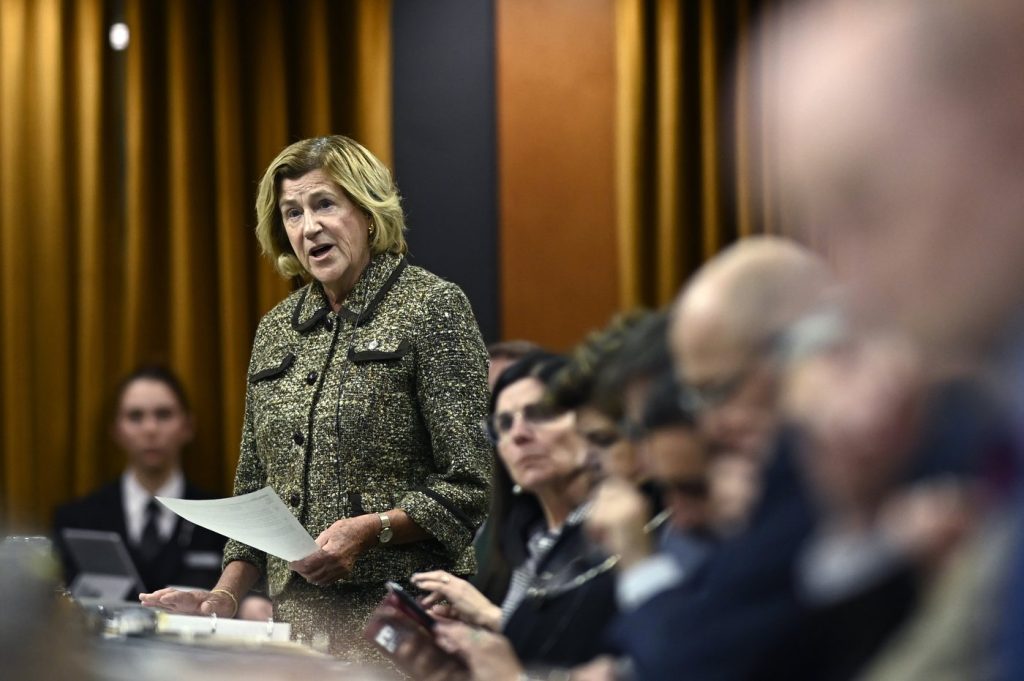
OTTAWA – In a notable development, two Liberal MPs, Helena Jaczek and Marie-France Lalonde, have decided to cut short their sponsored trip to Taiwan. This early departure aims to "avoid confusion" regarding Canada’s foreign policy, especially as Prime Minister Mark Carney prepares for discussions in Beijing.
In a joint statement, the MPs, who represent Ontario, indicated that their return to Canada was motivated by advice from the government. They emphasized that this decision does not alter Canada’s official stance on Taiwan, which remains a point of contention between Canada and China. Their statement read, "As this portion of the visit concludes, informed by advice from the government, we are returning home. It’s important that we avoid confusion with Canada’s foreign policy, given the overlap with the prime minister’s engagement in Beijing, which was only confirmed last week."
Jaczek and Lalonde characterized their trip to Taiwan as focused on trade, culture, and "people-to-people engagement." However, their decision has sparked criticism from political opponents. Conservative MPs on the trip, including deputy leader Melissa Lantsman, Adam Chambers, and Shelby Kramp-Neuman, are continuing with their itinerary in Taiwan. A party spokesperson confirmed their plans to complete the scheduled events.
Michael Chong, the Conservative foreign affairs critic, responded to the Liberal MPs’ departure by claiming it is indicative of "kowtowing to Beijing’s authoritarianism." He voiced concerns that their choice to return early reflects a prioritization of convenience over principles. "Ordering elected representatives home to avoid offending an authoritarian regime sends a clear message: convenience comes before principle," Chong stated in an email. He further noted that it increasingly appears that Prime Minister Carney is adopting a similar approach to dealing with China as his predecessor, Justin Trudeau.
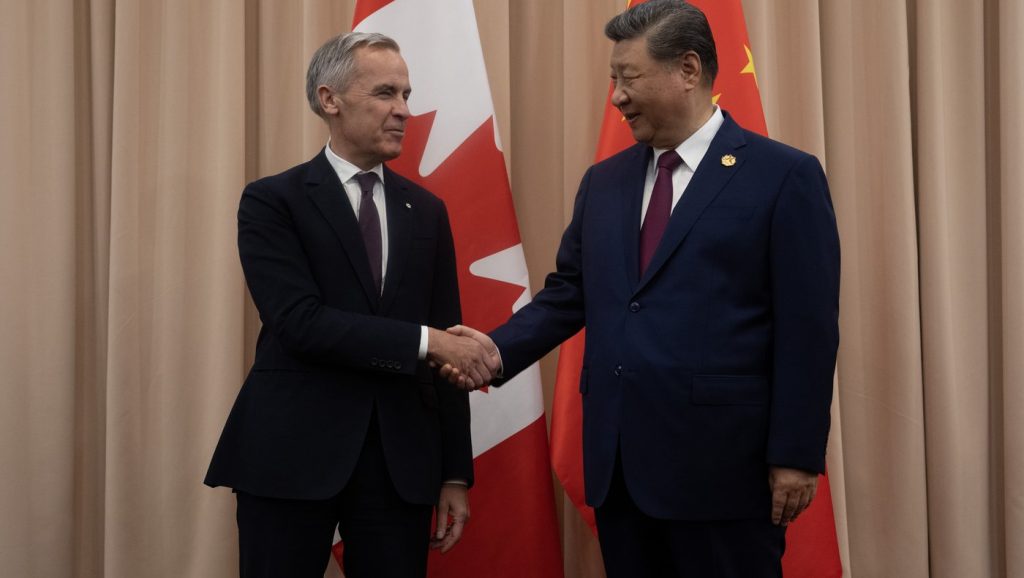
Prime Minister Carney is scheduled to embark on his trip to China on Tuesday, where he will engage in discussions surrounding trade and security, including a bilateral meeting with President Xi Jinping. The backdrop of these discussions is particularly significant, as Canada is attempting to reset its relationship with China after imposing 100 percent tariffs on Chinese electric vehicles in 2024—a move that led to retaliatory tariffs from China on certain Canadian agricultural products, including some canola products.
China regards self-governed Taiwan as part of its territory and has not eliminated the possibility of using force to assert its claims over the island. The Chinese government has also consistently expressed opposition to foreign parliamentarians engaging with Taiwan, viewing such visits as interference in its domestic affairs.
In a previous context, Foreign Affairs Minister Anita Anand had spoken to her Chinese counterpart about Canada's position of not recognizing Taiwan as an independent nation. Despite this, she asserted that Canada would maintain engagements with Taiwan to further Canadian interests. Taiwan, noted to be Canada’s sixth-largest trading partner in Asia and 15th largest globally, remains crucial to the economic dialogue between the regions.
During a House of Commons committee meeting on Canada-China relations in February 2022, Weldon Epp, now the assistant deputy minister (Indo-Pacific) at Global Affairs Canada, mentioned that Canada’s "unofficial" relations with Taiwan are characterized by a "strategically ambiguous" approach amid its China policy. This ambiguity has facilitated the development of trade, education, and research ties in the area.
On January 1, Canada publicly condemned China’s military drills around the Taiwan Strait, emphasizing the need for all parties to work together to maintain peace and accessibility in this significant waterway.