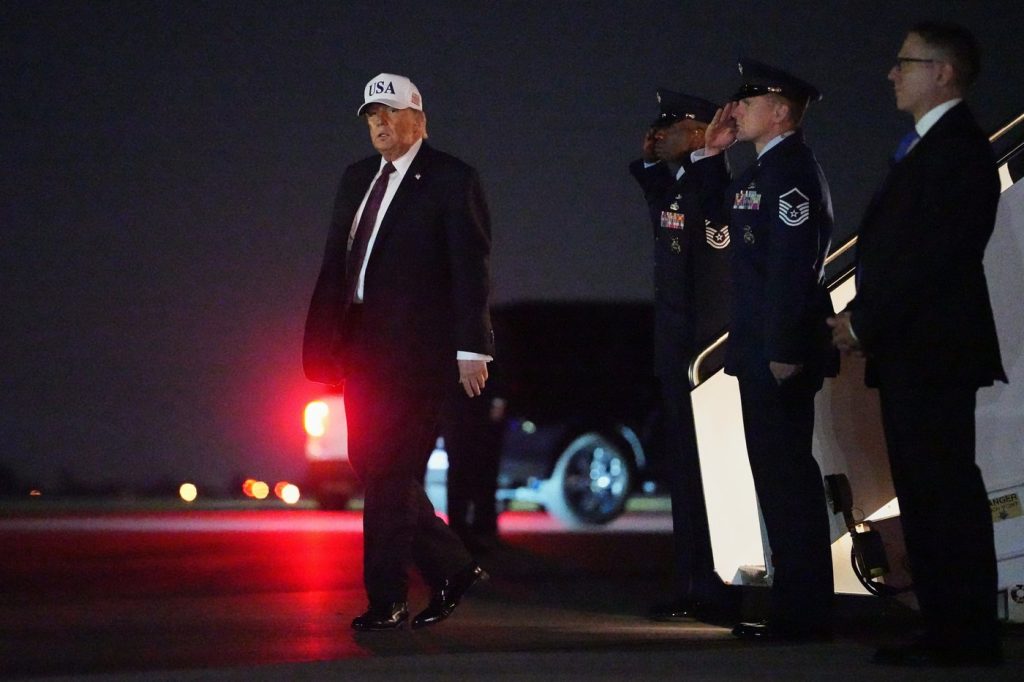
BRUSSELS (AP) — Following the reported death of Iran's Supreme Leader Ayatollah Ali Khamenei, world leaders expressed caution as questions arose regarding the future of Iran and global security. U.S. President Donald Trump announced Khamenei's demise on social media, labeling it "the single greatest chance for the Iranian people to take back their Country." Iranian state media confirmed in early Sunday reports that the 86-year-old leader had died but did not provide details about the cause.
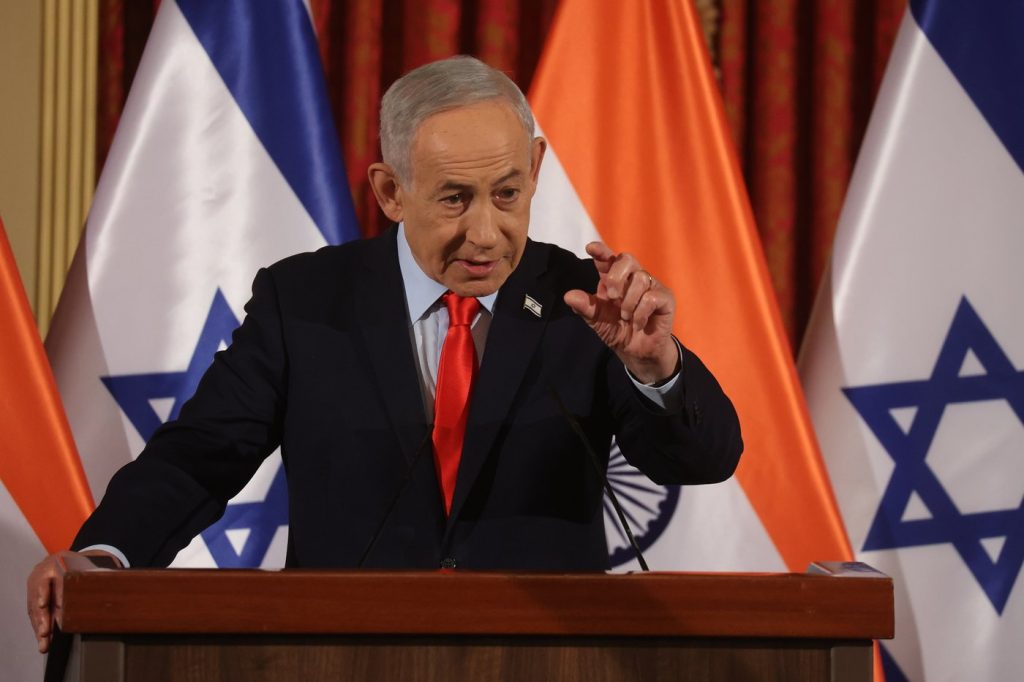
Israeli officials, speaking on condition of anonymity, correlated Khamenei's death with Israeli strikes on his compound, as Israeli Prime Minister Benjamin Netanyahu mentioned "growing signs" of Khamenei's killing. The sudden death of the second leader of the Islamic Republic, who had not named a successor, raises concerns about Iran’s future stability and the prospect of broader conflict in the region. In response, the U.N. Security Council convened an emergency meeting.
While many nations were hesitant to comment directly on the strikes, apprehensions regarding Iran's retaliation resonated universally. Countries across the Middle East, mirroring European sentiment, condemned Iran's attacks on Arab nations but refrained from denouncing U.S. and Israeli military actions. In stark contrast, Australia and Canada openly supported the strikes, while both Russia and China condemned them.
The joint U.S. and Israeli military action against Iran intensified tensions further, with Trump urging the Iranian public to "seize control of your destiny" amid calls for uprising against the ruling theocracy. Iran retaliated by launching missiles and drones targeting Israel and U.S. military bases in the region.
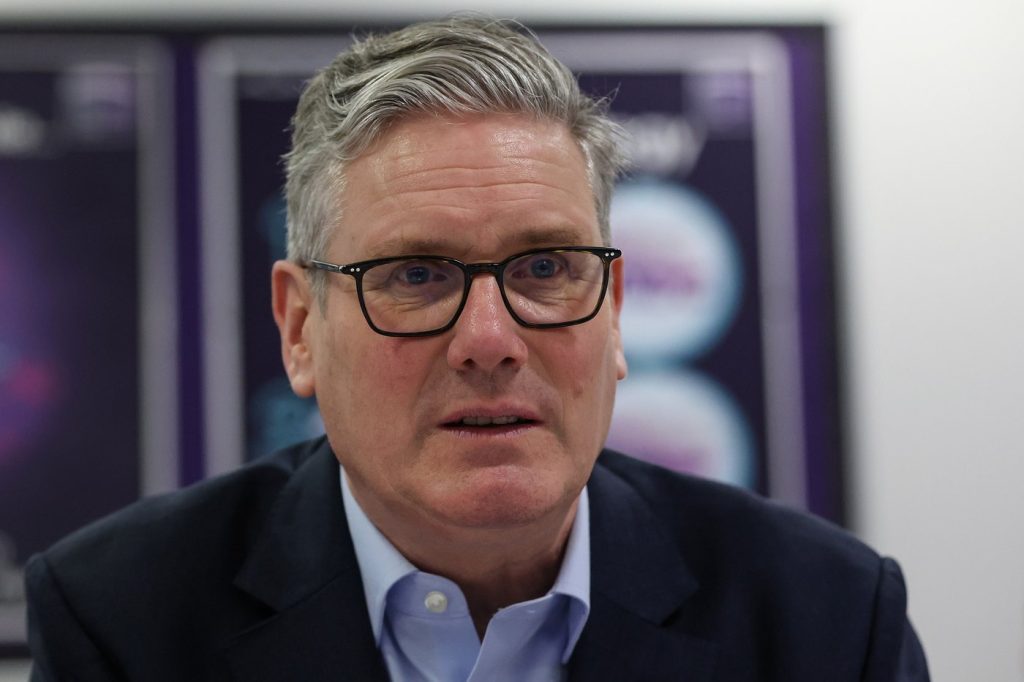
British Prime Minister Keir Starmer, French President Emmanuel Macron, and German Chancellor Friedrich Merz issued a joint statement urging the U.S. and Iran to resume negotiations for a peaceful resolution. They emphasized that their countries did not partake in the strikes while consistently maintaining communication with the U.S. and its regional partners. They urged that the Iranian people should be permitted to determine their own future and condemned the Iranian military actions.
Macron reiterated France's lack of involvement in the strikes, insisting that military actions alone will not resolve issues concerning Iran's nuclear program, ballistic activity, or regional destabilization. The Arab League denounced Iranian strikes as a violation of sovereignty and called for restraint in the region's ongoing conflicts.
The response from countries like Morocco, Jordan, and Syria vented disapproval of Iranian attacks, despite Syria's previous alliances with Iran and historical criticism of Israel. Saudi Arabia also condemned Iran's aggression while Oman criticized the U.S. action as a breach of international law and a failure in peaceful dispute resolution.
A nuanced response emerged within European and Middle Eastern countries, spotted with careful wording aimed at avoiding perceptions of outright support for unilateral U.S. actions. Russia’s Foreign Ministry described the strikes as "a pre-planned and unprovoked act of armed aggression," while China's government called for an immediate cessation of hostilities and a return to dialogue.
Despite a history of tensions with the U.S., Canada supported the military actions against Iran, positioning the country as a principal source of instability in the Middle East. The U.N. Security Council's emergency meeting was prompted by requests from Bahrain and France, underscoring the gravity of the situation.
Amidst the escalating conflict, Palestinians in the occupied West Bank seemed relatively unaffected, continuing their daily activities while bracing for potential disruptions as Israeli checkpoints tightened following the strikes. However, concerns about possible supply shortages grew evident as gas stations experienced longer lines.
The Palestinian Authority condemned Iran’s military actions without referencing the U.S. or Israeli strikes, reflecting the complex dynamics of regional alliances. Norwegian Foreign Minister Espen Barth Eide voiced significant concern about escalating conflicts stemming from failed negotiations with Iran, while the International Campaign to Abolish Nuclear Weapons criticized the strikes as potentially exacerbating nuclear proliferation risks.
Collectively, European leaders reiterated calls for restraint and a focus on diplomacy to achieve nuclear safety, with the Arab League also appealing for a return to dialogue to prevent further instability and violence across the region.