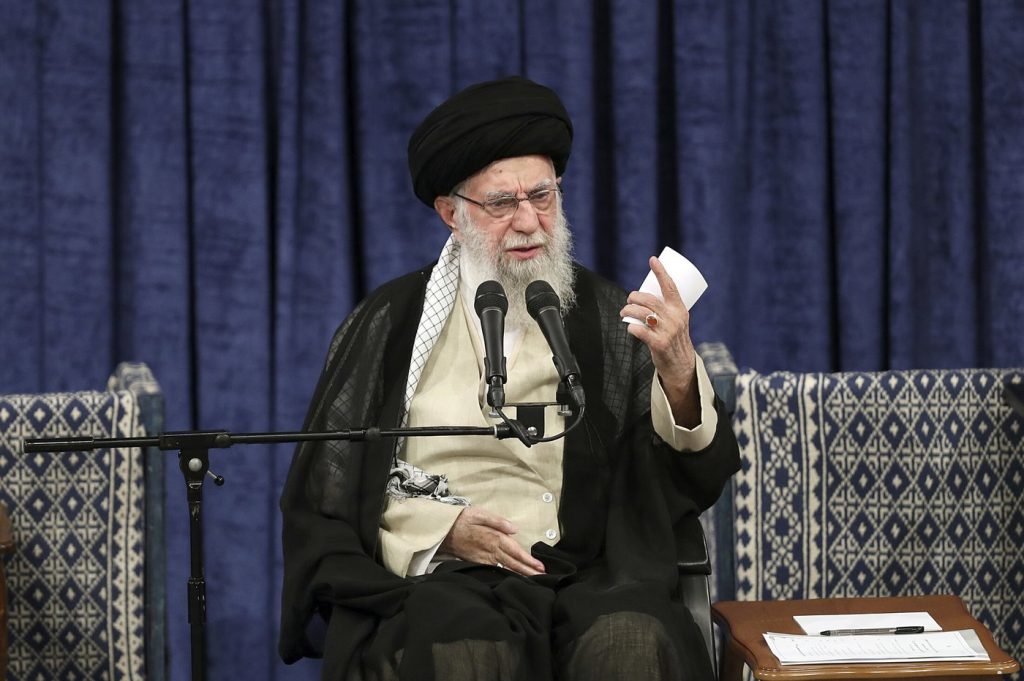
DUBAI, United Arab Emirates (AP) — Iranian Supreme Leader Ayatollah Ali Khamenei was confirmed dead following a major attack on his compound in downtown Tehran, allegedly carried out by Israel and the United States. The airstrike, reported by Iranian state media early on Sunday, raises uncertainty about the future of the Islamic Republic and poses a risk of escalating regional instability.
Shortly before the announcement of Khamenei's death, President Donald Trump declared it a pivotal moment for the Iranian people, stating they now have their "greatest chance" to reclaim their country. Khamenei, aged 86, died in an airstrike that targeted his office, with satellite images indicating significant damage to the site. Iranian state television remarked that Khamenei had always stood among the people, confronting international challenges.
Trump characterized Khamenei as "one of the most evil people in History" and assured that the U.S. would continue "heavy and pinpoint bombing" throughout the week. This action is part of a broader military campaign justified by the U.S. as necessary to dismantle Iran's nuclear capabilities.
The surprise assault marks a significant escalation in U.S. intervention in Iran and raises the stakes for retaliatory violence, with experts suggesting it could lead to a wider conflict. The military strike represents a bold display of power from a president who previously pledged to avoid "forever wars." In the aftermath, reports suggest that the operation created a leadership vacuum in Iran, with no clear successor to Khamenei, who dominated the country's governance and military strategy for decades.
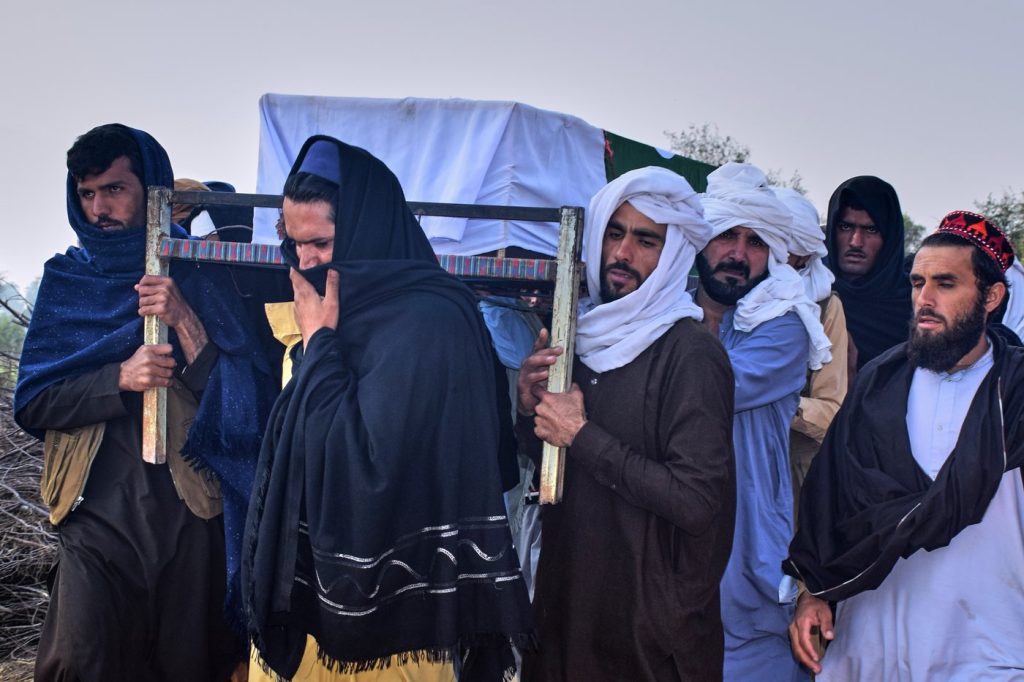
As news of Khamenei's death spread, witnesses in Tehran reported a mix of reactions, including celebrations among some residents. Reports from unnamed sources indicated that several of Khamenei's relatives were also killed in the attack. In retaliation, Iran's Cabinet responded with warnings of retribution, asserting that the "great crime will never go unanswered." The Revolutionary Guard threatened a "severe, decisive and regret-inducing punishment" over Khamenei’s death.
Strikes Followed Months of Rising Tensions
The U.S.-Israel operation was reportedly planned for months and launched during Ramadan, coinciding with the start of the Iranian workweek. This military action was preceded by a buildup of U.S. warships in the region, amid stalled negotiations and ongoing tensions regarding Iran's nuclear program.
The U.S. military later reported no U.S. casualties from the strikes, despite hundreds of Iranian missile and drone attacks. Targets included Revolutionary Guard facilities and military airfields. Israeli officials confirmed the deaths of key Iranian military leaders in conjunction with Khamenei's death.
The strikes also heightened fears of a broader conflict, with Iran launching missiles in response and engaging in exchanges of fire throughout the night. An Iranian diplomat claimed that many civilians were among the dead and wounded in the attacks. The situation further escalated as Iran targeted Israel and U.S. military bases in retaliation while tensions in the region added pressure on global oil markets.
Unsuccessful Nuclear Talks and Repercussions
Recent negotiations aimed at curbing Iran's nuclear aspirations had failed, leading to increased military actions. Trump's administration claimed that Iran had been rebuilding its nuclear program and posed a growing threat. Iranian forces retaliated by targeting both military installations and international commercial traffic, with threats affecting the stability of the Strait of Hormuz, through which a significant portion of the world's oil supply is transported.
Amid these escalations, regional governments reported missile attacks, including incidents in Saudi Arabia, Bahrain, and Kuwait, where military installations were targeted. In Iran, a tragic incident occurred when a school in southern Iran was hit, resulting in numerous casualties.
Impact on the Islamic Republic's Future
Ali Khamenei's tenure, which spanned several decades, led to significant transformations within the Islamic Republic. The absence of a clear successor raises critical questions about the governance structure and future stability of Iran. The Assembly of Experts, composed of hard-line clerics, is tasked with electing a new Supreme Leader, but the lack of an identified successor complicates the transition process. This leadership change comes at a time of heightened dissent and unrest within the nation, further challenging Iran’s political landscape.