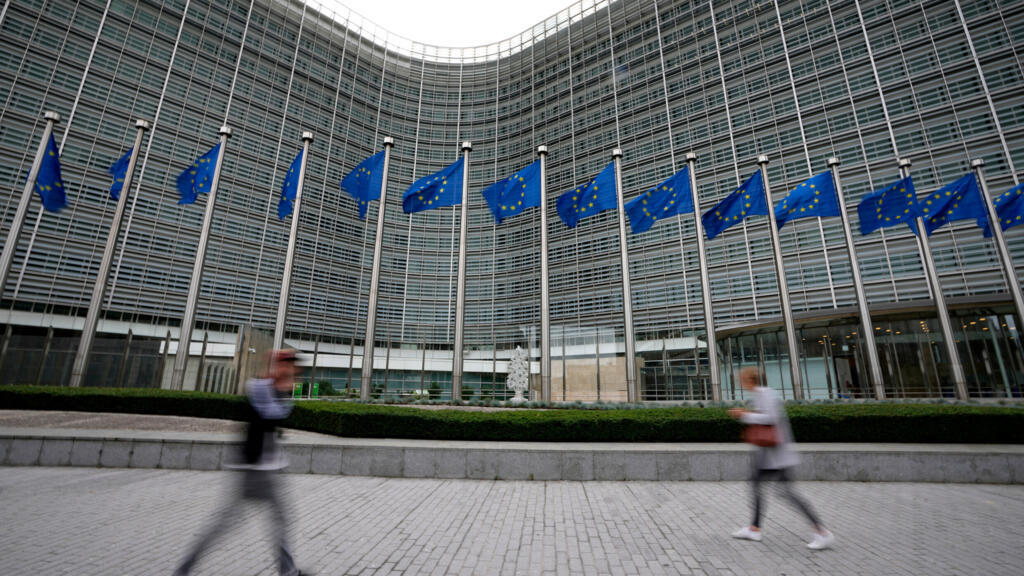
On Thursday, the ambassadors of the European Union (EU) reached a political agreement regarding new sanctions against Russia, a decision influenced by the ongoing conflict in Ukraine. This move reflects the EU's commitment to responding to Russia's actions, as tensions in the region remain high. According to EU diplomats, this latest package of sanctions marks a significant step in the EU's strategy to impose economic penalties on Russia.
The 21st sanctions package consists of a range of measures, which predominantly focus on restricting the Russian oil industry. Notably, a key element of this package includes a 12-month freeze on the price cap imposed on Russian oil. The price cap was originally established to limit Russia's revenue from oil exports, thereby diminishing its capacity to finance military operations in Ukraine. The decision to freeze the price cap for a year is expected to have considerable implications for Russia's oil revenues as well as for the global oil market.
In addition to the oil price cap freeze, the new sanctions package is likely to include a variety of other economic restrictions aimed at further isolating Russia from the international community. These measures may target specific sectors of the Russian economy, individuals with ties to the Kremlin, and entities that contribute to the Russian war effort in Ukraine. The EU's approach underscores its determination to maintain pressure on Russia and deter its military aggression.
The unanimous agreement among EU ambassadors highlights the commitment to a collective approach in addressing the challenges posed by Russia's actions. The unity demonstrated by the member states serves to reinforce their shared values of sovereignty and territorial integrity, particularly in the context of Ukraine. The EU's response, through these sanctions, is not only aimed at penalizing Russia but also at supporting Ukraine in its efforts to reclaim its territory and ensure its security.
As the sanctions are implemented, the EU will closely monitor their impact, both economically and politically. The implications of these sanctions extend beyond the immediate effects on Russia; they also influence global energy prices and international relations. The EU's decision to freeze the price cap illustrates a strategic maneuver designed to balance economic pressures on Russia while minimizing disruption in global energy supplies.
Overall, the introduction of the 21st sanctions package is emblematic of the EU's ongoing response to the Ukraine war. By coordinating efforts among the member states and adopting a unified stance against Russia, the EU aims to contribute to the stabilization of the region and uphold the principles of international law. The developments surrounding these sanctions will be closely watched as the global community continues to grapple with the ramifications of the conflict in Ukraine.