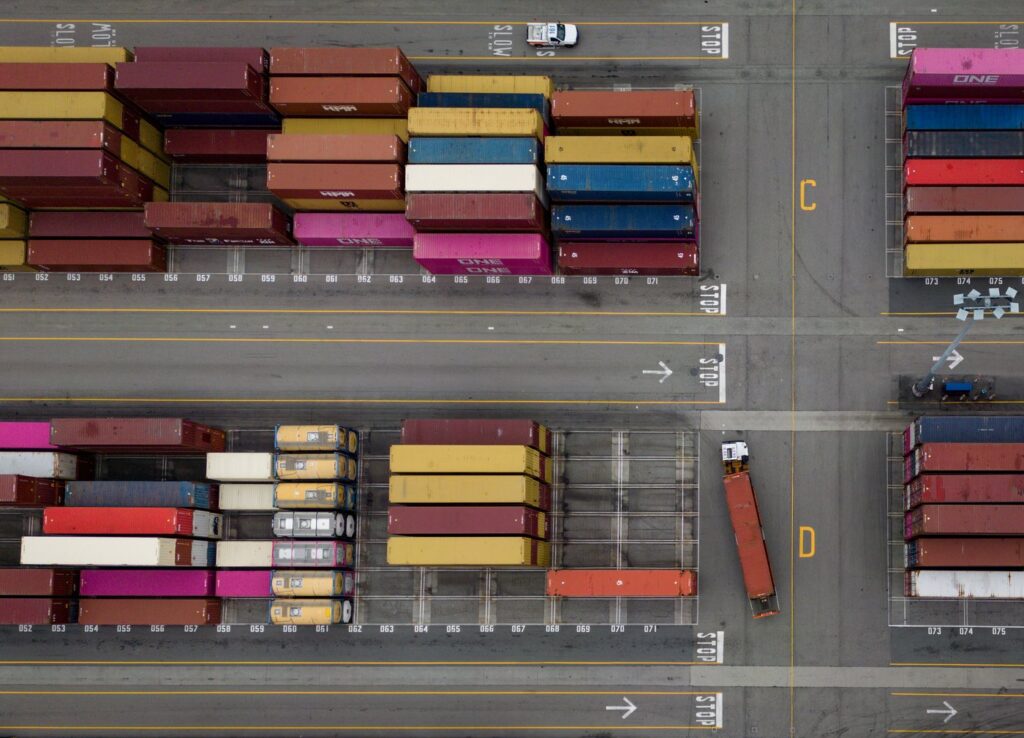
OTTAWA — U.S. President Donald Trump's recent tariff escalation against Canada has sparked discussions among analysts regarding its intent and implications. On Monday, Trump signed executive orders to impose a 50% tariff on various goods, including honey, liquor, cement, and hockey sticks. However, vital sectors such as energy, potash, critical minerals, and fish will not be affected by these new duties, nor will goods compliant with the Canada-U.S.-Mexico Agreement (CUSMA), which has previously provided protection for Canadian exports.
Royce Mendes, head of macro strategy at Desjardins, labeled the removal of the CUSMA exemption as a "marked escalation" in U.S. trade aggression. Despite this, Mendes observed that the new tariffs are "not broad-based" but rather targeted, implicating around 5% of Canada's exports to the U.S. BMO senior economist Robert Kavcic estimated that the tariffs would cover approximately $28 billion worth of annual Canadian exports to the United States, which accounts for about 0.8% of Canada's gross domestic product (GDP).
Kavcic further noted that the sectors most likely to be affected include chemicals, plastics, electronics, and industrial equipment, followed by consumer goods and forestry products. As these tariffs are more directed toward certain industries, provinces like Ontario, which have already faced difficulties from previous tariffs, may experience steeper impacts. The Trump administration has pointed to Canada's supply-managed dairy industry, provincial bans on U.S. alcohol, and quotas on American automotive imports as justifications for the new tariffs.
In an interview with CNBC, U.S. Trade Representative Jamieson Greer said the tariffs are a "natural consequence of the Canadian retaliation." Unifor national president Lana Payne argued that the tariffs seem designed to cause division among Canadians and their provinces, urging both provincial and federal governments to unite and protect Canadian interests. Economists have suggested that the new tariffs could increase Canada's effective U.S. tariff rate by a few percentage points, likely placing it in the mid-to-high single digits, which might be manageable for the overall economy but could severely impact specific industries.
Mendes emphasized that, despite the new duties, Canada's trade situation with the United States remains relatively favorable compared to other countries. However, he noted that business confidence is a critical factor to monitor in light of Trump's tariff threats. The ongoing uncertainty could affect consumer sentiments and job prospects negatively. The U.S. decision earlier this month not to renew CUSMA for another 16 years, shifting to rolling annual reviews, adds further complexity to the trade dynamics.
Mexico and the U.S. have engaged in official negotiations, while Canada has not yet initiated talks. CIBC deputy chief economist Benjamin Tal mentioned that the timing of these tariffs likely serves as additional leverage in upcoming CUSMA negotiations. Canada's efforts to eliminate tariffs on essential sectors such as steel and aluminum have stalled since late last year.
Prime Minister Mark Carney revealed he spoke with Trump and they agreed on the necessity to intensify trade discussions in the coming weeks. Mendes indicated that the tariffs may be more about negotiating leverage than causing significant disruption to the North American economic landscape. Greer suggested that the U.S. administration considers these tariffs a strategic move to enhance negotiation outcomes.
As the U.S. approaches midterm elections, Trump may be seeking a deal that he can present as a victory to American voters. Mendes noted that this approach aligns with Trump's strategy of applying maximum pressure on negotiating partners to secure concessions. Additionally, the renewed U.S. trade push could provide the Bank of Canada an opportunity to lower its benchmark interest rate to stimulate economic growth.
Overall, the interplay of tariffs, negotiations, and economic indicators will be crucial in determining the future of Canada-U.S. trade relations as both countries navigate the complexities of their economic ties.