The premiers of nine provinces in Canada announced on Tuesday that they are eliminating significant barriers to interprovincial sales of alcohol. This change will enable brewers and distillers to sell their products directly to consumers across different provinces, a move that aims to facilitate a more integrated internal market.
Previously, the direct-to-consumer sales of beer, wine, and spirits were tightly regulated and largely based on province-specific agreements, often resulting in prohibitive measures. This new agreement seeks to dismantle those trade barriers and encourage seamless trade among provinces. New Brunswick Premier Susan Holt emphasized the importance of providing Canadians with access to a diverse range of products while bolstering internal trade, stating, “Canadians can get the benefits of these products, strengthening internal trade—being our own best customer at a time when it really matters.”
Before Tuesday's announcement, New Brunswick and Manitoba had already made strides in this direction by removing their own barriers. However, the agreement did not receive unanimous support, as the premiers of Quebec, Yukon, Northwest Territories, and Nunavut opted not to sign the deal. Despite this, Quebec and Yukon are reportedly working towards joining the initiative in the near future.
The new trade system is set to take effect immediately, although British Columbia has indicated that it plans to have its regulations in place by next February. This agreement is rooted in a memorandum that all provinces and Yukon signed in 2025, committing to address barriers related to interprovincial trade.
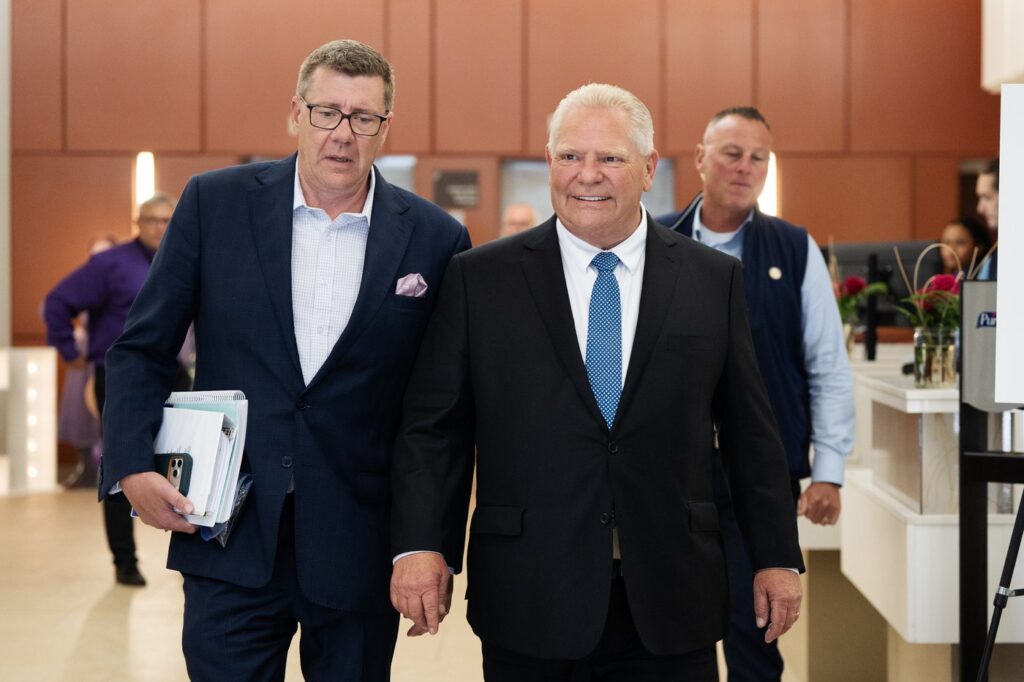
This announcement is particularly timely, as it coincides with U.S. President Donald Trump’s recent proposal to impose steep tariffs on Canadian beer, wine, and spirits. Ontario Premier Doug Ford and Nova Scotia Premier Tim Houston highlighted that these new duties underscore the urgency for Canadian provinces to reduce interprovincial trade barriers. Ford stated, “Today’s agreement will open new markets and new choice and convenience for producers and customers in Ontario and across Canada.”
Similarly, Alberta Premier Danielle Smith expressed that the new opportunities provided by this agreement would benefit her province's producers, advocating that the next step should focus on enabling barrier-free retail sales nationwide. In contrast, the Northwest Territories and Nunavut released a joint statement supporting the goal of dismantling trade barriers but refrained from signing the deal due to their unique circumstances. They pointed out that many communities in their territories have locally defined alcohol restrictions that reflect cultural values and community priorities, stating, “Respecting community self-determination is fundamental to how alcohol is managed in the North.”
Industry groups have lauded the announcement as a significant step forward. Dan Paszkowski, president of Wine Growers Canada, remarked that they have been advocating for such changes for nearly two decades. He described the agreement as a transformative step toward a truly national Canadian wine marketplace. The Canadian Federation of Independent Business (CFIB) also expressed its appreciation for the government's willingness to reduce trade barriers, noting that success will depend on ensuring low or minimal licensing and regulatory fees for direct-to-consumer sales. CFIB president Dan Kelly further encouraged the premiers to focus on expanding retail sales access across the country.
This report highlights the ongoing efforts by provincial leaders to make alcohol sales more accessible across Canada while balancing local customs and regulations. The collaborative endeavor aims to strengthen the Canadian economy through enhanced trade and consumer choice.