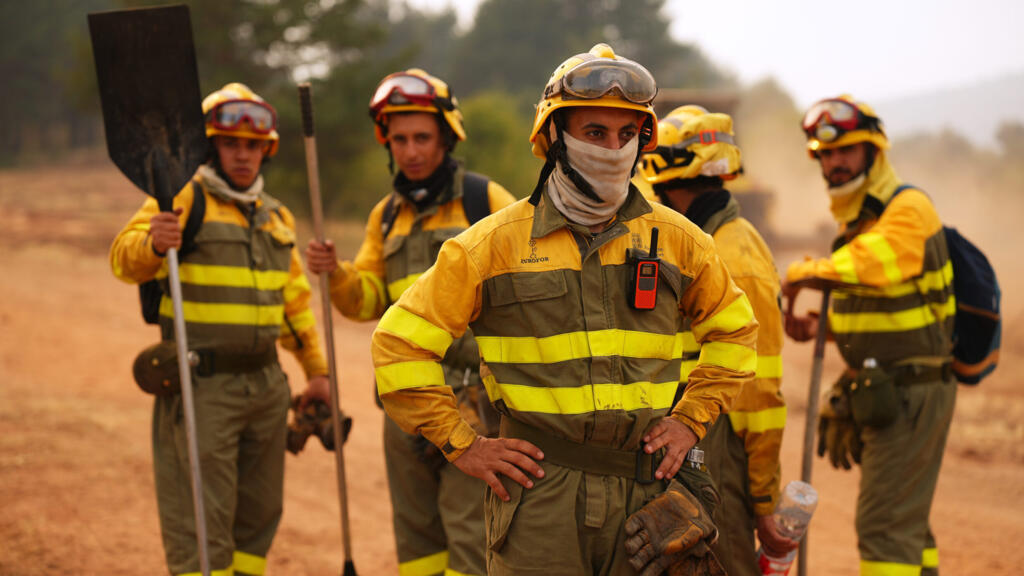
On a Tuesday in October 2023, nearly 1,000 firefighters and dozens of aircraft were deployed to combat a fast-moving wildfire in southern France. The blaze surged through approximately 1,700 hectares of land in just a few hours, prompting emergency evacuations for hundreds of residents in nearby areas. Authorities monitored the wildfire closely, issuing warnings about its rapid expansion, even as winds appeared to weaken somewhat. However, the region continued to experience extreme fire conditions that complicated firefighting efforts.
The wildfire broke out amidst unfavorable weather conditions, characterized by high temperatures and low humidity, which are known to exacerbate fire risks. The local government activated emergency protocols to ensure the safety of residents, leading to the evacuation of entire communities. Firefighters faced significant challenges, including difficult terrain and the fast-moving nature of the flames, which spread unpredictably, endangering lives and property.
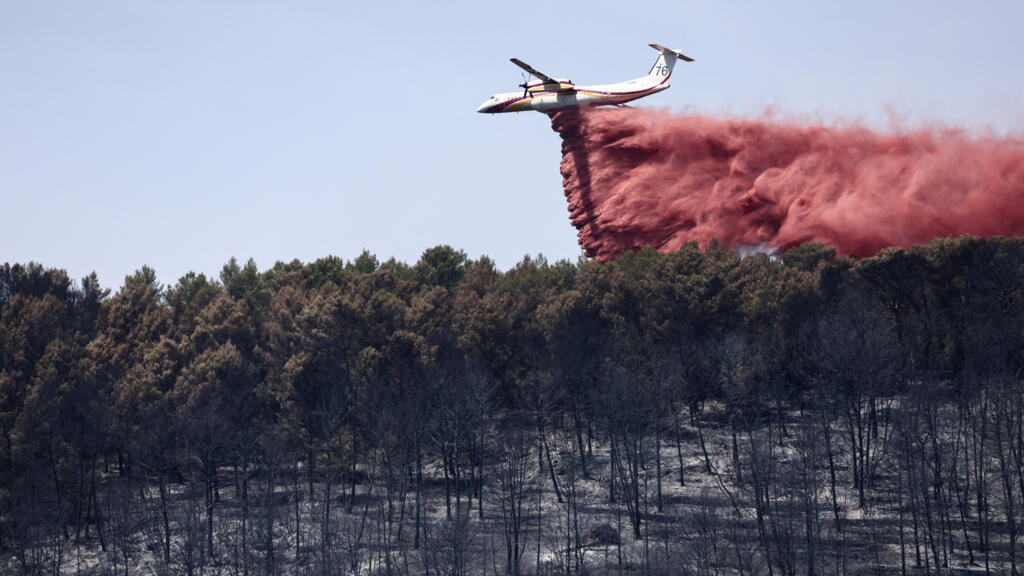
To assist in fighting the fire, aerial resources were employed, comprising water-dropping helicopters and firefighting planes. These aircraft played a critical role in attempting to contain the flames from above while ground crews worked tirelessly to establish fire lines and douse hotspots. Despite their efforts, the fire's intensity posed a significant threat, leading the authorities to continuously assess and adjust their strategies.
The local prefecture reported that while the winds had weakened, the extreme conditions made it difficult to track the fire’s progression accurately. Evacuation centers were set up to provide shelter for those displaced, emphasizing the need for rapid response and community support in the face of such destructive wildfires. Officials encouraged residents to remain vigilant and heed evacuation orders, as the situation remained precarious.
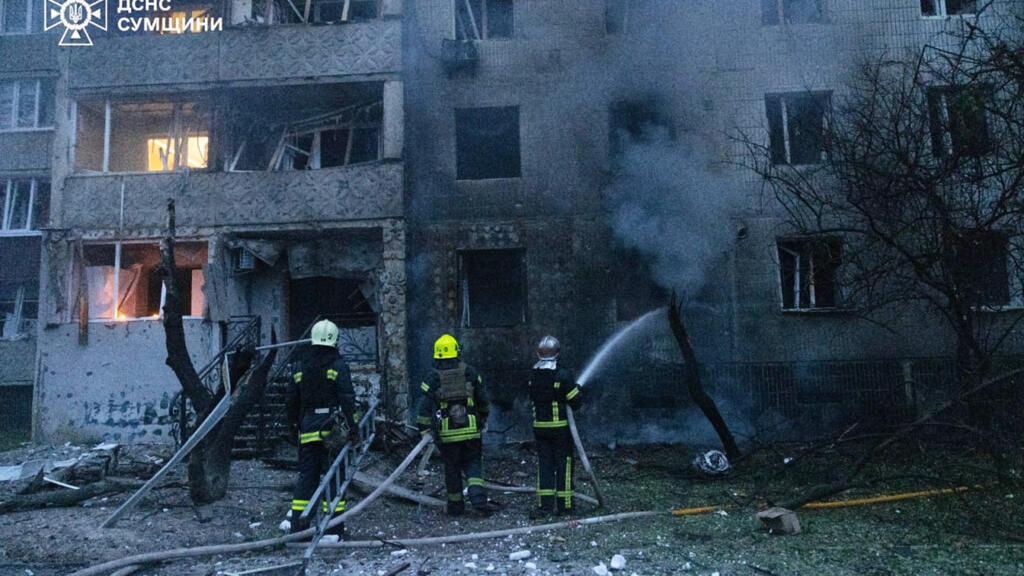
As the firefighting operations continued into the night, teams faced the ongoing challenge of containing the fire and protecting structures. The response illustrated the significant resources required to combat large-scale wildfires, highlighting the critical nature of inter-agency cooperation in emergency situations. Firefighters were determined to do everything possible to prevent further loss and protect the affected communities.
Looking at the broader picture, the wildfire in southern France served as a stark reminder of the increasing frequency and intensity of such natural disasters, which have been attributed to climate change. As the world grapples with these environmental challenges, the urgency for effective fire management strategies and community preparedness becomes ever more apparent, necessitating collaboration between local authorities, regional governments, and international firefighting resources.
The evolving wildfire situation in southern France was monitored closely by national and international agencies, as firefighters worked tirelessly to rein in the flames and safeguard communities. The courageous efforts of those battling the fire highlighted the significant risks associated with wildfires, underscoring the importance of continued investment in firefighting infrastructure and training.