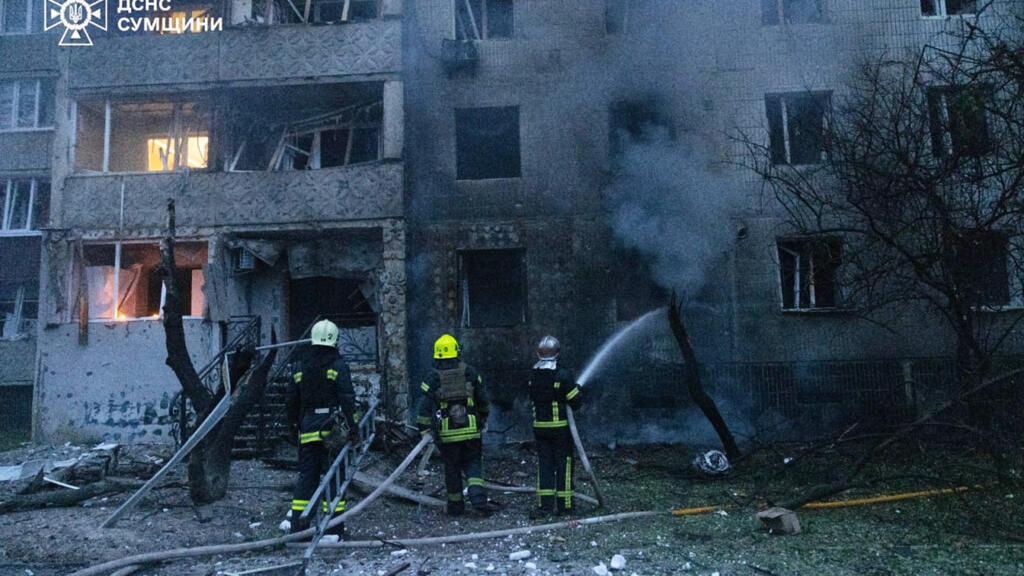
The conflict between Russia and Ukraine has escalated sharply in the first half of 2026, as confirmed by a recent United Nations report. The UN highlighted a significant increase in civilian casualties, both in terms of fatalities and injuries. This surge in violence can be attributed to intensified military operations from both Moscow and Kyiv, particularly focusing on air strikes aimed at crucial infrastructure amidst the ongoing war, which has now entered its fifth year.
In these turbulent months, both sides have ramped up their aerial assaults, leading to devastating impacts on civilian populations. The UN's alarming statistics reveal that the conflict's toll on civilians has reached unprecedented levels, putting immense pressure on humanitarian efforts in the region. As cities continue to be targeted, the toll on non-combatants is not only tragic but raises urgent questions about international response and intervention in the ongoing humanitarian crisis.
Moreover, the UN's report emphasizes the broader implications of this escalation. With infrastructure being a primary target, the long-term effects on the economy and living standards in Ukraine are dire. Families are being displaced, and basic necessities such as food and medical care are becoming increasingly scarce. The violence has not only disrupted everyday life but has also caused lasting psychological trauma among those caught in the crossfire.
The report calls for renewed international attention and action to address the urgent needs of the affected populations. As countries worldwide observe the conflict's deepening crisis, there are growing calls for leaders to push for a ceasefire and facilitate peace talks between the two nations. The international community's role is pivotal in mitigating the humanitarian disaster and fostering conditions that can lead to a resolution of the conflict.
In conclusion, the escalating conflict in Ukraine and Russia remains a pressing global concern, with civilian casualties mounting rapidly. As this situation continues to evolve, the need for a comprehensive and collaborative approach to support those affected is more critical than ever.