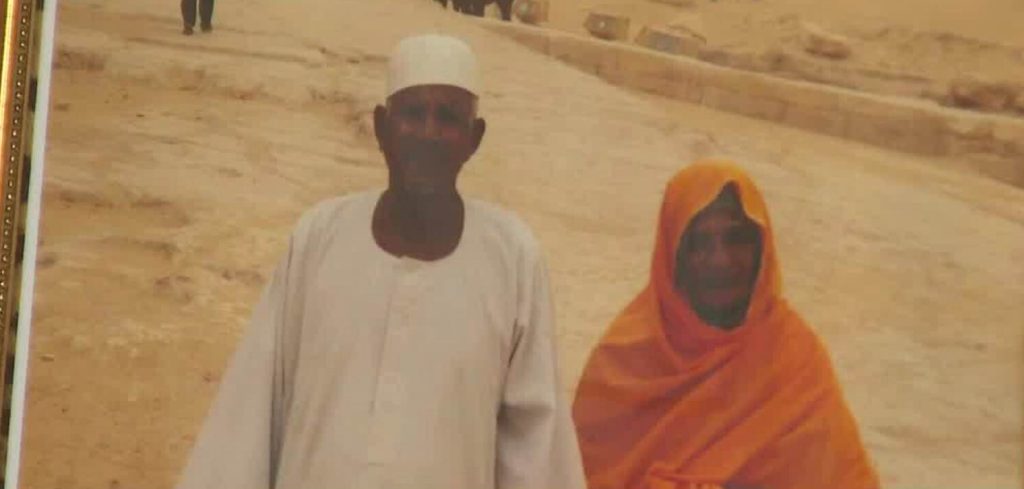
For many Muslims worldwide, Ramadan serves as a time for family gatherings and reflection. However, for Sudanese Canadian El Bagir Abdulkarim, this year's observance carries a heavy burden of grief following the passing of his mother. She was in the process of being sponsored to immigrate to Canada when her life was tragically cut short.
Abdulkarim shared that his mother, who had been battling a serious illness, managed to escape from Sudan to Egypt. Unfortunately, it was in Egypt where she passed away. "Mother died fleeing the Sudan war while waiting to come to Canada," Abdulkarim expressed in an interview with OMNI News. "It's going to be very tough. Even though we remembered her last night, because she was telling stories to my kids about Ramadan and reminding us about the value of sharing and helping others."
Abdulkarim's frustration is palpable as he discusses the delays in processing immigration applications for those escaping conflict zones like Sudan. He submitted his mother’s application in March 2024, but she succumbed to her illness a year later while still waiting for the approval of her file. Abdulkarim attributes the added stress and deterioration of her health to the arduous journey she undertook to flee the war, particularly the separation from her family.
"She got very sick, and that affected her movement and her speech," he recounts, detailing the challenges they faced during their escape from Khartoum to northern Sudan, followed by his attempts to facilitate her travel to Egypt.
In addition to the emotional toll, Abdulkarim revealed the financial burden associated with sponsoring his mother under the Sudan Permanent Resident pathway, which amounted to nearly $10,000. After her passing, this amount was refunded, but Abdulkarim remains perplexed by the systemic issues within the Canadian immigration process. He questioned why individuals fleeing war zones do not receive the same expedited pathways to Canada that have been afforded to refugees from other crises, such as those from Ukraine.
He voiced his concerns directly to Immigration, Refugees and Citizenship Canada (IRCC), asking, "Why did they categorize our program under the permanent resident? Why didn’t they apply the same mechanisms to assist those from Sudan?"
In response, IRCC acknowledged that the program was designed to provide a long-term and stable solution for individuals with family members in Canada. They asserted that this program was introduced alongside various permanent and temporary measures to support refugees. However, they also noted that when the demand for a specific pathway surpasses the established capacity for a given year, it results in extended processing times.