Hungary's Parliamentary Election Set for April 12
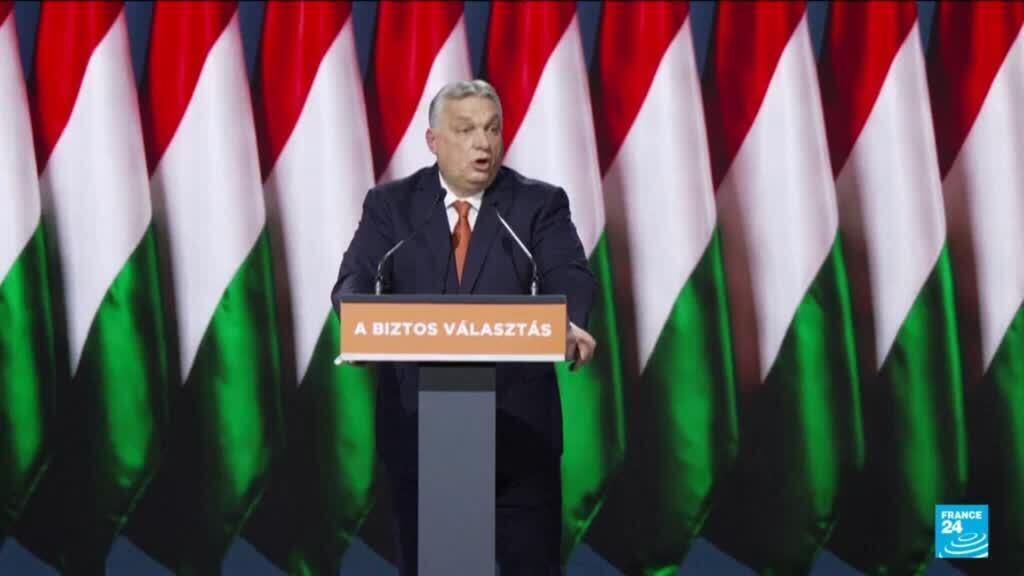
Hungary is gearing up for a crucial parliamentary election scheduled for April 12, marking a significant moment in the country's political landscape. The upcoming election is anticipated to be a decisive challenge for Prime Minister Viktor Orbán, who has held office for an impressive 16 years. This election represents a potential turning point, as various factors indicate that Orbán may encounter unprecedented obstacles.
In recent years, Orbán's Fidesz party has maintained a strong grip on Hungary's political environment. However, the opposition has gathered momentum, fueled by widespread dissatisfaction with the government's handling of critical issues. Elements such as economic performance, public health, and the state of democracy have become focal points of contention. As Hungarians head to the polls, these issues are likely to heavily influence voter sentiment and turnout.
Opposition parties have formed alliances to challenge Orbán's party more effectively, reflecting a strategic shift aimed at consolidating their support base. These coalitions include various political factions that have put aside their differences for a common goal — dethroning Orbán. This unity among the opposition is unprecedented and has the potential to reshape the power dynamics in the country, making this election particularly noteworthy.
The campaign leading to the elections has been marked by heightened tensions and political rhetoric. Orbán, known for his populist style, has sought to galvanize his supporters by emphasizing national sovereignty and conservative values. In contrast, the opposition is focusing on social justice, democratic governance, and economic reform, appealing to a wide range of voters who may feel alienated by the current government’s policies.
Furthermore, external factors like the ongoing effects of the COVID-19 pandemic and rising inflation have added layers of complexity to the voter landscape. Many Hungarians are concerned about healthcare and economic stability, and how effectively the government has managed these crises will play a pivotal role in shaping voter opinions. The outcomes related to these pressing issues could be decisive for both the electorate and the political future of Orbán's administration.
The international focus on Hungary has also intensified, as observers monitor how democracy is functioning under Orbán's leadership. The European Union has raised concerns about rule of law and democratic backsliding within Hungary, making it an area of scrutiny for many voters who value democratic principles. The implications of this scrutiny might influence the electorate as they consider the future direction they want for their country.
As the election date approaches, Hungary stands at a crossroads. Voters will have the opportunity to decide whether they want to continue down the path established by Orbán or to support a shift towards a different governance model, one that is more aligned with the principles embraced by the opposition. The stakes for this election are high, not only for Hungary's immediate political climate but also for its long-term future within the European context and beyond.
In summary, the April 12 parliamentary elections are poised to test the resilience of Viktor Orbán's long-standing rule in Hungary. With a united opposition, growing public discontent, and critical national issues at the forefront, the outcome may herald a new chapter for the nation. Observers are keen to see how these elements will unfold in what promises to be a significant electoral showdown.