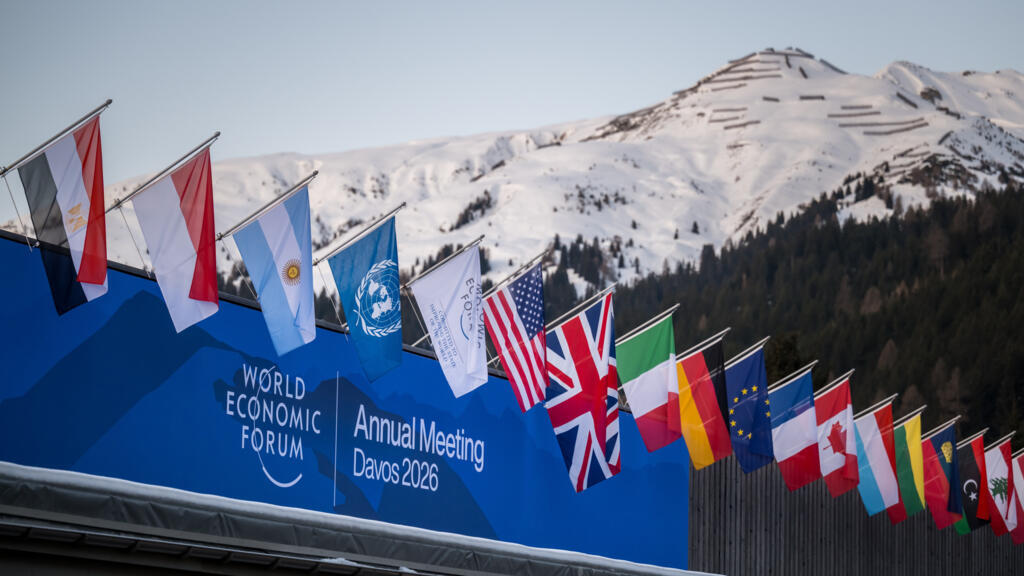
European Leaders Prepare for Davos Amid Transatlantic Tensions
European leaders are set to take center stage at the World Economic Forum in Davos on Tuesday, aiming to address and stabilize the increasingly fragile transatlantic relations, especially in the wake of the White House's shifting policies under President Donald Trump. With the U.S. president expected to make a significant appearance, discussions will likely focus on the growing pressures surrounding trade and diplomatic relations between the United States and the European Union.
Trump’s upcoming arrival at the forum brings with it a wave of anticipation and unease among European leaders, particularly due to his recent tariff threats directed at the EU, which he has linked to ongoing discussions about Greenland. The president's hardline stance is causing ripples within the diplomatic circles of Europe, pushing leaders to strategize their responses to safeguard their interests and maintain unified transatlantic partnerships.
The contentious backdrop of trade has been a dominant theme in transatlantic relations since Trump took office, with his administration applying tariffs on various goods imported from Europe, claiming they negatively impact American industry. This week at Davos, the stakes are higher as Trump seeks to reaffirm his administration's strict trade policies while openly challenging European counterparts on economic terms.
As the forum unfolds in the Swiss Alps, European officials have expressed a desire to enter discussions with a renewed sense of cohesion. They are expected to advocate for a balanced approach that emphasizes collaboration and mutual benefit, rather than the confrontational style that has characterized much of Trump's engagement with allies. This is viewed as crucial not only for trade but also for issues such as climate change, security, and economic stability, which require collective action and agreement.
The timing of the forum is particularly pertinent, as tensions continue to simmer over various geopolitical issues that require immediate attention from global leaders. With rising nationalism and protectionist measures becoming more pronounced, European leaders are keen to reinforce their commitment to multilateralism and open markets, which stand in stark contrast to Trump's 'America First' doctrine. By coming together in Davos, European political figures plan to present a united front, potentially counterbalancing the pressure emanating from Washington.
Furthermore, the potential for new tariffs on European products could threaten the economic recovery seen across the continent in recent years. EU leaders are acutely aware that prolonged trade disputes and uncertainty can stifle economic growth and harm their export-driven economies. As they prepare to engage with Trump, European representatives will likely emphasize the importance of mutual respect and collaboration in resolving economic grievances.
The Davos agenda will also include discussions on global economic forecasts, innovation, and sustainability, all areas where European leaders seek to identify common ground with their American counterparts. As the global economy faces significant challenges, including the impacts of the COVID-19 pandemic and climate change, the need for cohesive international strategies has never been more pressing. European leaders want to ensure that their discussions with the U.S. remain productive and focused on long-term solutions rather than short-term skirmishes over tariffs.
As Davos progresses, the interactions between European leaders and President Trump will likely set the tone for transatlantic relations in the forthcoming months. The outcome of these high-profile discussions may hold implications not only for trade but also for broader geopolitical alignments as the world grapples with complex global issues.