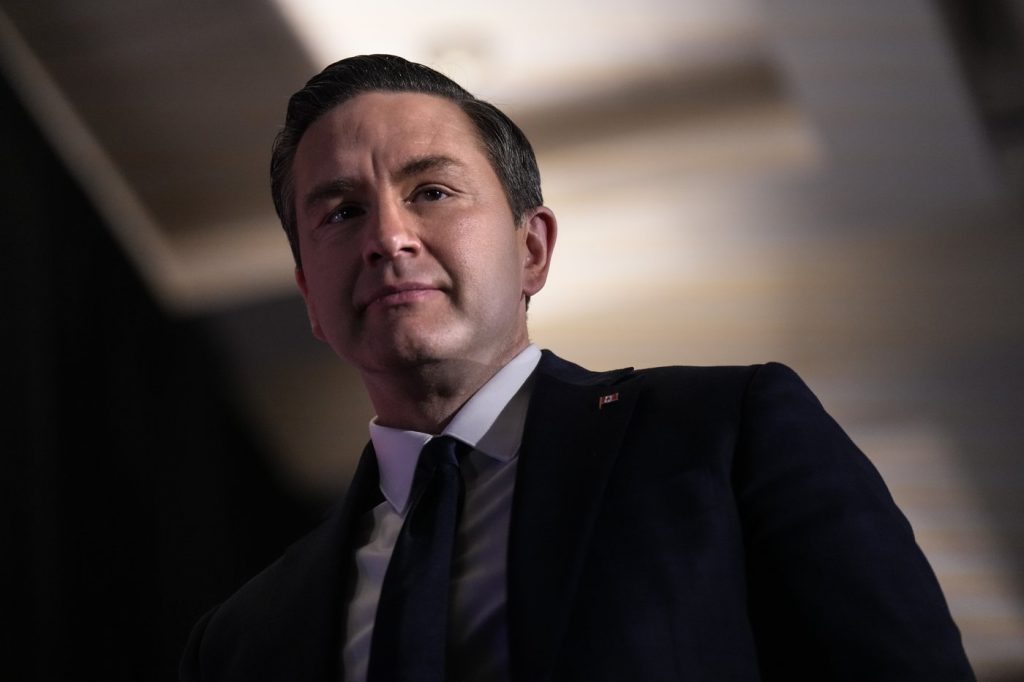
OTTAWA Conservative Leader Pierre Poilievre has expressed substantial reservations regarding Prime Minister Mark Carney's suggestion for a new parliamentary budget officer (PBO). In a letter shared on social media, Poilievre urged the government to appoint the current interim PBO, Jason Jacques, to the role permanently. He claims to have been informed about the name of the proposed appointee but chose not to reveal it in his correspondence with Carney.
Jason Jacques, who was appointed as the interim PBO for a six-month term, saw his tenure end recently on Monday. Currently, with no budget officer in place, the parliamentary budget office is unable to publish new reports or accept new requests for work from parliamentarians, thereby limiting its functionality. Nevertheless, the office will continue to fulfill existing requests while it awaits the appointment of a new budget officer.
Poilievre highlighted that he only learned about Prime Minister Carney's suggested candidate for the permanent role on Sunday. He emphasized the importance of having a budget officer in place, stating that the office "cannot provide oversight and transparency" until a new officer is officially appointed. Furthermore, Poilievre described Jacques as having "rang the alarm bells" during his interim period, advocating for his permanent appointment following his effective oversight.
In response to Poilievre's concerns, Laura Scaffidi, a spokesperson for the Prime Minister's Office, clarified that Jacques was appointed on an interim basis for six months to facilitate an "open, transparent, and merit-based selection process" for a permanent parliamentary budget officer. Scaffidi confirmed that the government has already put forward a nominee for the full-time position and has been engaging in discussions with recognized parliamentary parties since Sunday regarding this nomination, in accordance with the Parliament of Canada Act.
She stated, "Once consultations have concluded, the government will table its nominee in the House of Commons and in the Senate." This indicates that the process for appointing a new budget officer is actively underway and that the government is adhering to established protocols for nominations.
This political discourse highlights the tension and urgency surrounding the necessity of appointing a budget officer who can ensure fiscal accountability and transparency in government spending. The transitional phase of having an interim officer continues to be a point of contention as the government navigates the selection of a permanent appointee. The situation illustrates not only the procedural aspects of parliamentary appointments but also the implications for oversight functions in the context of public finance and government accountability.