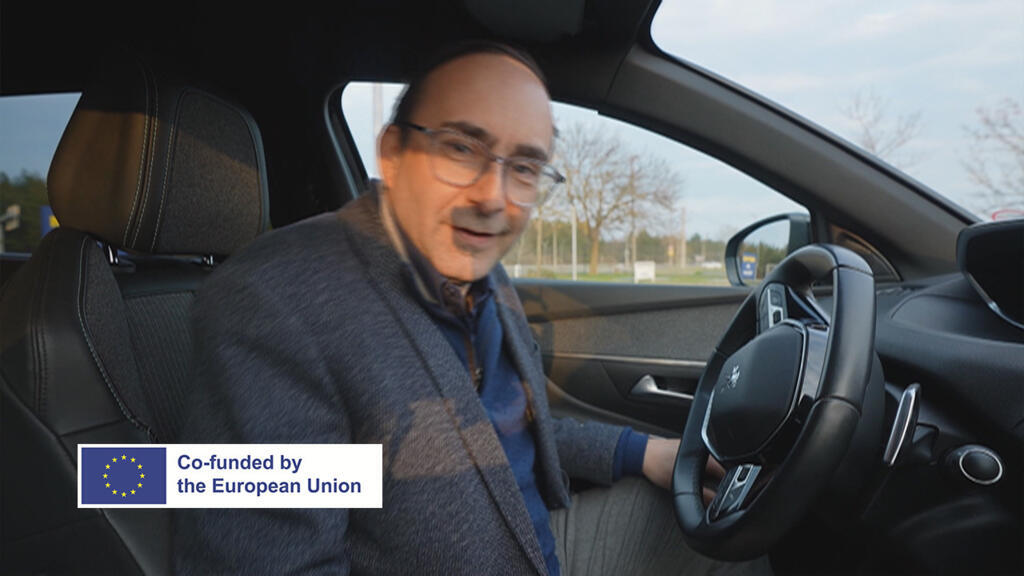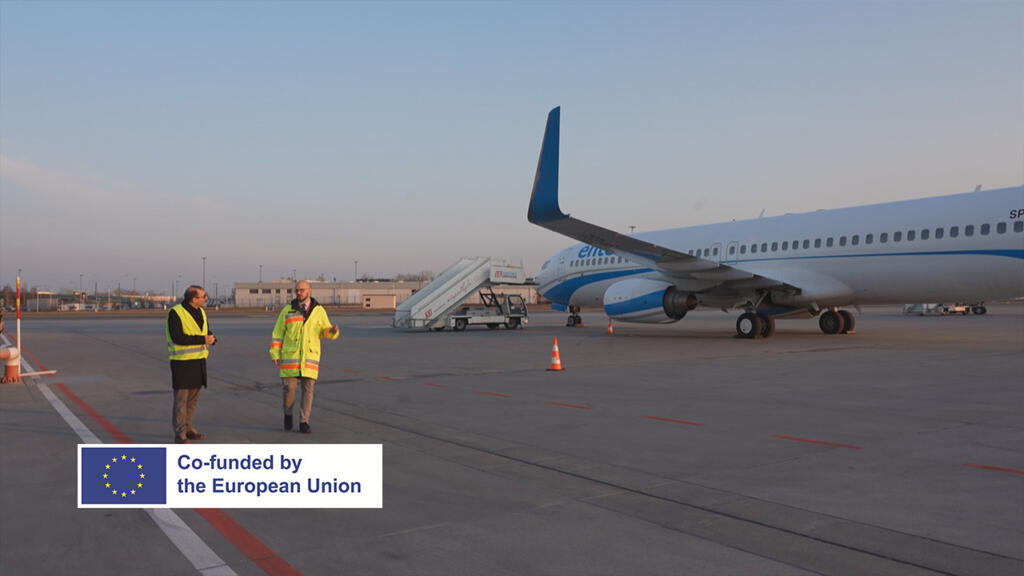
In this engaging two-part series, presenter Armen Georgian embarks on a comprehensive journey through the European Union, highlighting mobility and transport projects that have been funded by the EU's cohesion policy. With a significant budget of €63.2 billion allocated for the 2021-2027 period, the EU is leveraging its cohesion funds to enhance transport infrastructure across member states, aiming to foster connectivity and economic growth.
Georgian's exploration spans multiple countries, including France, Austria, Poland, and Hungary, showcasing how diverse transport networks are being developed. The journey is not only informative but also showcases the different modes of transportation that are being improved or introduced thanks to these EU investments. The series incorporates a unique perspective by featuring seven distinct means of transport: train, plane, metro, tram, bicycle, scooter, and car, thus providing a holistic view of mobility options available to citizens and visitors alike.
As Armen traverses through France, he highlights the advancements in high-speed rail networks, which are pivotal in reducing travel time between major cities. This mode of transport not only promotes convenient travel but also serves as a sustainable alternative to road transport. Moving on to Austria, he examines urban transport developments, particularly the expansion of metro systems that facilitate efficient commuting in bustling metropolitan areas.
In Poland, Georgian showcases innovative tram systems that connect urban centers while providing essential links to suburban areas. This focus on trams underscores the EU's commitment to promoting public transport solutions that reduce road congestion and lower carbon emissions. The enthusiasm surrounding these projects reflects a broader goal of enhancing urban mobility while creating environmentally friendly alternatives for citizens.
Hungary features prominently in the series, where Armenian investigates various transport initiatives aimed at improving connectivity between rural and urban areas. The country's investment in bicycle lanes and scooter-sharing programs illustrates a shift towards greener urban mobility solutions that encourage citizens to opt for non-motorized transport options when feasible.
Throughout the series, Armenian effectively illustrates how EU cohesion funds are not merely financial investments but rather initiatives that tie together diverse communities across Europe. The integration of these transport projects plays a crucial role in ensuring that all regions, regardless of their economic status, benefit from enhanced mobility. This holistic approach provides a clearer understanding of the overarching mission behind the EU’s cohesion policy.
Overall, the journey depicted by Armen Georgian serves as a powerful reminder of the importance of developing interconnected transport networks across the European Union. By investing in various modes of transport, the EU aims to bolster economic development, meet climate targets, and improve the quality of life for its citizens. Each transport mode, from trains to scooters, exemplifies a thoughtful strategy towards creating sustainable transport that is accessible to all, underscoring the EU's commitment to fostering a more cohesive and connected Europe.
```