The Rise of Far-Right Violence in Post-Wall East Germany
In the aftermath of the Berlin Wall's fall in 1989, Germany transitioned from a divided nation into one unified under a newfound democratic regime. However, this significant socio-political change was accompanied by a troubling rise in far-right violence, particularly in the eastern regions of the country. This era, often referred to as the "baseball bat years," marked a dark chapter in German history, characterized by a surge in racist attacks and political violence that deeply impacted society and left lasting scars.
The fall of the Berlin Wall symbolized hope for many East Germans, who had long lived under a regime that suppressed freedom of speech and political expression. However, as East Germany integrated into a unified Germany, a sense of disorientation and loss was felt by some segments of the population. With the sudden exposure to new ideas and cultures, a reactionary movement began to emerge among those who felt threatened by the rapid changes. This sense of displacement fueled a rise in xenophobia and far-right ideologies.
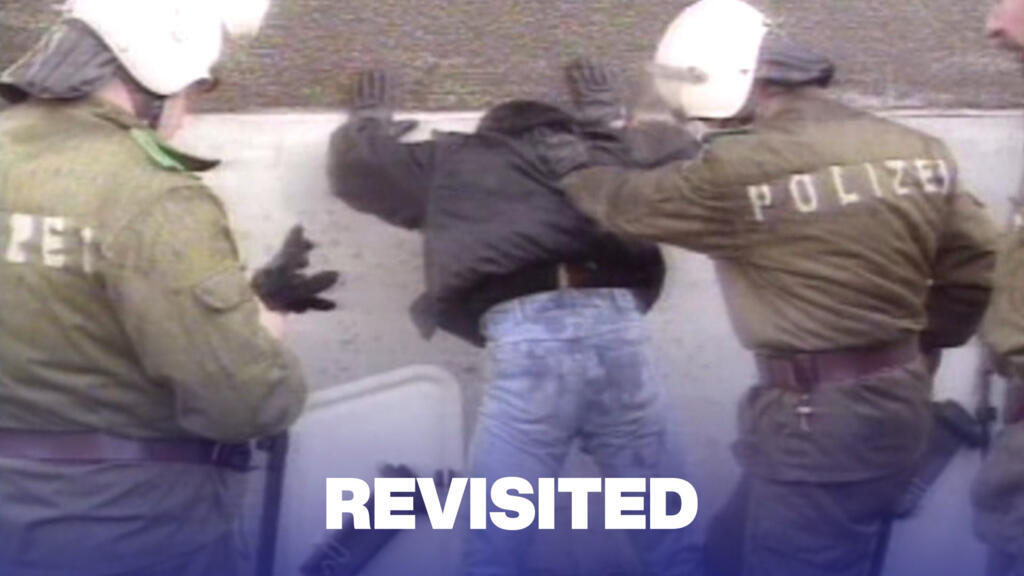
Throughout the 1990s, there were numerous violent incidents attributed to far-right groups. These often involved brutal beatings and physical assaults, primarily against immigrants and ethnic minorities. The term "baseball bat years" accurately captures the tactics used by neo-Nazi thugs and white supremacists during this period, as they often wielded bats and other improvised weapons in their attacks, leaving victims severely injured and traumatized.
The incidents were not isolated to one specific area but occurred across various cities in former East Germany, including towns like Rostock, where the notorious 1992 attacks on asylum seekers drew international attention. In Rostock, demonstrators rallied against a housing project for refugees, resulting in violence that saw rioters setting fire to the building and attacking anyone associated with the project. This incident exemplified the climate of fear and hostility that engulfed many communities during this time.
The political landscape of the time also played a role in exacerbating these tensions. As the unified Germany grappled with economic struggles and high unemployment rates, particularly in the former East, many disillusioned citizens turned to fringe far-right political parties for answers. These parties capitalized on social anxiety and discontent by promoting anti-immigrant rhetoric that resonated with a segment of the population looking for scapegoats to blame for their struggles.
As the violence escalated, it became impossible for the authorities to ignore. The German government began to take measures to combat the rise of far-right extremism. Legislative actions were introduced aimed at curtailing hate speech and improving the rights of immigrants and minorities. Additionally, increased police presence in areas prone to violence was implemented to protect vulnerable communities.
Despite these efforts, the legacy of the "baseball bat years" continued to haunt Germany into the 21st century, with far-right groups still active and occasionally resorting to violence. The resurgence of nationalist sentiments and anti-immigrant attitudes, particularly in light of the European refugee crisis beginning in 2015, indicates that the issues surrounding far-right extremism remain part of the political discourse in Germany today.
In recent years, Germany has continued to grapple with the implications of its past, recognizing the need for continued vigilance against the rise of hate and violence. Educating younger generations about the dangers of extremism and promoting social cohesion has become essential in ensuring that history does not repeat itself. The "baseball bat years" serve as a stark reminder of the consequences of societal upheaval when prejudice and violence are allowed to take root.