Prime Minister Mark Carney has stated that Canada cannot rule out any potential military involvement in the escalating conflict in the Middle East. During a joint press conference with Australian Prime Minister Anthony Albanese in Canberra, Carney referred to the issue of Canada’s possible participation in military actions as a "fundamental hypothetical," emphasizing that the conflict has the potential to expand significantly.
Carney asserted, "One can never categorically rule out participation," reaffirming Canada's commitment to stand by its allies when necessary. He highlighted the difference between the offensive military actions undertaken by the United States and Israel, which were conducted without consultation with Canada and other allies, clarifying that Canada is not involved in those operations.
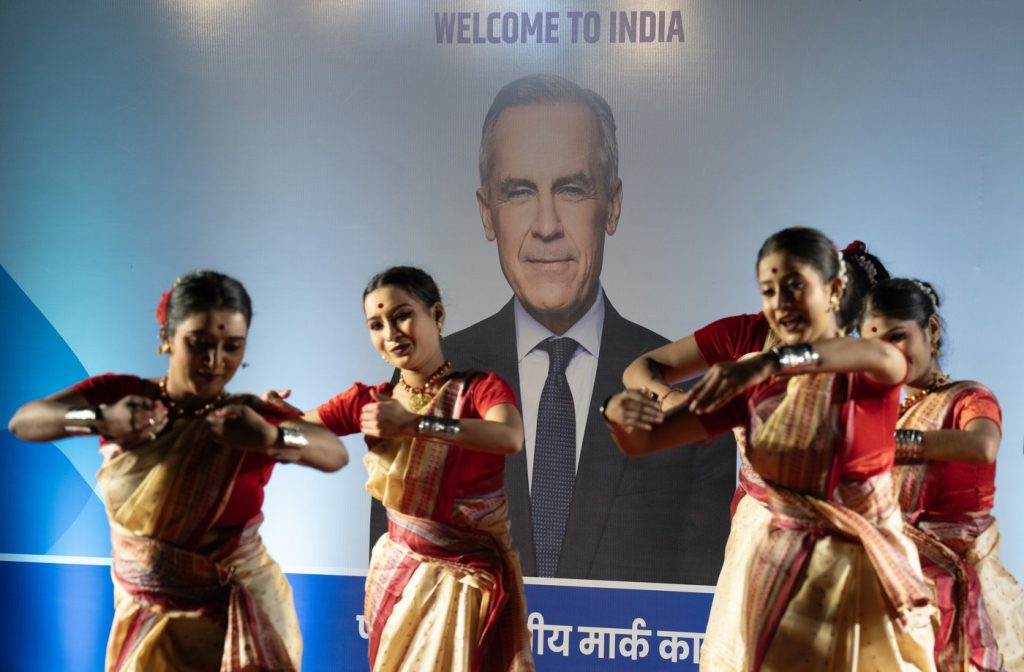
Following American and Israeli military attacks in Iran that resulted in the death of its leader, Carney expressed support for U.S. actions but noted that Canada would not directly engage in the military conflict. He stated, "Canada supports the United States acting to prevent Iran from obtaining a nuclear weapon and to prevent its regime from threatening international peace and security," a position he clarified during his visit to India.
However, Carney has adjusted his stance, indicating that Canada’s involvement is more nuanced than outright support. He expressed that Canada must confront the world's realities, acknowledging the conflict as a troubling symptom of failing international order. Carney remarked, "It appears that these actions are inconsistent with international law," which underscores his cautious approach to the situation.
When addressing whether he should have called for a ceasefire earlier, Carney maintained that calling for de-escalation was no immediate necessity, given the complexity and volatility of the situation. He stated, "It is a very volatile, it’s an extremely complex situation, it’s getting more complex as time goes on." His primary concern remains that Iran should not be permitted to develop nuclear weapons.
Experts suggest that Canada might still find itself drawn into the conflict due to pressure from U.S. President Donald Trump or Gulf Nations. Fen Osler Hampson, an international relations scholar, noted that Carney's statements reflect a careful balancing act to avoid alienating the unpredictable U.S. president while navigating an increasingly precarious geopolitical environment. Hampson criticized Carney for what he perceives as "studied ambiguity," indicating the government's attempt to mitigate backlash from both American and Canadian constituents regarding military engagement.
Stephen Saideman, a defense expert at Carleton University, echoed these sentiments, suggesting that Carney's evolving rhetoric aligns with the shifting objectives of the United States and avoided becoming entrenched in a conflict with uncertain outcomes. He remarked that Canada must distance itself from actions that could relate to war crimes or unpopularity domestically.
Historically, Canada has been opposed to Iran’s actions, particularly its human rights violations. The government has maintained a stance of requiring United Nations approval for any military actions against sovereign nations. Observers have noted that the current government’s foreign policy seems wary of triggering conflicts with the United States, given the importance of the North American trade agreements to Canada's economy.
Hampson indicated that Trump's stance on trade deals could influence military relations, suggesting that Canada might be pressured to contribute military support even in non-combat roles to maintain favorable trade relations. This is particularly relevant given the importance of the Strait of Hormuz for global oil and gas shipments, where tensions have escalated, and U.S. plans for naval patrols could demand cooperation from allies, including Canada.
Amid these complexities, there are concerns regarding the safety of Canadian forces should they be deployed to the region. Tehran has recently characterized Canada’s naval presence as a terrorist organization, resulting in heightened risks for any Canadian military personnel operating in proximity to Iranian assets.
While Carney and Foreign Affairs Minister Anita Anand have expressed a desire for diplomatic engagement in the Middle East, analysts question the effectiveness of Canada in this role, given the severed diplomatic relations with Iran since 2012. The responses from various experts suggest that Canada's positioning in the conflict remains precarious, with implications for its foreign policy as it balances international pressures and domestic opinions.
In conclusion, while Canada seeks to contribute to diplomacy in the Middle East, its potential military involvement remains fraught with complications, reflecting the deeply intertwined nature of global political dynamics. As tensions continue to rise, Canada's approach will need to be continuously reevaluated in the context of its diplomatic relationships and international responsibilities.