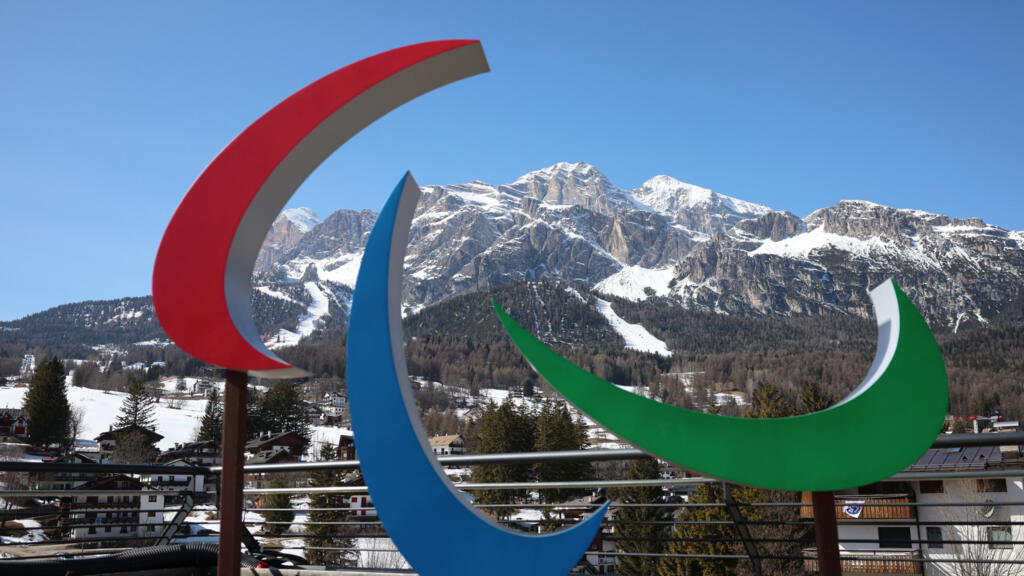
The Milan-Cortina Winter Paralympics, scheduled to commence on Friday, are currently enveloped in controversy. This controversy primarily stems from the decision allowing Russian and Belarusian athletes to compete under their national flags for the first time since 2014, which has triggered significant backlash from various countries. As a result, several nations have announced a boycott of the opening ceremony in protest of this decision.
In the wake of Russia's invasion of Ukraine in February 2022, the International Paralympic Committee (IPC) faced immense pressure to exclude Russian and Belarusian athletes from international competitions. However, after extensive discussions and deliberations, the IPC ultimately decided to permit these athletes to participate, leading to an uproar in the global sports community. Critics argue that allowing athletes from these countries to compete under their flags undermines the values of the Paralympic Movement, particularly in light of ongoing geopolitical tensions.
The decision has resulted in a divide among nations; while some countries have chosen to embrace inclusion and support for athletes, others reject the IPC's stance firmly. Countries that have publicly announced their withdrawal from the opening ceremony include the United States, Canada, and several European nations, all voicing concerns about the moral implications of this decision.
The boycotting nations stress the importance of standing in solidarity with Ukraine and opposing actions that are perceived as normalizing the participation of athletes from nations that have recently engaged in aggressive military actions. These countries have pointed out that allowing Russian and Belarusian athletes to march under their flags sends a disheartening message to those affected by the ongoing conflict.
In counterarguments, supporters of the IPC's decision emphasize the principle of inclusion and the importance of recognizing athletes' rights to compete, irrespective of their political situations. They claim that penalizing individual athletes for their countries' actions goes against the spirit of the Paralympics, which aims to promote equality and sportsmanship. The IPC has reiterated its commitment to this philosophy, suggesting that sports should serve as a platform for unity rather than division.
As the opening ceremony looms, the fringe discussions about sports ethics, nationalism, and inclusion take center stage. The controversy surrounding the Milan-Cortina Winter Paralympics reflects broader societal debates about how to navigate and balance inclusivity in sports with geopolitical conflicts. As nations grapple with these issues, the impact on the event's atmosphere and its reception is yet to be determined.
Furthermore, this situation may have a lasting effect on the future of international sports, particularly in accommodating or excluding athletes based on their countries' political affiliations. The reactions, both supportive and dissenting, are likely to influence policies in other sporting organizations in the years to come, setting a precedent for how these complex issues will be approached moving forward.
In conclusion, the Milan-Cortina Winter Paralympics are set against a backdrop of significant political controversy that has not only prompted protests but also induced critical discussions about ethics in sports. As the ceremonies commence, the eyes of the world will be watching how this unprecedented situation unfolds.
```