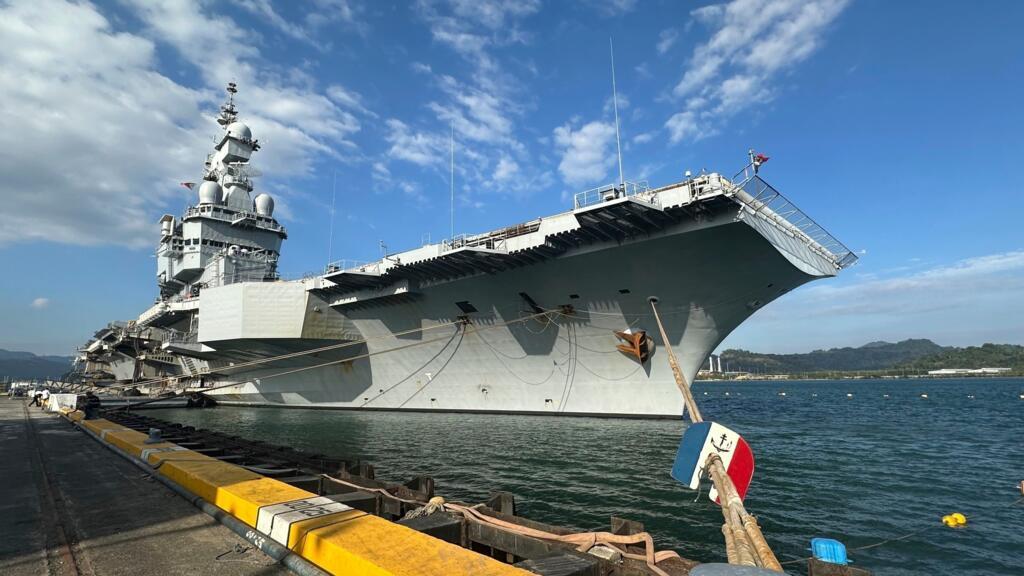
Italy, France, Spain, and the Netherlands have announced their decision to deploy naval assets to Cyprus in response to a recent incident involving an Iranian-made drone that struck a British military base located on the island. This move, as outlined by Italy's Defense Minister, reflects the heightened tensions in the region, particularly in light of ongoing conflicts involving Iran. The attack has raised concerns among European nations, prompting a collaborative military response to reassure their presence in the Mediterranean and protect their interests.
According to the statements made by defense officials, the naval deployment aims to bolster security around Cyprus, which has become increasingly significant amid rising geopolitical tensions. The involvement of multiple European nations highlights the seriousness of the situation and their commitment to maintaining stability in the Mediterranean region. Cyprus, strategically located, serves as a critical point for military operations and logistics in the area.
In addition to the naval deployments, France has also announced its intention to facilitate access for US aircraft to several of its military bases in the Middle East. This decision indicates a unified front among Western nations concerning their stance on Iran's actions and the broader conflict in the region. France's willingness to support US operations reflects a collaborative approach to addressing threats while ensuring the safety of international military assets.
This collective military response by Italy, France, Spain, and the Netherlands signals a shift in European defense strategies, particularly in relation to Iran's increasing influence and aggressive military capabilities. The presence of naval forces in Cyprus will not only serve as a deterrent against further attacks but also provide vital support for any potential humanitarian missions or peacekeeping operations that may be necessary in the future.
As the situation develops, the European nations involved will need to navigate complex diplomatic waters, balancing military readiness with the need for dialogue and potential resolutions to conflicts. The deployment of naval assets and the collaboration with the United States indicate a robust approach to ensure that international regulations and security standards are upheld in the Mediterranean.
Overall, the coordinated military response by Italy, France, Spain, and the Netherlands underscores the critical nature of international cooperation in times of geopolitical uncertainty. The European nations are taking proactive measures to safeguard their interests, and the developments in Cyprus may set the tone for future engagements in the region.