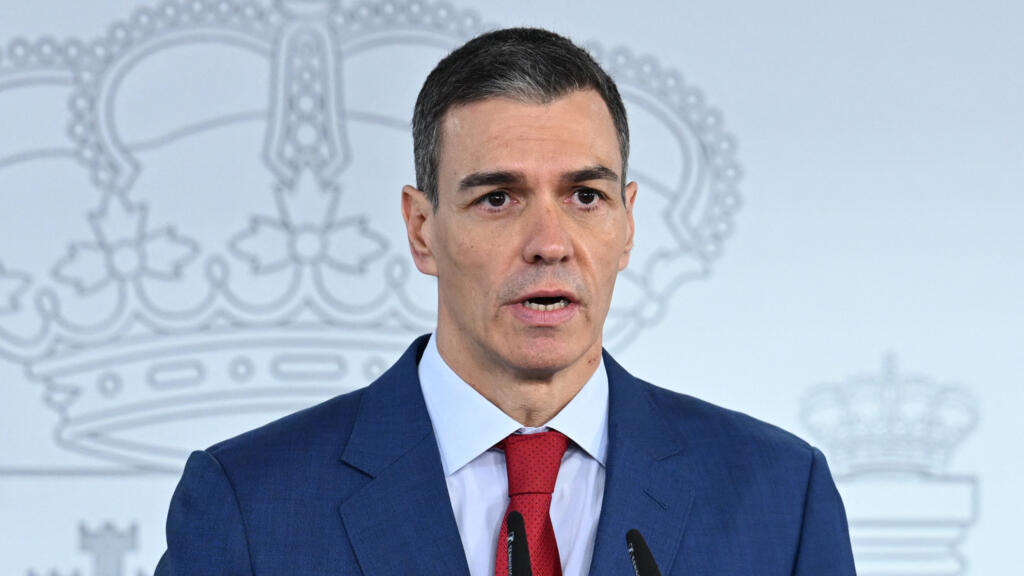
Spain's Prime Minister, Pedro Sanchez, delivered a bold address on Wednesday, expressing his strong disapproval of the military actions undertaken by the United States and Israel in Iran. Amid growing concerns over escalating tensions in the Middle East, Sanchez emphasized that the situation was becoming increasingly perilous, likening it to "playing Russian roulette" with the lives of millions of individuals. This remark encapsulated his deep concern for the potential humanitarian impact of the ongoing conflict.
In his televised address, Prime Minister Sanchez reiterated Spain’s commitment to diplomacy and dialogue as the preferred means of resolving international disputes. He criticized the aggressive military posture of both the U.S. and Israel, highlighting the broader implications of their actions not just for the regional stability but also for global peace and security. Sanchez's statements came at a time when tensions in the Middle East have reached a fever pitch, raising alarms about the potential for widespread violence and suffering.
Furthermore, Sanchez made it clear that he would not yield to trade pressures from Washington. This statement signifies Spain’s intent to maintain its sovereignty in foreign policy matters, especially when it comes to military interventions and economic negotiations. He underscored Spain's stance on the necessity of addressing the root causes of conflict, rather than exacerbating situations through military involvement.
The Prime Minister's remarks are particularly significant given the backdrop of international relations, where many nations are grappling with the implications of the U.S. and Israeli strategies in Iran. Sanchez’s defiance signals a potential shift in how European leaders may approach their relationships with the United States in light of controversial military actions that spark human rights concerns.
As the international community watches closely, Sanchez's pronouncements aim to rally support within Spain and among European allies for a more measured and diplomatic approach to the crises in the Middle East. This approach represents a stark contrast to the hardline stances taken by some other world leaders who have chosen to align closely with U.S. policies.
In summary, Prime Minister Pedro Sanchez's address highlights Spain's position in the evolving geopolitical landscape and reflects a growing desire among some nations to prioritize dialogue over military intervention. As tensions persist, the outcomes of these decisions and the responses from the U.S. and Israel will likely shape future diplomatic relations and regional stability.
```