In a recent ruling, Judge Paul A. Engelmayer determined that U.S. Representatives Ro Khanna, a Democrat from California, and Thomas Massie, a Republican from Kentucky, do not have the legal standing to intervene in Ghislaine Maxwell's ongoing sex trafficking case. Their request aimed to appoint a court observer to ensure that the Justice Department complies with the Epstein Files Transparency Act, which was enacted to mandate the release of files related to Jeffrey Epstein and Ghislaine Maxwell.
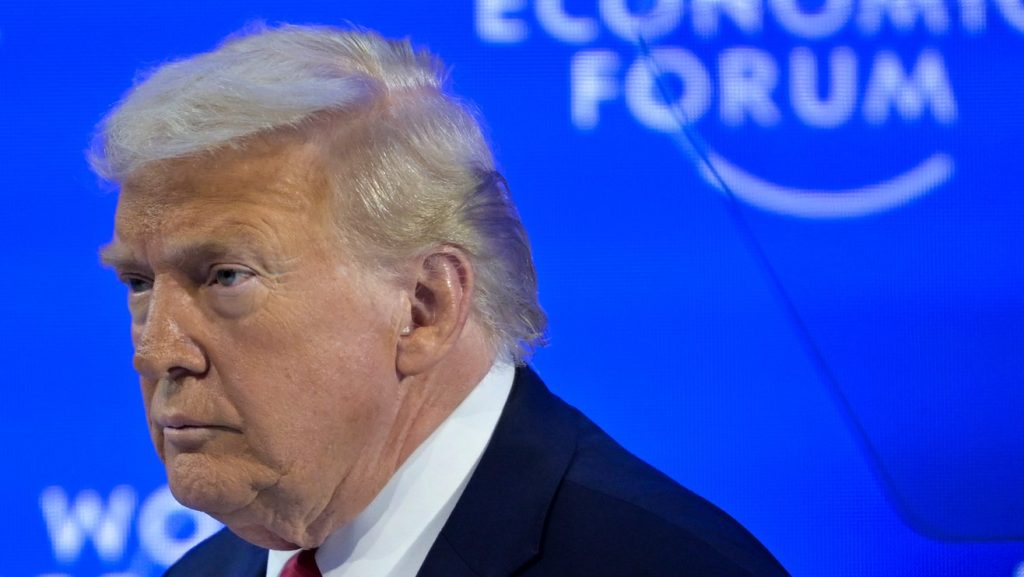
The Epstein Files Transparency Act was signed into law by former President Donald Trump in November. Despite the law requiring the Justice Department to release its files, the judge emphasized that he has no authority to grant the lawmakers' request for an independent monitor to oversee the release of over 2 million documents that are still categorized as investigative materials. This decision follows the Justice Department's insistence that the court does not have jurisdiction in this matter.
Khanna and Massie had expressed concerns that the delayed release of these documents was violating the law, which they argued has contributed to ongoing trauma for survivors of Epstein's abuse. Following a missed deadline of December 19 for full disclosure, the Justice Department clarified that a number of lawyers have been engaged in reviewing these documents to redact sensitive information, including the identities of many victims. To date, only approximately 12,000 documents have been made public from the extensive pool.
Judge Engelmayer acknowledged the "legitimate concerns" raised by Khanna and Massie regarding the Justice Department's compliance with the law. However, he noted that their approach to intervene in Maxwell's case was not legally permissible. He stated that while the lawmakers are entitled to file a lawsuit regarding the department's compliance, their specific intervention in the criminal case of Maxwell cannot be entertained.
Engelmayer inherited Maxwell's case after the trial judge, Alison Nathan, was appointed to the 2nd U.S. Circuit Court of Appeals. He emphasized that he cannot oversee the department's adherence to the new law and that Khanna and Massie lack the legal right to persuasively enter Maxwell's proceedings. Additionally, the judge revealed that he has received supportive correspondence from Epstein abuse survivors advocating for a neutral overseer's appointment, reflecting a widespread concern that the Justice Department may not be adhering to the standards set by the Act.
In responses from survivors, they indicated that the Justice Department has been "paying lip service" to their needs and has failed to provide a level of solicitude that they deserve. This sentiment was echoed in the judge’s ruling, which underscored the significant public and political pressure leading to the passage of the Epstein law, but pointed out that it lacks any explicit mechanisms or penalties for ensuring compliance from the Justice Department.
Maxwell is currently serving a 20-year prison sentence following her conviction for sex trafficking in December 2021. She has recently filed a petition seeking her release, claiming that new information has emerged that warrants reconsideration of her case. A jury found her guilty of assisting Epstein in recruiting girls for abuse and participating in some of the abusive acts over a span of 25 years.
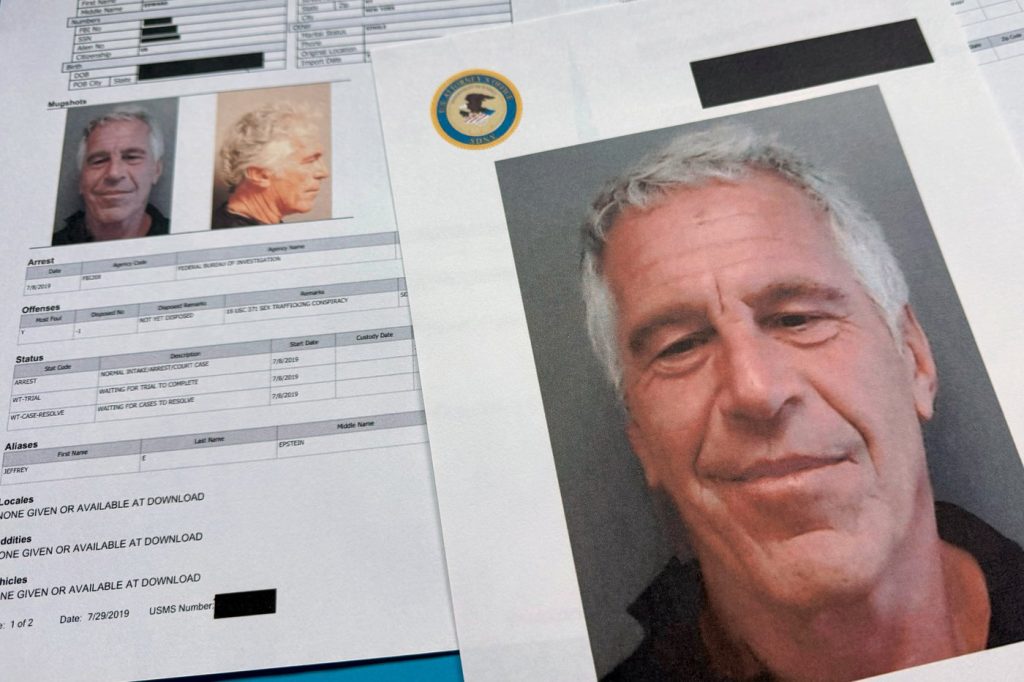
Jeffrey Epstein, the notorious financier, died in a federal jail in New York in August 2019 while awaiting trial on separate sex trafficking charges, with his death concluded to be a suicide. The public interest surrounding the Epstein and Maxwell cases is expected to continue, especially in light of ongoing discussions regarding the transparency of the Justice Department’s disclosures.