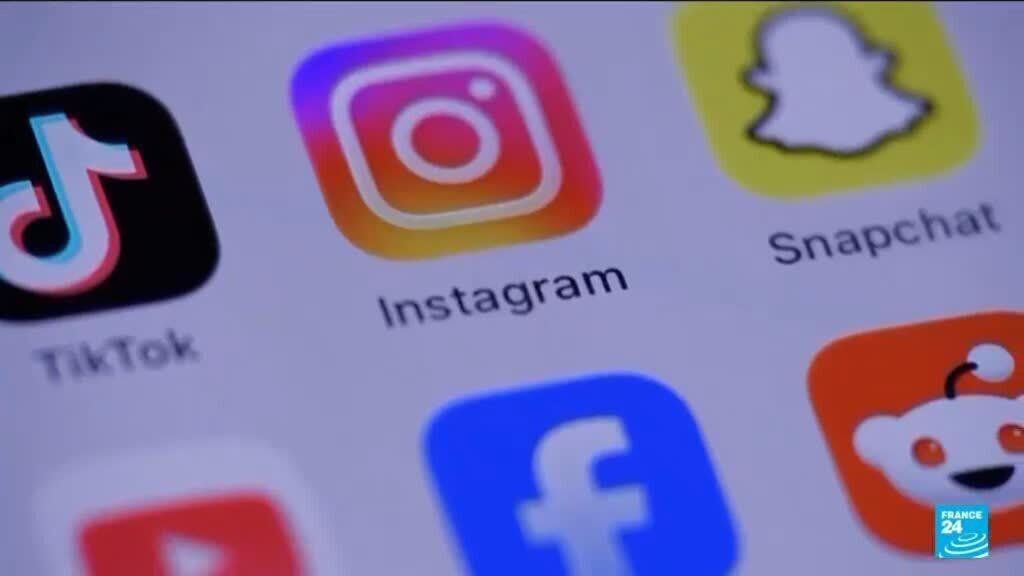
Recent developments in France have seen lawmakers approve a significant piece of legislation aimed at protecting children from the potential harms of social media. The newly passed bill bans the use of social media platforms by children under the age of 15. This legislative move indicates a growing recognition of the risks associated with early exposure to social media and aligns with similar trends gaining traction across Europe.
The proposed measures are set to take effect at the beginning of the next school year in September. This timeline provides a clear framework for schools and parents to prepare for the changes and understand how they may impact the digital lives of children. By introducing a specific minimum age for social media use, the French government aims to create a safer online environment for younger users.
This initiative reflects a broader European concern regarding children's mental health and social development in the digital age. As social media continues to play an increasingly central role in young people's lives, policymakers are recognizing the need to establish protective measures. The legislation is part of a comprehensive approach to safeguard children and adolescents from the potential negative consequences of excessive screen time, cyberbullying, and exposure to inappropriate content.
The decision to set the age limit at 15 years old aligns with existing research indicating that the formative years of childhood and early adolescence are critical for developing social skills and emotional well-being. Supporters of the bill argue that restricting access to social media can help mitigate the risks of mental health issues, such as anxiety and depression, which have been linked to social media usage among young people.
Moreover, the reaction to the bill has been mixed. While child psychologists and educators have applauded the move as a necessary protective step, some parents and technology advocates express concerns over practicality and enforcement. There are questions about how effectively the law can be implemented, especially since many children may already have access to social media platforms through alternative means, such as siblings or friends.
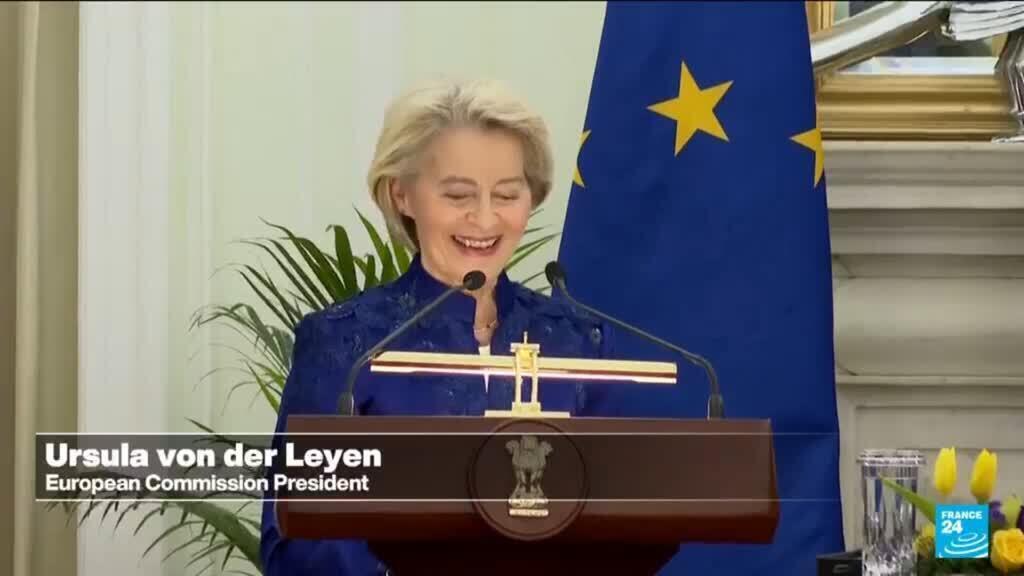
As discussions around the regulation of social media escalate, France’s legislative action may influence other countries in the European Union. The European Commission has also been considering various policies aimed at protecting minors online. The French law could serve as a benchmark or model as other nations evaluate their own approaches to children's online safety.
Ultimately, the approval of this bill marks an important step in addressing the challenges posed by social media connectivity among youth. As France moves forward with this legislation, it will be essential to monitor its impacts and effectiveness in achieving its intended goals of fostering a safer and healthier digital landscape for children.
As the September implementation date approaches, stakeholders, including educators, parents, and tech companies, will need to engage in ongoing dialogues to address concerns, adapt to the new regulations, and ensure that children's needs are adequately met in an increasingly digital world.