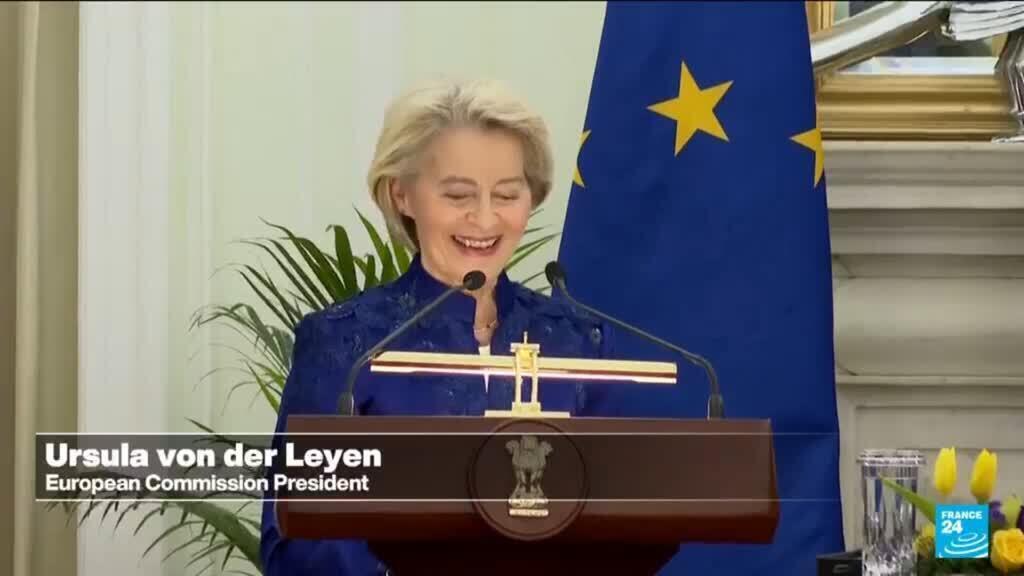
India-EU Trade Agreement Completed After Two Decades of Negotiations
In a significant milestone for international trade, India and the European Union (EU) have officially announced the completion of a comprehensive trade agreement in New Delhi. This landmark pact marks the end of nearly two decades of negotiations aimed at bolstering economic cooperation between India and the EU. Prime Minister Narendra Modi and EU leaders hailed the agreement as the "mother of all deals," reflecting its immense potential to reshape economic relationships between the two regions.
Covering approximately 25% of global gross domestic product (GDP) and one-third of global trade, this agreement opens up a multitude of opportunities for India's 1.4 billion population as well as for millions of citizens within the EU. The breadth and scope of the agreement are expected to generate substantial economic benefits, enhancing trade relations and encouraging investment across various sectors.
The newly established trade pact aims to reduce reliance on the United States and China, positioning India and the EU as more independent players in the global market. This strategic move signifies a "real political shift" for India, according to Navodita Kumari from FRANCE 24, highlighting a growing inclination towards deeper integration with European economies amidst rising uncertainties in global trade dynamics.
The agreement encompasses a wide range of sectors, from goods and services to investment and sustainable development. This multifaceted approach is designed to create a more integrated economic framework that not only facilitates trade but also addresses pressing global challenges, including climate change and sustainability.
By strengthening ties with the EU, India is poised to not only enhance its economic standing but also foster closer diplomatic relations with European nations. This partnership is particularly significant as both regions face shifting economic landscapes and increasing geopolitical tensions, prompting a collaborative approach to navigate future challenges.
As the deal is implemented, businesses on both sides are expected to experience reduced tariffs, increased market access, and improved regulatory frameworks. These factors are likely to stimulate economic growth and innovation, providing a robust platform for businesses and investors in both regions to thrive.
The completion of this trade agreement is not only a pivotal moment for India and the EU but also a clear indicator of the evolving nature of global trade alliances. With this pact, both parties signal their intent to cultivate strong economic ties that reflect a mutual understanding of each other's strengths and opportunities within the global marketplace.
In conclusion, the India-EU trade agreement represents a significant step towards enhancing bilateral relations and promoting economic cooperation. This comprehensive agreement is anticipated to bring transformative gains, not just for the economies involved, but also for global trade dynamics as a whole.