The Limits of Emergency Response in Europe's Wildfire Crisis
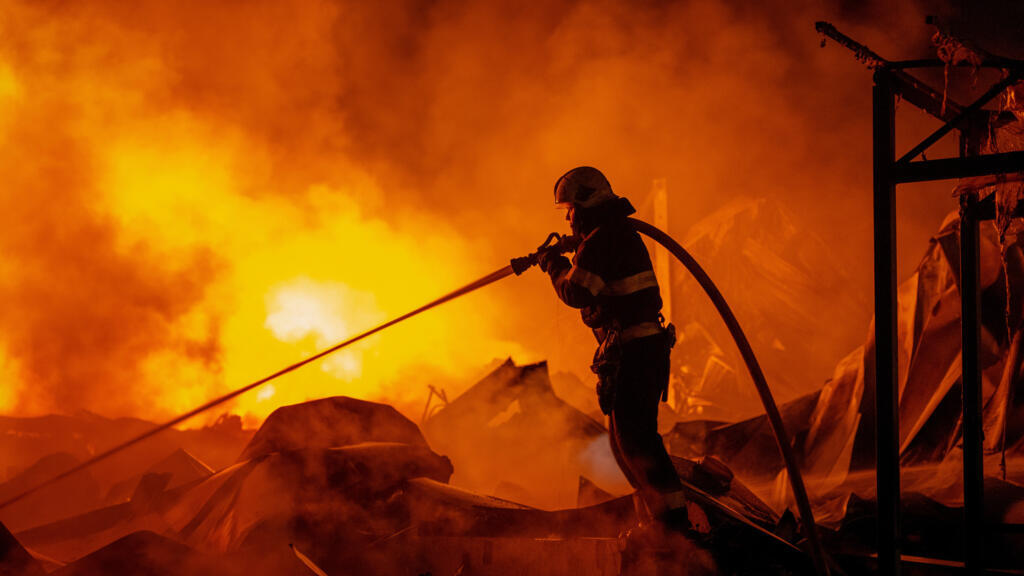
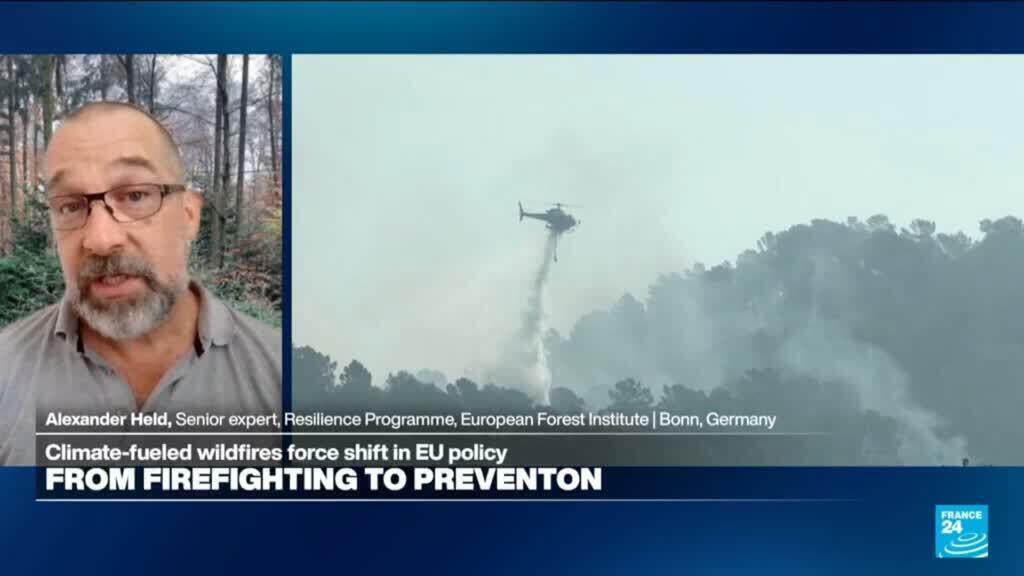
Carys Garland recently engaged in a discussion with Alexander Held, a Senior Expert of the Resilience Programme for Integrated Fire Management. Held highlighted the pressing issue of Europe’s increasing wildfire crisis and its implications for the existing firefighting response model. He asserts that the current approach, centered on emergency suppression, falls short of addressing the root causes of the problem and fails to build long-term resilience against wildfires.
Held remarks that while the European Union (EU) has made significant strides in enhancing its coordination of firefighting efforts, the predominant response remains reactive. Interventions typically occur only after wildfires escalate to uncontrollable levels. This reactive model, he argues, inadequately prepares communities and landscapes for the inevitability of wildfires in an era of climate change.
The crux of Held’s argument is that the challenge posed by wildfires is increasingly one of landscape governance rather than mere firefighting. He outlines how climate change exacerbates conditions conducive to extreme fires, yet he emphasizes that their scale and destructive potential are also influenced by a complex interplay of factors. These include decades of land abandonment, the accumulation of combustible materials, and shifts in agricultural practices. Moreover, political incentives tend to prioritize visible emergency responses over the implementation of less conspicuous yet crucial preventive measures.
One of the critical aspects of the discussion is the notion that effective landscape governance can mitigate the risks associated with wildfires. This involves a comprehensive approach to land management that considers ecological, social, and economic factors. According to Held, integrating these elements can help in reducing fuel loads and managing land use in a sustainable manner that promotes resilience to fires.
Additionally, Held points to the necessity of shifting public perception and policy frameworks to value preventive measures just as much as emergency responses. He argues that investing in preventive strategies—such as controlled burns, reforestation, and sustainable agricultural practices—can significantly reduce the likelihood of catastrophic wildfires. However, he notes that these interventions often receive less attention and funding compared to firefighting efforts, which are more visible and sensational in nature.
The dialogue around resource allocation reveals a disconnect in how wildfires are approached at the policy level. As climate conditions worsen, the traditional focus on suppression may no longer suffice. Held calls for a reevaluation of priorities within the EU's firefighting strategy—one that emphasizes proactive planning and landscape resilience to address the multifaceted causes of wildfires.
In conclusion, Alexander Held’s insights present a compelling case for the need to transform how Europe manages wildfire risks. With climate change presenting increasingly harsh realities, the emphasis must shift from just extinguishing fires to preventing them through informed landscape governance and sustainable practices. As the discourse continues, the challenge lies not only in adapting to climate changes but also in rethinking policy frameworks to encompass a more holistic view of wildfire management.