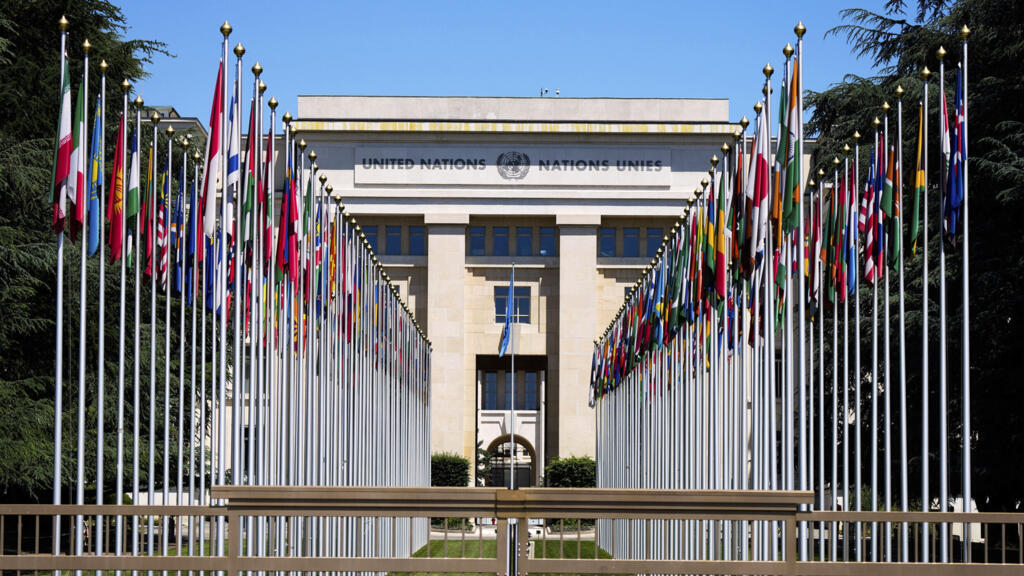
The United Nations has raised concerns regarding a potential cash shortfall, as it is still awaiting confirmation from the Trump administration regarding the payment of nearly $4 billion owed by the United States. The situation highlights the organization's financial vulnerability and the crucial role that contributions from member states play in its operations.
As of now, the UN is uncertain about the exact amount that the Trump administration plans to pay and the timeline for when these funds will be transferred. The delay in payment has created an atmosphere of uncertainty, prompting officials at the UN to issue warnings about the implications of a potential funding shortfall by mid-year.
The anticipated $4 billion contribution from the United States is a significant portion of the UN's overall budget. Given that the organization relies heavily on member state financing to carry out various initiatives and programs worldwide, a shortfall could severely impact its ability to fulfill its commitments. The funds are crucial for a range of activities, from humanitarian aid to peacekeeping missions, which are vital to maintaining stability in various regions.
The situation has raised alarms among UN officials, who have called on the Trump administration to provide clarity on its funding intentions. Specifically, they seek assurance regarding not only the total amount to be paid but also the expected timeline for these payments. Without timely funding, the UN could struggle to manage its financial obligations, potentially leading to a disruption in its operations.
In light of these developments, the UN is actively monitoring the situation and preparing for potential outcomes. The organization understands the importance of maintaining open lines of communication with the U.S. government, as it navigates the complexities of international diplomacy and funding challenges.
The implications of the U.S. contribution extend beyond just financial aspects; they are also tied to the geopolitical landscape and the role of the United States within the UN framework. As one of the largest contributors to the organization, the U.S. plays a pivotal role in determining the effectiveness of UN operations and the overall success of its mission to promote peace, security, and development across the globe.
As the mid-year deadline approaches, the UN is hopeful for a resolution that ensures the continuity of its functions. The organization emphasizes the need for stability in funding to avoid any adverse effects on its global projects and initiatives aimed at combating pressing issues such as poverty, climate change, and conflict resolution.
In conclusion, the ongoing uncertainty regarding the payment of billions owed by the United States underscores the delicate balance of the UN's financial health and operational capacity. The organization remains committed to collaborating with member states, particularly the U.S., to secure the necessary funding and sustain its vital programs worldwide.
```