The recent opening of Line 5 Eglinton has sparked significant excitement among riders, as it marks a major development in Toronto's public transit system after nearly 15 years of construction. However, this new line has also raised serious accessibility concerns at multiple stations along the Eglinton Crosstown LRT corridor, which advocates for persons with disabilities have been quick to highlight.
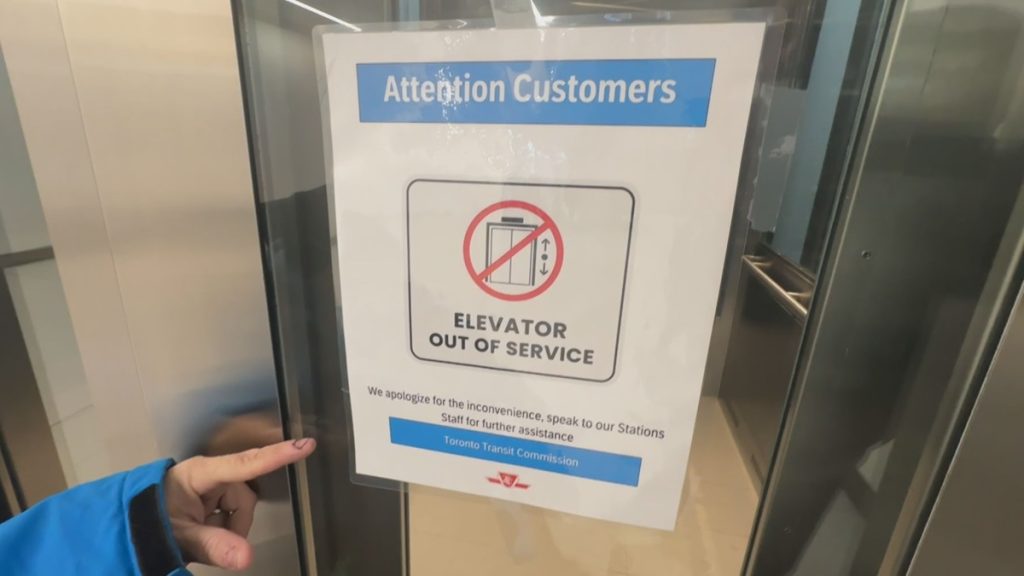
Em Daigle, a long-time advocate for individuals with disabilities residing near Mount Dennis station, expressed that the line is a "game-changer" that reduces the need for transfers and local buses, granting increased freedom of mobility. Nonetheless, during a recent tour of Mount Dennis station, Daigle pointed out significant accessibility challenges, the most critical being the temporary outage of an elevator connecting the bus terminal to GO and UP Express platforms, as well as Line 5 trains.
According to Daigle, the elevator, a brand new installation, had already been out of service for a week at the time of the tour, making the alternate route both lengthy and perilous. The unplanned workaround involved navigating back to the main concourse, with access routes obstructed by a snow-clearing crew, further complicating the journey for those using wheelchairs or with mobility impairments.
During the tour, Daigle elaborated on the risks involved in the workaround, stating, "I had to fight buses and I’m legally deaf-blind… I’m risking my life just to get on a bus." While she acknowledged the support from many TTC bus operators, she insisted that the overall conditions remain unsafe and inadequate. Additional issues raised included questionable elevator designs, lack of signage and accessible maps, insufficient seating, malfunctioning accessible Presto fare gates, and poorly marked areas with stairs and glass.
In contrast to the challenges, Daigle praised the electronic signs in the waiting area at the former Kodak Building 9 for their clear and large print, advocating for similar updates throughout the station. "Stop passing the buck. Get it fixed, get it done. It affects people’s daily lives. It puts people’s lives in danger," she declared, underscoring the urgency for improvements.
CityNews reached out to Metrolinx and the TTC regarding these concerns, including the elevator outages at Mount Dennis and other stations. As of Tuesday evening, responses from Metrolinx remained unanswered, while no reply had been received from the TTC. Metrolinx did issue a brief statement asserting that all Line 5 stations are designed to comply with provincial accessibility legislation.
Issues extend beyond Mount Dennis. At Don Valley station, where the sole elevator connecting the bus terminal to the Line 5 trains has been obstructed since its opening, rider Jason Ash expressed frustration. He noted the lack of communication about the elevator's status on the transit website, voicing concerns that the diversion route is inconvenient even for able-bodied individuals. Ash stressed the necessity for a barrier-free system, particularly for those who depend on elevators for access.
The signage around Don Valley station directs riders on a convoluted detour to reach the main concourse, including navigating through snow and ice conditions. When questioned about the elevator outage, Metrolinx officials did not provide a timeline for resolving the issue, leading to further discontent among riders.
Amidst ongoing construction of the Ontario Line at Don Valley Station, Metrolinx stated their commitment to working closely with the TTC to maintain safe and convenient access for passengers. However, Ash urged Metrolinx to reassess the design plans for the Ontario Line to facilitate the timely reopening of the elevator and improve accessibility for all riders.
Daigle's ongoing efforts to combat accessibility issues in Toronto highlight the persistent need for advocacy in the face of bureaucratic delays. While she finds motivation in the support from the community, she expressed exhaustion from the continuous battle for accessibility, emphasizing, "Accessibility should never be an afterthought. People with disabilities are not an afterthought." The need for improvement in transit accessibility is imperative as Toronto welcomes new public transit developments.