FRANCE 24 reports on the four-year anniversary of the full-scale war in Ukraine, marking a significant and troubling milestone in European history. The conflict, which began with Russia's invasion on February 24, 2022, has redefined geopolitics, affecting nations far beyond Ukraine's borders.
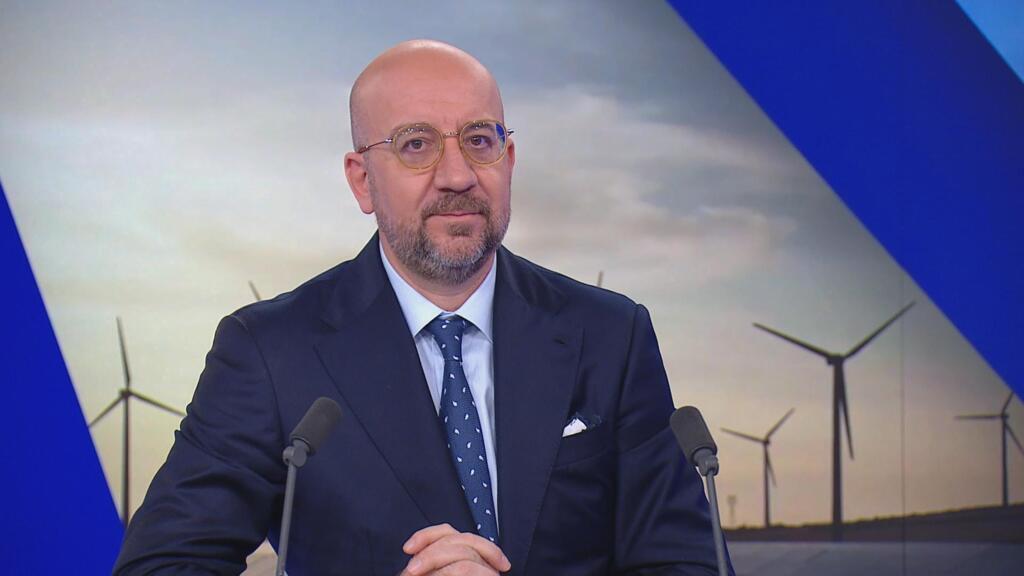
To provide insight into the ongoing situation, Talking Europe invites Charles Michel, the former president of the EU Council, who was in office during the onset of this crisis. His tenure saw the European Union grapple with the immediate and long-term implications of the war, as it forced EU member states to rethink their security policies and diplomatic strategies. Michael's perspective sheds light on how the EU has evolved in response to the conflict and its commitment to supporting Ukraine in various capacities.
In conjunction with this discussion, the report includes a special feature titled "Ukraine: Europe on the Front Line." Reported by **Mélina Huet**, this segment delves into the extensive and multidimensional support that the European Union has provided to Ukraine over the past four years. This support encompasses military aid, humanitarian assistance, economic sanctions against Russia, and diplomatic efforts to resolve the conflict.
Since the beginning of the war, the EU has faced profound challenges in addressing the humanitarian crisis resulting from the invasion. Millions of Ukrainians have been displaced, and the international community has witnessed severe human rights violations. EU nations have opened their borders and provide asylum to those fleeing violence and persecution. Additionally, humanitarian organizations within Europe have mobilized to provide essential support to both displaced populations and those remaining in Ukraine.
In terms of military assistance, the European Union has taken unprecedented steps to support Ukraine's defense capabilities against Russian aggression. This includes financial aid for military equipment, training programs for Ukrainian soldiers, and joint operations with NATO partners. The EU's commitment to Ukraine's sovereignty and territorial integrity has also been a focal point of diplomatic efforts aimed at rallying international support against the invasion.
Moreover, sanctions imposed by the EU on Russia have significantly impacted its economy, aimed at crippling the financial resources that fuel the war. These measures represent a collective stance among member states, illustrating the EU's unified approach in responding to aggression within Europe. Charles Michel's insights are essential for understanding the intricacies involved in crafting these policies and the ongoing debates within the EU regarding the balance of support and the risk of escalation.
As the war enters its fifth year, the situation in Ukraine continues to evolve, and the consequences are felt across the continent. European countries are faced with the challenge of balancing national security interests with humanitarian obligations. The dialogue initiated by leaders like Charles Michel is crucial in ensuring that the EU remains resilient and united in its response to the crisis.
This comprehensive coverage underscores the importance of international solidarity as the EU continues to advocate for peace and stability in Ukraine and the wider region. The ongoing conflict serves as a poignant reminder of the fragility of peace and the need for vigilant diplomatic engagement to safeguard democratic values and human rights in Europe.