In the quiet moments when her children are not around, Olga immerses herself in the ongoing news about the war in Ukraine. A Russian mother residing in self-imposed exile in France, she feels a deep responsibility to confront the grim reality of conflict that has gripped her homeland for four years. Olga finds herself compelled to view photographs of the Ukrainians who have lost their lives due to the aggressive actions of her country. This painful process of remembering the faces of every child killed in the war weighs heavily on her heart.
Despite her own concerns for the well-being of her family and friends, Olga bravely seeks out stories and images that shed light on the devastation inflicted upon Ukrainian civilians. This endeavor is not merely for her own understanding; it represents her commitment to acknowledge and honor the lives lost in this brutal war. Each haunting photograph serves as a reminder of the innocent victims of the ongoing violence, and she strives to memorize the faces, particularly those of children, whose futures have been stolen away.
However, speaking out about the war has proven to be a double-edged sword for Olga. While she feels it is essential to voice her solidarity with Ukraine, her outspoken nature has cost her dearly. Many of her friends back in Russia have distanced themselves from her, unable or unwilling to accept her stance on the conflict. This loss has left Olga feeling isolated and cautious, fostering a deep sense of wariness toward new acquaintances. Each new Russian person she meets carries the weight of her experiences and fears, leading her to approach them with mistrust and skepticism.
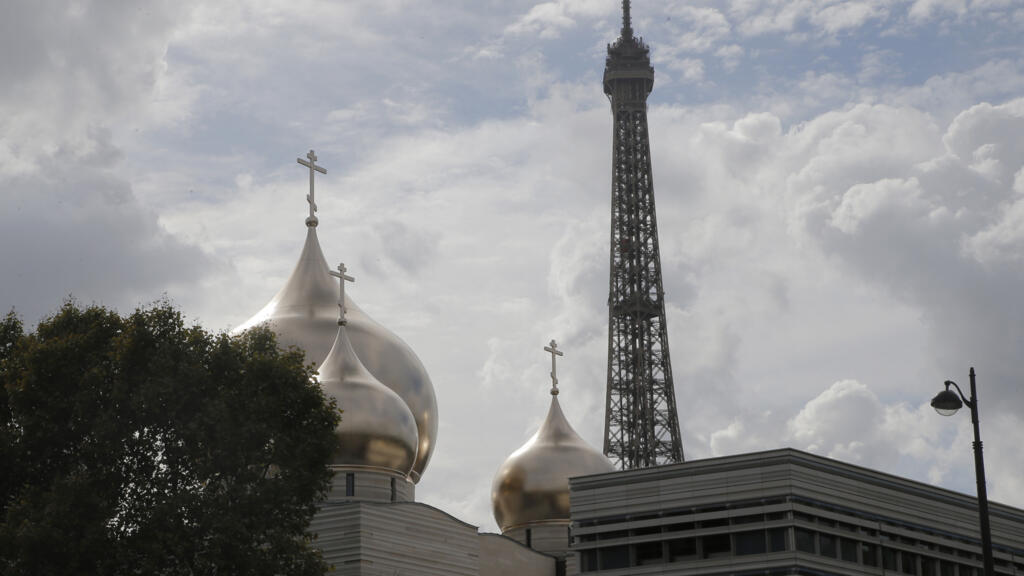
Living in France, Olga grapples with the complexities of her identity. She is caught between her Russian heritage and her empathy for the suffering of Ukrainians. The emotional toll of this internal conflict is exacerbated by the difficult atmosphere created by the war. While wandering the streets of her new home, she often reflects on the vast differences between the people in her current surroundings and the turmoil she has left behind. This juxtaposition intensifies her feelings of guilt and regret, as she is reminded of the tragic fate of those affected by the ongoing conflict.
Olga’s experience symbolizes a broader struggle faced by many individuals caught in the throes of national conflict. The difficulty of reconciling personal beliefs with cultural identity can lead to immense emotional strain. For Olga, the war in Ukraine is not just a distant news story; it is a tragic reality that has reshaped her life and the lives of countless others. Her dedication to remembering the victims, especially children, illustrates her commitment to fostering understanding and compassion in a fractured world.
In summary, Olga's narrative highlights the profound impact of war on individuals, families, and communities. Her resilience in the face of adversity and her unwillingness to turn a blind eye to the suffering around her speaks volumes about the human capacity for empathy, even amidst personal pain and loss. Through her actions and determination, Olga seeks to ensure that the memories of the innocent are not buried by the sands of time, but rather celebrated and honored for the lives they once were.
```